Samsung’s upcoming augmented reality glasses are poised to make a significant impact in 2026, not just through their technical specifications but also through a bold design philosophy that challenges industry norms. Weighing just 50 grams, these glasses will be powered by the Snapdragon AR1 system-on-chip and will notably lack a built-in display in their initial launch variant. This approach hints at a strategic emphasis on performance-per-watt efficiency and thermal management, crucial factors for content creators who demand both portability and high-performance computing.
The absence of a display in the first iteration is a deliberate choice that could reshape how AR glasses are used in professional settings. Early renders suggest that Samsung may rely on external projection or cloud-based rendering to deliver augmented content, which could offer new ways for creators to interact with their environment without the bulk of traditional displays. The Snapdragon AR1 chip, known for its efficiency, is likely designed to optimize battery life and thermal performance, addressing key pain points in prolonged creative workflows.
Performance and Thermal Management: A Balancing Act
The 50-gram frame represents a significant achievement in materials engineering, but the real innovation lies in how Samsung manages the Snapdragon AR1’s performance within such a lightweight structure. Thermal dissipation becomes a critical challenge, as sustained use could lead to overheating if not carefully managed. Early designs imply a focus on heat pathways and component miniaturization, which could influence how creators interact with augmented content—whether through gestures, voice commands, or spatial tracking.
Key Specifications
- Weight: 50 grams (frame only)
- Chipset: Snapdragon AR1
- Display: None in initial variant (external projection/cloud rendering implied)
- Target Launch: 2026
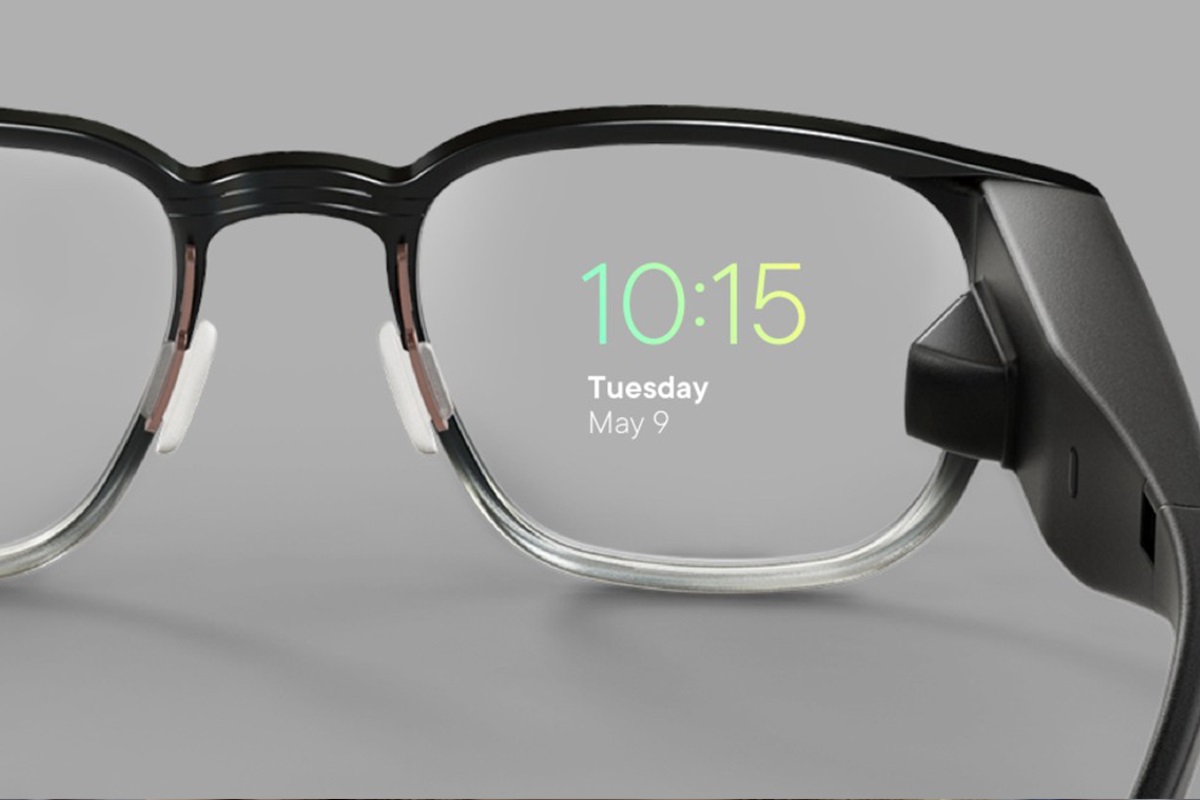
The lack of a display in the first version is likely a strategic move to reduce weight and power consumption, but it also introduces questions about usability. Creators accustomed to on-glass heads-up displays (HUDs) may find this variant more suited for ambient awareness than immersive editing tasks. Whether Samsung plans to introduce a built-in display in future iterations or continues to rely on external solutions remains an open question.
Market Positioning and Creator Impact
This design approach positions Samsung’s glasses as a competitor to other lightweight AR systems, but it also introduces tradeoffs that could influence market adoption. The focus on performance-per-watt efficiency is a significant advantage for battery life, which is crucial for extended use. However, the absence of an integrated display could limit real-time feedback, a critical requirement for tasks like video editing or 3D modeling.
For creators, the implications are substantial. A lighter weight means longer wear sessions with reduced fatigue, but the lack of an on-glass screen may require adaptation to external tools and workflows. If Samsung can demonstrate that cloud-based or projected solutions offer comparable productivity, this could set a new standard for AR wearables in professional environments.
What’s Next for Samsung’s AR Vision
- Confirmed: 50-gram frame, Snapdragon AR1 chip, no display in the 2026 launch variant.
- Unconfirmed: Whether future versions will include a built-in display or continue to rely on external solutions. The approach to thermal throttling at scale also remains unclear.
The debut of these glasses in 2026 will be closely watched, not only for their technical specifications but for how they integrate into creative workflows. If Samsung can successfully address the display challenge without compromising portability, this could mark a turning point for AR technology in professional content creation. The balance between performance, weight, and usability will determine whether these glasses become a staple in studios or remain a niche product for early adopters.