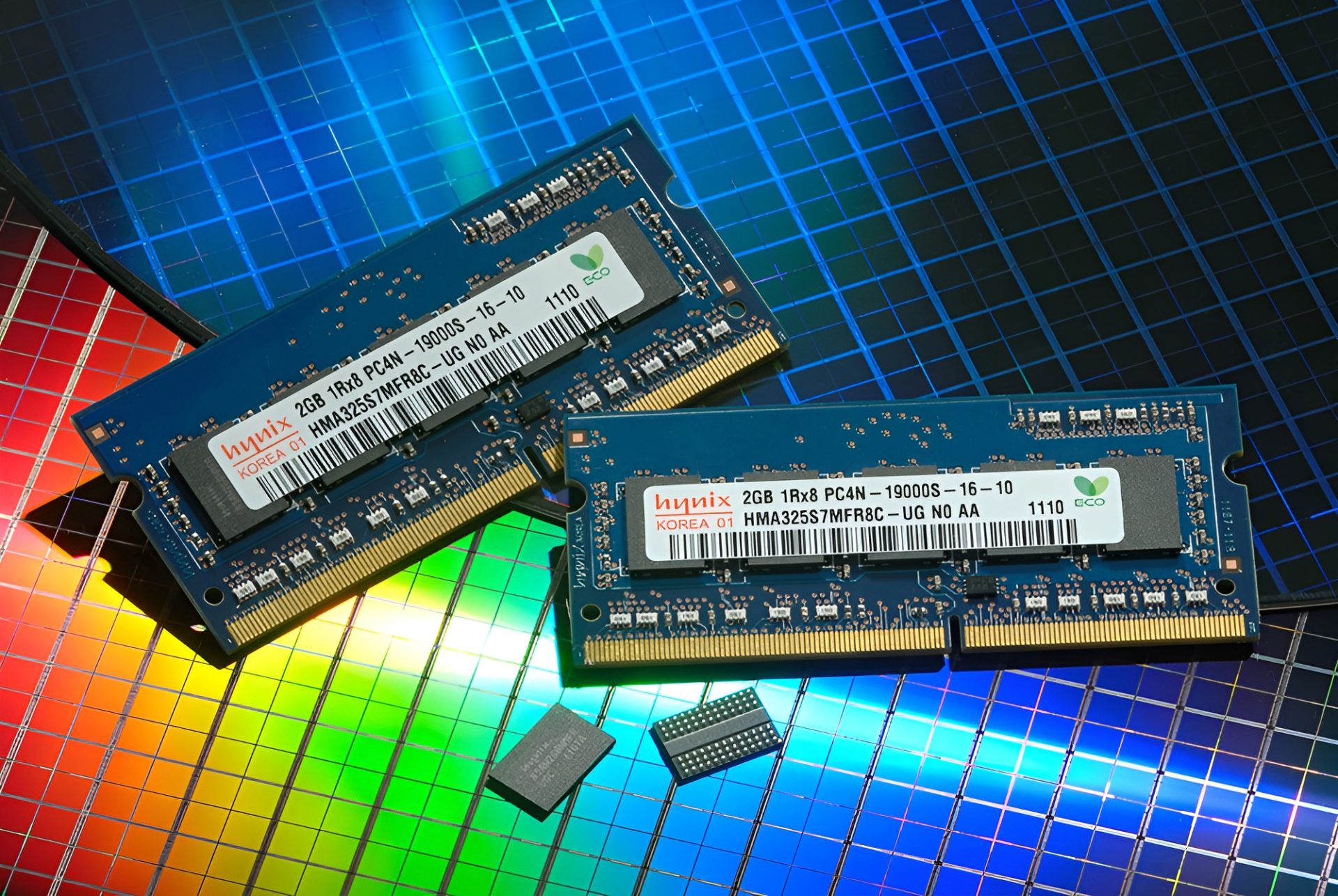
SK Hynix finds itself at the center of a high-stakes game in the memory market, where customer demand is far outpacing supply. Multiple reports indicate that potential buyers are offering significant cash incentives to secure additional production capacity, but insiders suggest the company's available output is effectively exhausted.
The situation reflects broader tensions in the semiconductor industry, where memory chips remain a critical bottleneck for PC builders and system manufacturers. While SK Hynix has not publicly commented on the offers, the pressure to meet demand is palpable. The company's position as a major player in the DRAM market—alongside competitors like Samsung and Micron—means its production decisions ripple through the entire ecosystem.
One key factor complicating the situation is the timing of these cash offers. Traditionally, memory prices have been volatile, but recent trends suggest a stabilization that could make long-term contracts more appealing for both SK Hynix and its customers. However, the immediate challenge remains securing enough inventory to meet current orders without causing further disruptions in supply chains.
What Builders Need to Know
The implications for PC builders are significant. With memory chips being a foundational component, shortages or price fluctuations can delay projects and increase costs. While SK Hynix has not confirmed any changes to its pricing strategy, industry watchers expect that the cash offers will translate into higher costs for end consumers if supply constraints persist.
Looking ahead, the question is whether SK Hynix can ramp up production fast enough to meet the surge in demand. If the company remains constrained by capacity, the memory market could see prolonged instability, affecting everything from gaming PCs to data center infrastructure. For now, builders should brace for potential supply challenges and monitor price movements closely.