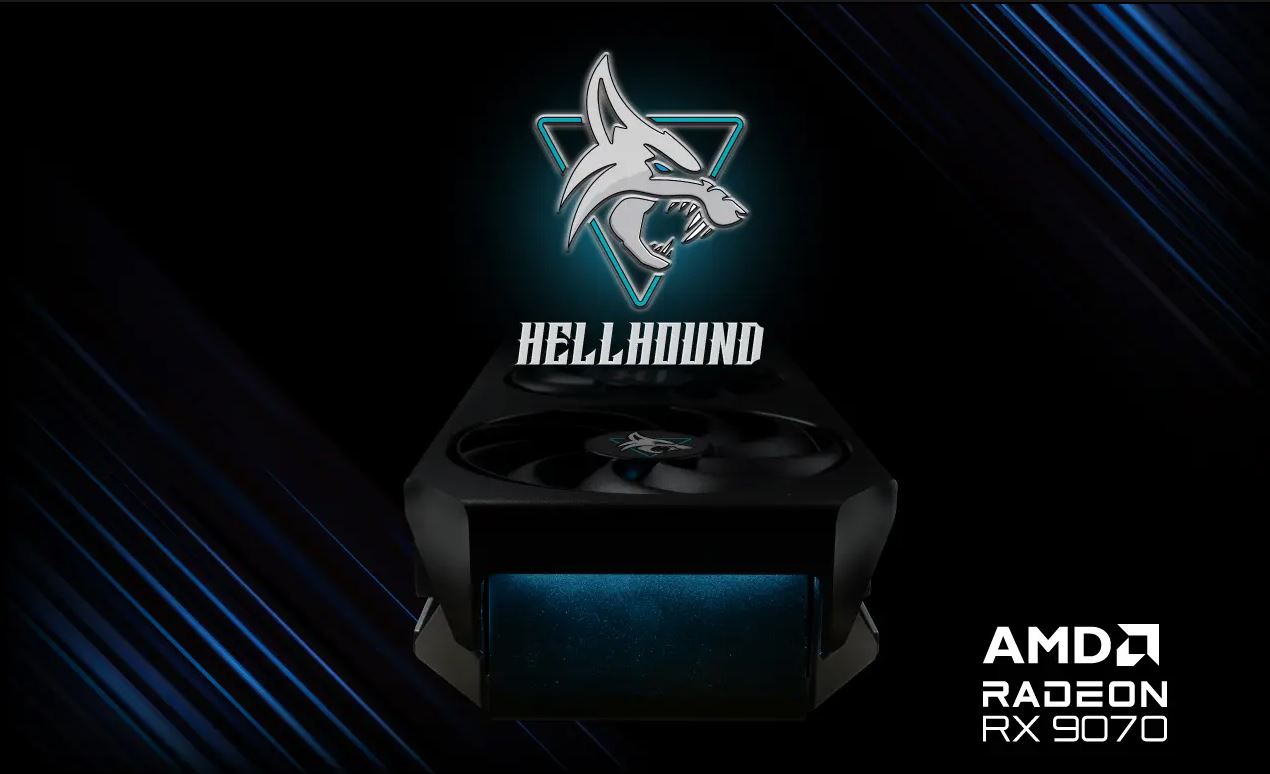
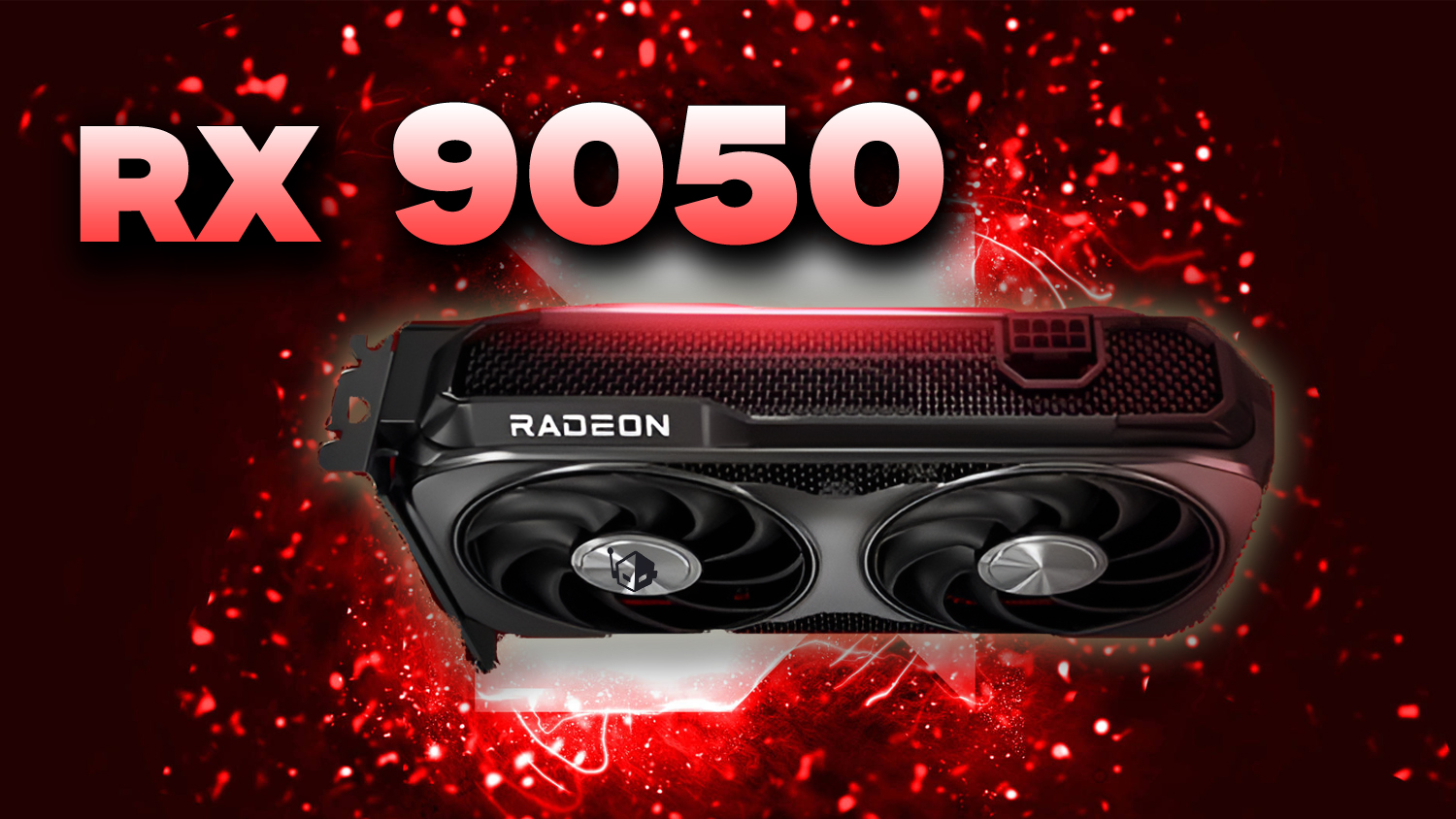
AMD’s Radeon RX 9050 lands with a familiar shader count—2,048—but the rest of its specs tell a different story.
The card carries only 8 GB of VRAM, a fraction compared to its peers, and runs at lower clock speeds, which could make it a niche player in AI workloads. The question is whether this tradeoff will limit its appeal or carve out a specific role in the market.
Key specs
- Shaders: 2,048
- VRAM: 8 GB GDDR6
- Memory bus: 192-bit
- Clock speeds (estimated): Base: ~1.5 GHz, Boost: ~2.0 GHz
The VRAM is the biggest sticking point. For AI workloads, even mid-range tasks often demand more capacity than 8 GB can reliably handle without constant swapping. The memory bus width—192-bit—is also narrower than competitors, which could further bottleneck performance.
Why it matters
The RX 9050 isn’t designed for high-end AI training or heavy rendering; its target appears to be more modest data workloads where raw shader power is needed but memory constraints are less critical. However, in a market where GPU availability remains tight and prices are volatile, this card may struggle to find traction unless AMD positions it as an entry-level option with clear upgrade paths.
What’s next
The biggest unknown is how the RX 9050 will perform against NVIDIA’s offerings. While AMD has historically focused on raw shader counts, the memory limitations here could make it a non-starter for AI workloads that rely on larger datasets. If supply chains remain strained, this card might sit in limbo—neither powerful enough to compete at the top nor cost-effective enough to dominate the low end.