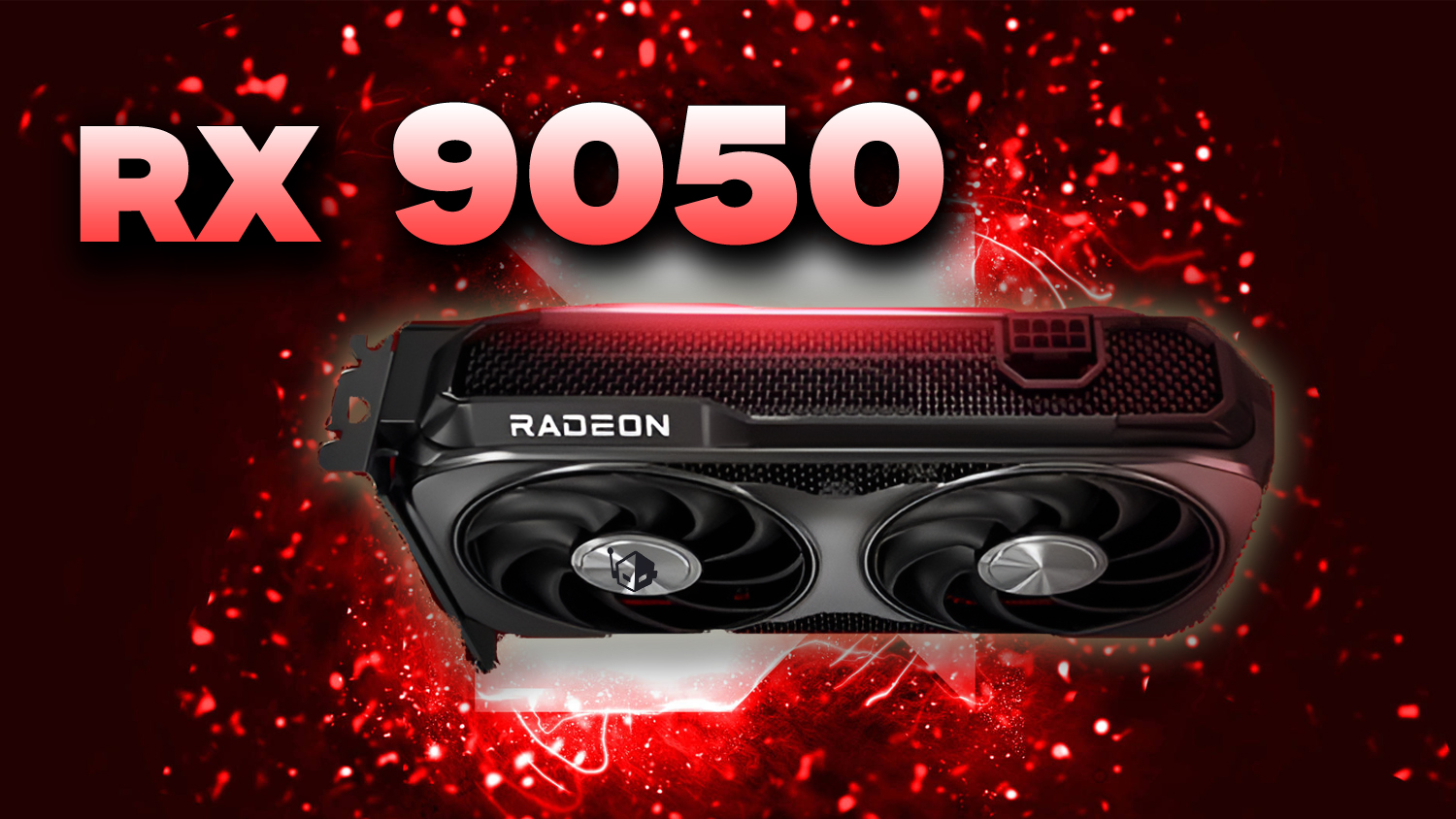
In an industry where graphics cards often follow a rigid cost-performance curve, AMD’s Radeon RX 9070 is carving out its own path. Priced below $600, it stands out as an anomaly in a landscape where GPUs for professional and AI workloads are usually reserved for deep pockets. But does this price point translate into practical advantages, or is it merely a fleeting moment of affordability?
The RX 9070’s architecture, built on RDNA 3 with 24 compute units and 16GB GDDR6 memory, suggests a focus beyond traditional gaming. For AI tasks—where memory bandwidth and processing efficiency are critical—the 384-bit bus delivering 29.7 GB/s could be a game-changer. However, the GPU’s real-world performance will hinge on how well it balances raw power with the practical demands of latency-sensitive workloads.
- Key specifications:
- RDNA 3 architecture, 24 compute units
- 16GB GDDR6 memory, 384-bit bus, 29.7 GB/s bandwidth
- Base clock: 2.0 GHz, Boost clock: up to 2.5 GHz (model-dependent)
- TDP: 261W, requiring robust cooling for sustained workloads
- Connectivity: HDMI 2.1, DisplayPort 2.1, USB Type-C (DisplayPort alt mode), PCIe 4.0
- Price: Below $600 (varies by region)
The 16GB GDDR6 memory is particularly noteworthy for AI workloads, where larger datasets and complex processing demand more than just raw compute power. But the question remains: Can this GPU deliver consistent performance without locking users into AMD’s ecosystem? While the price is undeniably attractive, potential buyers will need to evaluate whether the trade-offs—such as software compatibility or long-term flexibility—are worth the savings.
For now, the RX 9070’s sub-$600 pricing is a notable deviation from industry norms. Whether it becomes a staple in AI and data workloads depends on AMD’s ability to address performance consistency and ecosystem concerns. If successful, this GPU could redefine what users expect from high-performance computing without breaking the bank.