The prospect of an Intel SoC with built-in NVIDIA RTX graphics isn’t just about convenience—it’s about unlocking new levels of control over hardware behavior. Traditional gaming setups often force a choice between discrete GPUs for raw performance or integrated solutions for portability, but this integration could blur those lines entirely.
The key advantage lies in the ability to fine-tune CPU-GPU interactions at a granular level. Instead of relying on PCIe as the bottleneck between components, future Intel designs—likely codenamed 'Serpent Lake'—could feature NVIDIA’s GPU cores integrated into the same package, allowing for direct memory access and reduced latency. This isn’t just about raw speed; it’s about enabling power users to tweak settings like ray tracing quality or AI upscaling without worrying about thermal throttling or bandwidth constraints.
Advanced Features and Customization
- Direct integration of NVIDIA RTX GPUs into Intel SoCs, eliminating PCIe latency and enabling real-time hardware adjustments for features like DLSS or ray tracing.
- Potential for lower-power variants optimized for AI workloads, with custom x86 Xeon processors supporting NVLink for large-scale computing.
- Thermal management improvements, as the combined CPU-GPU package could distribute heat more efficiently than discrete setups.
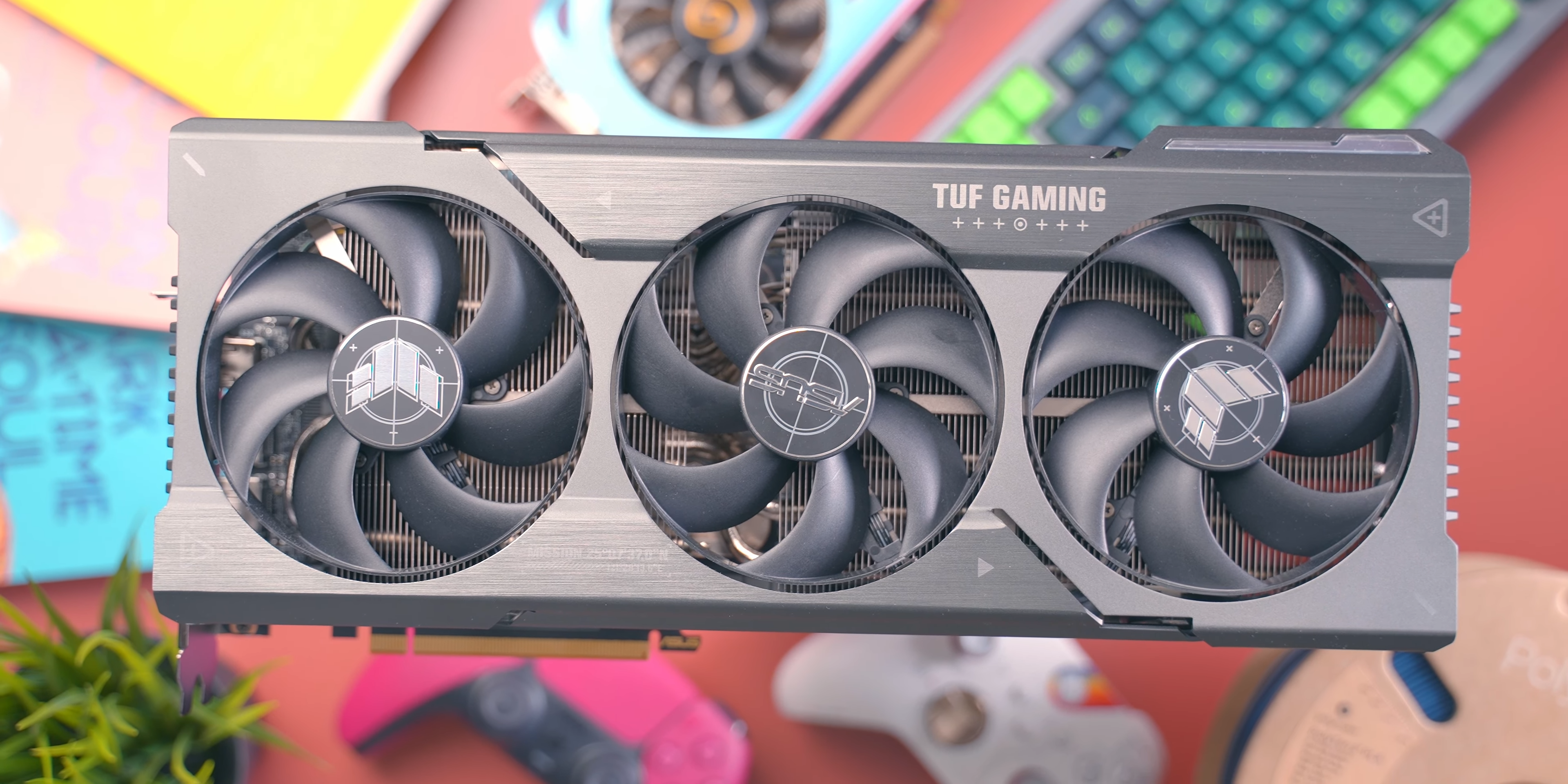
However, this integration isn’t without its tradeoffs. NVIDIA’s RTX 5090, already a high-end card with a rumored price near $5,000 due to AI demand, may not scale down easily for integrated solutions. Power users accustomed to discrete GPUs might find that performance per watt doesn’t match standalone cards, especially in scenarios requiring maximum FPS or resolution scaling.

Server and AI: The Proving Ground
The collaboration has already made strides in server and AI domains, where customized Intel Xeon processors—such as 'Clearwater Forest' and the upcoming 'Diamond Rapids'—are being optimized for NVIDIA’s accelerators. These chips feature advanced chiplet designs with up to 288 Darkmont E-cores or 192 P-cores, all tailored for AI training and NVLink compatibility.
If this level of optimization translates to consumer hardware, gamers could see significant improvements in efficiency—but whether it justifies the cost remains an open question. The RTX 5090’s price suggests that even integrated solutions may not be accessible for mainstream users, leaving power users to decide if the convenience outweighs the potential performance gap.
Looking Ahead
The timeline for consumer products is still unclear, but the collaboration appears to be accelerating. With NVIDIA’s Rubin-based RTX 60-series GPUs on the horizon, the stage is set for a new era of integrated graphics—one that could redefine how power users approach hardware selection.
For now, enthusiasts should keep an eye on developments around 'Serpent Lake' and any announcements from NVIDIA. If this integration succeeds, it could set a new standard for efficiency—but if not, it may become another chapter in the complex history of hardware partnerships.