The rush to adopt DDR5 memory has created a critical vulnerability in the market: counterfeit modules are increasingly appearing alongside legitimate products, capitalizing on the current shortage. While genuine DDR5 components adhere to strict JEDEC standards, ensuring performance and longevity, unauthorized sellers are introducing uncertified chips that may fail prematurely or behave unpredictably under load.
- Counterfeit DDR5 modules are entering retail channels through unauthorized distribution networks.
- Fake components often lack proper certification, risking system instability and data corruption.
- DDR5’s stricter power management requirements make it more susceptible to counterfeiting than its predecessor.
- Industry experts urge buyers to verify module authenticity to avoid long-term hardware risks.
The DDR5 transition was already in motion, driven by the need for higher bandwidth and efficiency. However, the current shortage—exacerbated by production delays and surging demand—has opened gaps that bad actors are exploiting. Unlike DDR4, which had more lenient power specifications, DDR5’s tighter requirements mean counterfeit chips can overheat or draw excessive current, potentially damaging motherboards or other components.
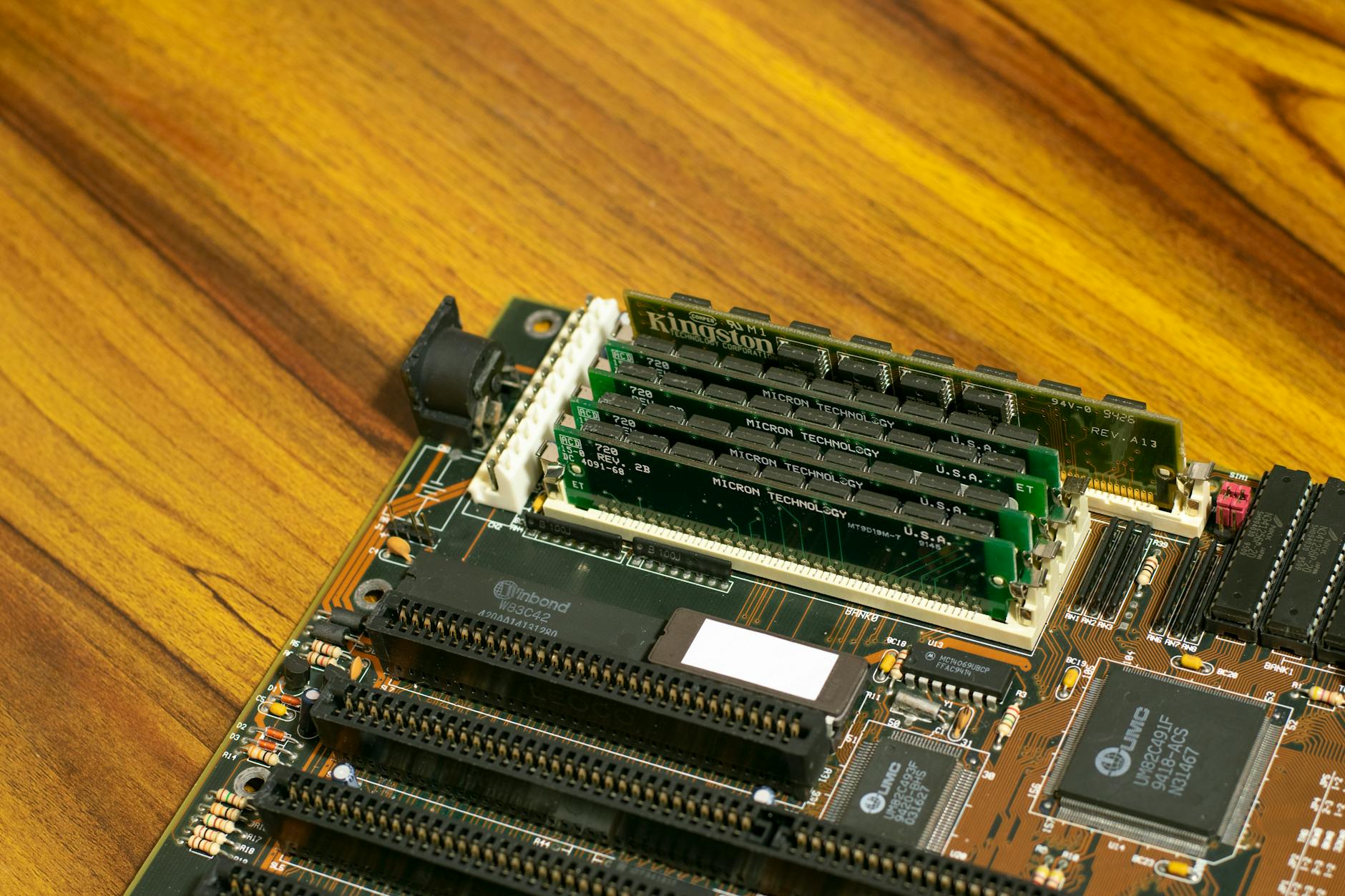
For end-users, the consequences extend beyond immediate performance issues. Faulty DDR5 modules could lead to data corruption in high-stakes environments like servers or workstations, where memory reliability is critical. The industry is responding with calls for stronger authentication standards and supply chain transparency, but buyers remain responsible for verifying module sources to mitigate risks.
The rise of counterfeit DDR5 highlights a broader challenge: as technology evolves, so do the tactics of unauthorized manufacturers. Without stricter oversight, the problem could worsen, leaving consumers and businesses exposed to unreliable hardware in an already constrained market.