AMD’s latest desktop CPU rumors have taken an unexpected turn. While Zen 6 remains on track for late 2024, a newly surfaced internal listing reveals the **Ryzen 9 9950X3D2**, a dual-CCD variant of the existing Ryzen 9 9950X3D—one that stacks **192MB of 3D V-Cache** across both core complex dies. But here’s the catch: this isn’t a gaming powerhouse. It’s a technical curiosity with a price tag that may deter all but the most specialized buyers.
The 9950X3D2 isn’t just a tweaked version of the 9950X3D. While its predecessor crams **96MB of L3 cache** beneath a single CCD, this new model splits that cache evenly across **both CCDs**, doubling the total to **192MB**. On paper, that’s a staggering amount of on-die memory—far beyond what even high-end gaming CPUs need. But AMD has already acknowledged the limitations: in conversations with industry analysts, the company confirmed that **gaming performance gains from a second CCD with 3D V-Cache are minimal** compared to the jump from 32MB to 96MB on a single CCD.
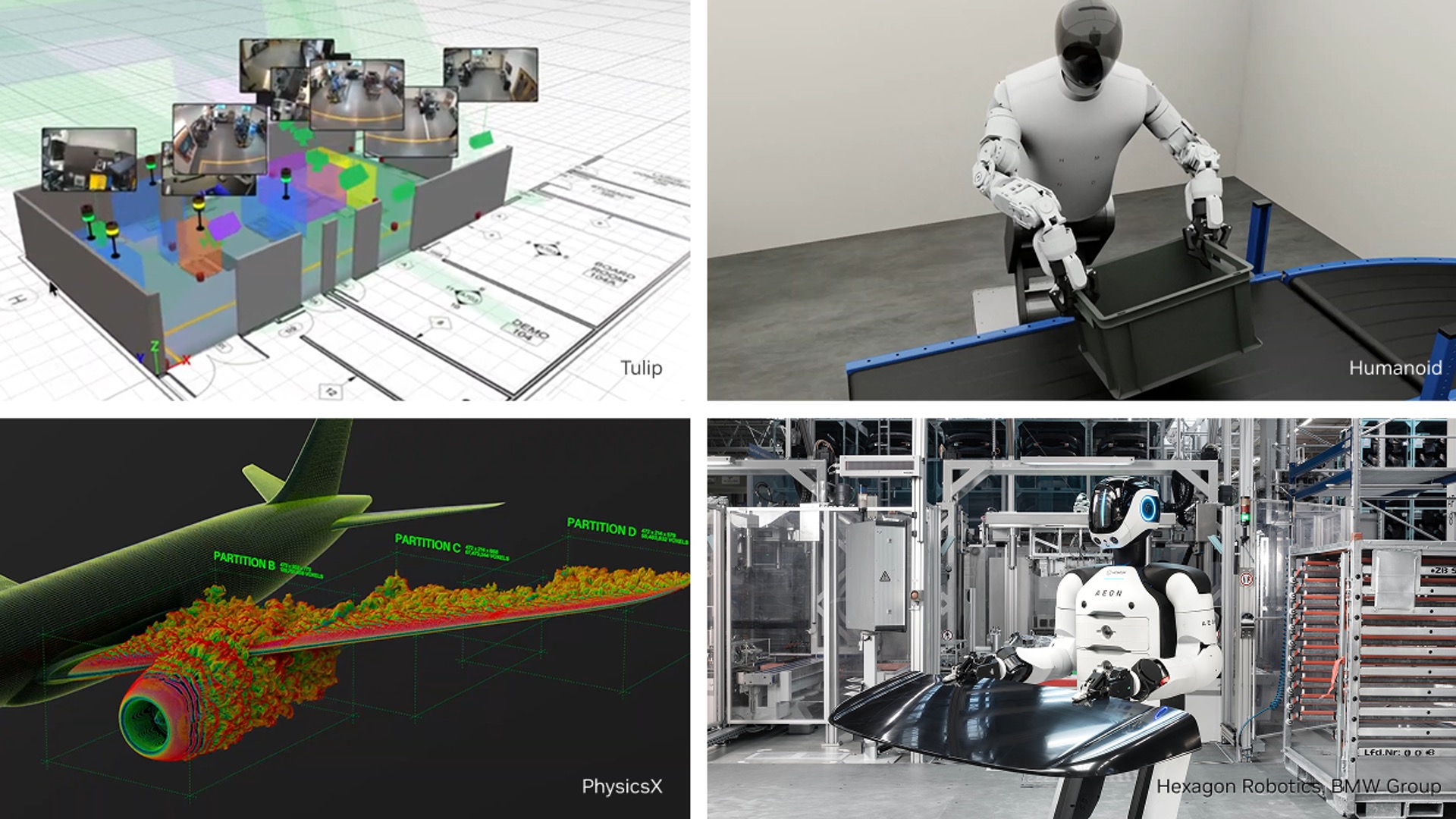
So why build it? The answer lies in workloads that aren’t about chasing frame rates. Simulation, rendering, and fluid dynamics—tasks common in professional workstations—stand to benefit from the extra cache, reducing latency and improving throughput. That’s why AMD has long used 3D V-Cache in its **EPYC server chips**, where raw compute efficiency matters more than gaming prowess. For a 16-core, 32-thread CPU like the 9950X3D2, the appeal shifts from FPS to productivity.
Yet the question remains: who needs this? The 9950X3D already retails for **$650**, and the 9950X3D2 will likely follow suit—or exceed it. Pairing it with fast memory (which it demands to avoid bottlenecks) could push a high-end build well into **$1,000+** territory. That’s a steep ask for a chip that won’t meaningfully boost gaming performance.
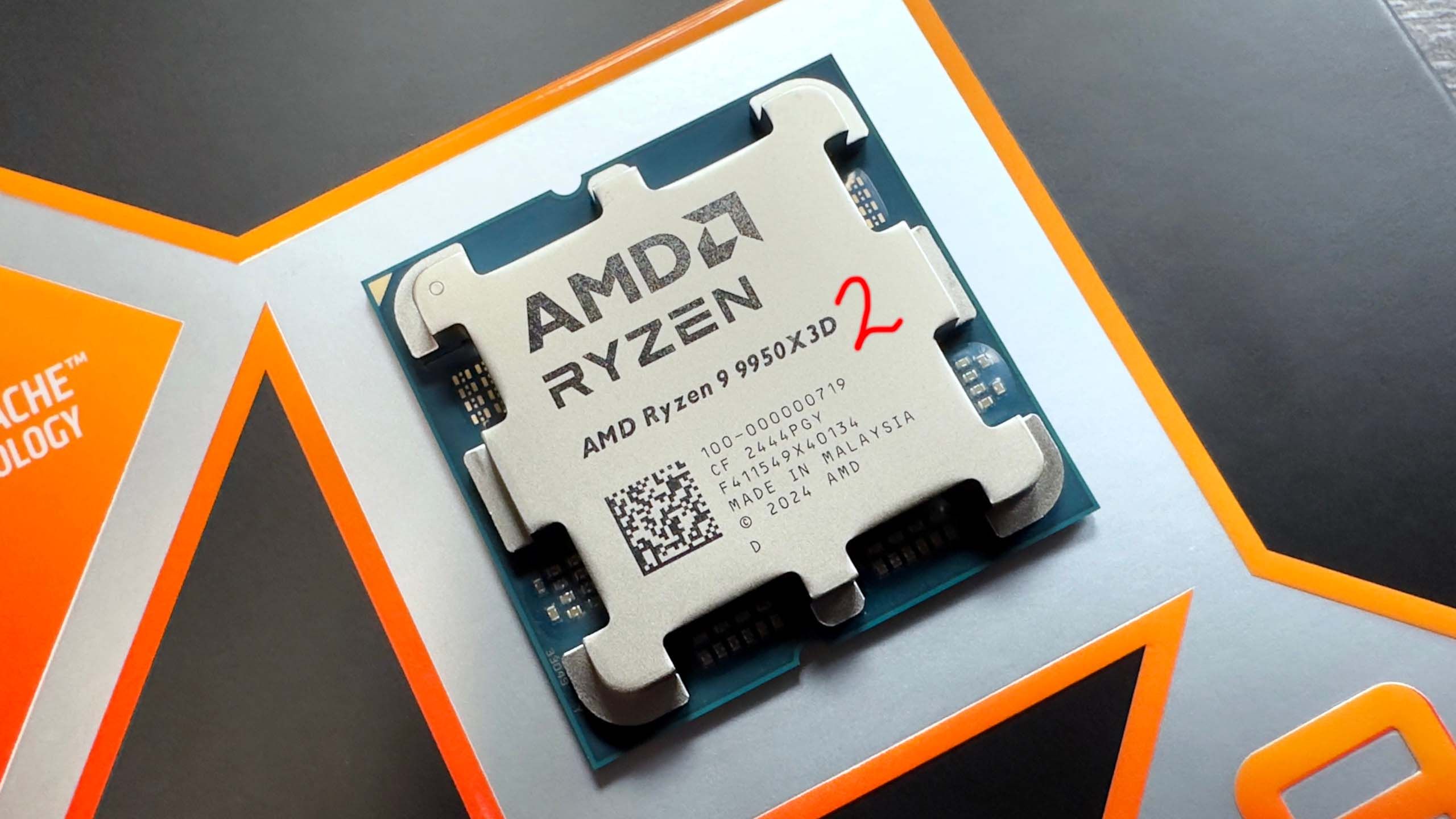
Leaks suggest the 9950X3D2 could surface soon, possibly as early as this year. But don’t expect it to replace the 9950X3D in mainstream gaming rigs. Instead, it’s a signal: AMD is doubling down on **workstation-grade CPUs**, even if they don’t fit the traditional desktop narrative. For gamers, the message is clear—this isn’t for you. For professionals, it might just be the ultimate cache monster.
Key specs (confirmed)
- Model: Ryzen 9 9950X3D2
- Architecture: Zen 5 (3D V-Cache)
- Cores/Threads: 16 / 32
- 3D V-Cache: 192MB (split across both CCDs)
- Base Clock: Not yet confirmed (likely similar to 9950X3D)
- TDP: Estimated ~280W (high)
- Socket: AM5
- Memory Support: DDR5-5200+ (optimized for high-bandwidth)
- Expected Price: ~$650+ (premium workstation tier)
The 9950X3D2 isn’t just an upgrade—it’s a **segment shift**. While the 9950X3D remains the king of gaming CPUs with its single-CCD 3D V-Cache, this new variant is aimed at users who prioritize **compute density over frame rates**. That means simulation clusters, AI training rigs, and high-end workstations—not living rooms chasing 144Hz.
Availability remains unconfirmed, but leaks from partners like Alienware and SI Systronic hint at a **Q2 2024 launch**. If it follows the 9950X3D’s release pattern, expect motherboard and cooler support to lag behind—another reason to view this as a **specialized product**, not a mainstream upgrade.