The April 2026 Windows 11 update has introduced an unexpected behavior for some users: an unwelcome BitLocker recovery prompt appearing during system startup. This issue doesn't affect the majority of Windows 11 installations, but its technical requirements reveal an unusual intersection of security policies and firmware settings.
At the heart of this problem lies a specific combination of conditions that must all be met simultaneously. First, BitLocker must be enabled on the affected system. Second, the 'Configure TPM platform validation profile for native UEFI firmware configurations' group policy setting must include PCR7 in its validation profile. This is followed by a peculiar state in msinfo32.exe showing 'Secure Boot State PC47 Binding' as 'Not Possible'. Additionally, the device must have the Windows UEFI CA 2023 certificate present but not be running the corresponding 2023-signed Windows Boot Manager.
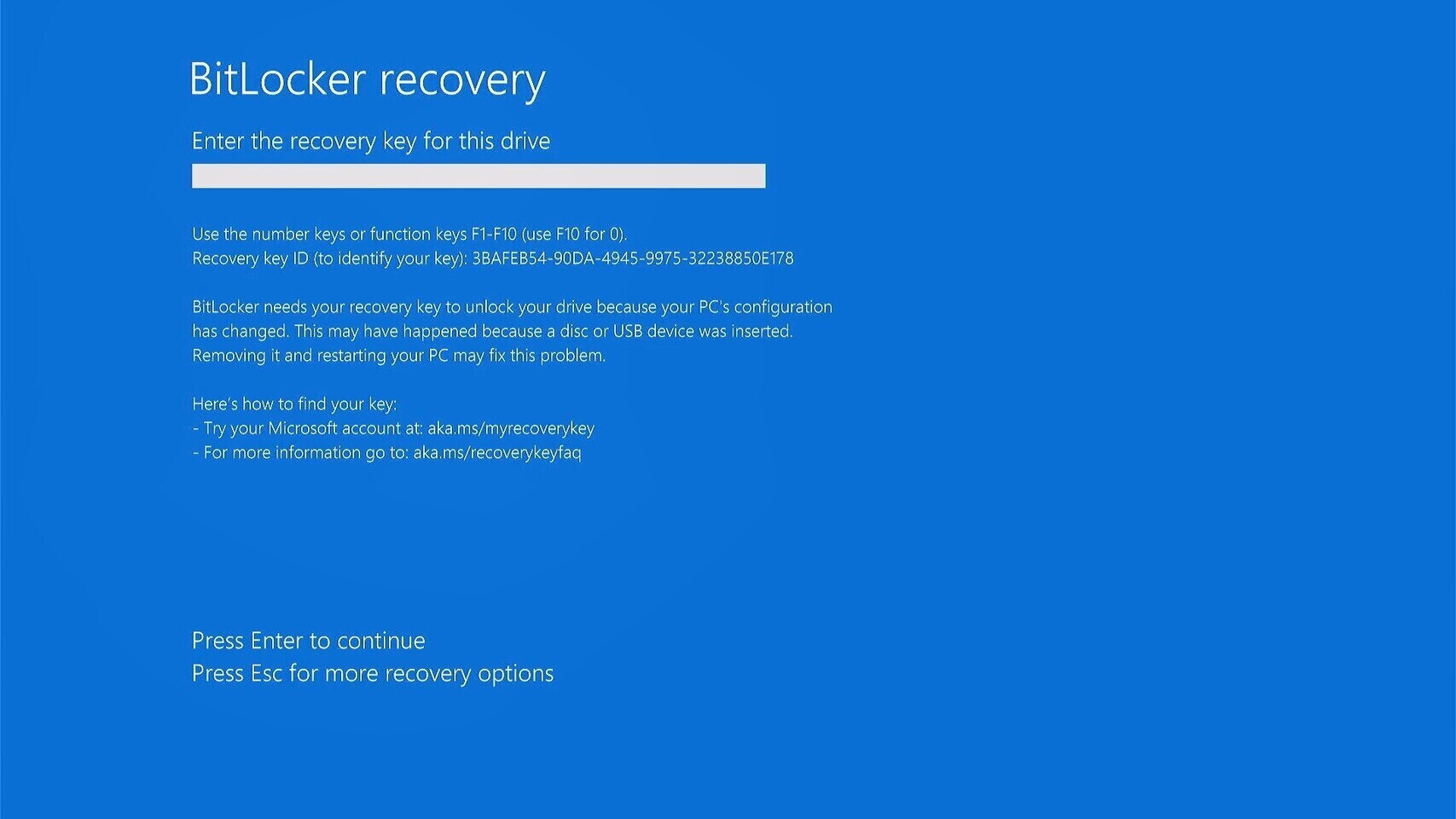
When all these elements align, users encounter a BitLocker recovery environment prompt during startup. The notable aspect of this behavior is that it only occurs once - subsequent system starts do not repeat the issue. Microsoft's support documentation confirms this specific scenario and provides recommended workarounds for affected systems.
The company advises either removing the PCR7 group policy configuration before applying the update or using Known Issue Rollback (KIR) as a safety measure. While Microsoft acknowledges this issue in their latest update, they're already preparing a fix scheduled for the next Windows 11 release. The severity of this problem is considered lower than previous widespread Windows update issues, given its limited scope to systems with these specific configurations.
For most Windows 11 users, particularly those not using advanced group policy settings, this issue won't be relevant. However, for IT administrators managing enterprise environments with these particular security policies in place, the update introduces an important consideration that requires attention before deployment across networks.