ZOTAC’s official store appears to have entered uncharted territory, where pre-placed orders for the RTX 5090 are being canceled without explanation, only to be followed by a 20% price surge across its flagship GPU lineup. Buyers who expected a stable purchase process now face refunds and a website that seems to be in flux—all while the company’s high-end graphics cards jump from $3,000 to over $3,500 overnight.
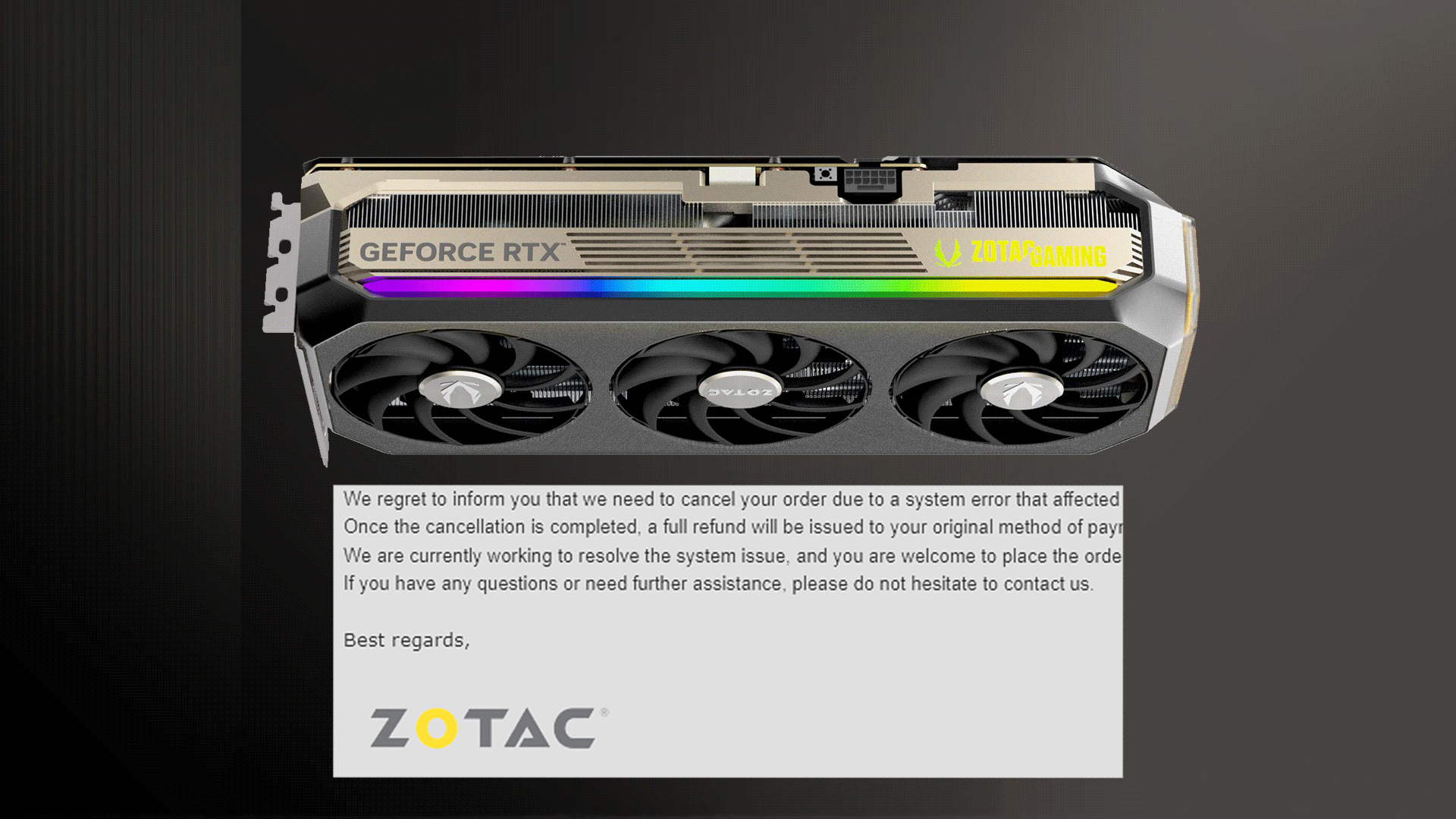
The latest reports suggest that customers who attempted to finalize RTX 5090 purchases—including the SOLID OC and AMP Extreme Infinity models—received automated cancellations citing a vague ‘system error.’ Those affected were then instructed to reorder once the issue was resolved, only to find the price tag inflated by nearly $500. The timing aligns with a broader industry trend of GPU price volatility, but ZOTAC’s abrupt shift stands out for its lack of prior notice or justification.
- Price Hikes: The RTX 5090’s listed price has climbed approximately 20–22%, translating to a $500 increase across variants like the SOLID OC and AMP Extreme Infinity.
- Order Cancellations: Some pre-placed orders were canceled with a ‘system error’ notice, prompting refunds and a directive to reorder.
- Website Status: The official ZOTAC store is currently under maintenance, with screenshots from affected users confirming the price adjustments.
- Models Affected: The RTX 5090 SOLID OC and AMP Extreme Infinity editions are the primary targets of the changes.
The cancellations and price jumps occurred within hours of each other, leaving little time for buyers to react. One user shared a screenshot of an automated email stating that their order had been canceled due to a ‘system error,’ with no further details provided. The store’s maintenance mode adds another layer of uncertainty, as it’s unclear when—or if—normal operations will resume.
While the price hikes and order cancellations are documented, several critical questions remain unanswered
- Scope of Affected Orders: It’s unknown how many customers were impacted by the cancellations, though reports suggest the issue began late in the previous day.
- Reason for Changes: No official statement from ZOTAC explains the sudden price increases or the ‘system error’ that triggered order cancellations.
- Long-Term Impact: The volatility raises concerns about trust in ZOTAC’s official store, particularly for high-value purchases like the RTX 5090.
- Website Recovery: The maintenance period could extend indefinitely, leaving buyers in limbo.
Industry observers note that GPU pricing has become increasingly erratic, with factors like DRAM shortages and supply chain disruptions contributing to instability. However, ZOTAC’s approach—cancelling orders and hiking prices in tandem—deviates from typical adjustments. Unlike competitors that may adjust pricing gradually, ZOTAC’s move appears abrupt and reactive, with no clear communication to customers.
The fallout from these changes is most acute for enthusiasts and professionals targeting the RTX 5090, a card already commanding premium pricing. The $500 jump places it closer to the $3,500 mark seen in secondary markets, where scalpers often inflate prices for high-demand hardware. For buyers who had locked in lower prices, the cancellation and refund process may feel like a bait-and-switch tactic, especially given the lack of transparency.
Meanwhile, the broader RTX 50 series—including the RTX 5080, 5070 Ti, and 5060 Ti—continues to see design shifts, such as the recent transition to blower-style cooling in China. These changes suggest NVIDIA is refining its approach to thermal management and market segmentation, but ZOTAC’s internal chaos adds a layer of unpredictability for consumers.
In the absence of clarity from ZOTAC, potential buyers are advised to exercise caution. Avoid placing orders on the official store until the website is fully operational and pricing stabilizes. For those who have already been affected, monitoring refund processes and seeking alternative purchase channels may be necessary. Until ZOTAC provides answers, the RTX 5090 remains a high-stakes gamble—both in terms of cost and availability.
The situation underscores a growing trend in hardware retail: when supply chains tighten and demand remains high, companies may prioritize profit margins over customer trust. For now, the only certainty is uncertainty.