AMD’s next-gen GPU architecture is officially being tracked under the name RDNA 5, not UDNA, according to newly surfaced documentation in the LLVM compiler stack. The GFX13 identifier—now added to the toolchain—points to a major shift in AMD’s GPU roadmap, with discrete GPUs likely landing in mid-2027.
The GFX1310 branch, specifically, aligns with AMD’s traditional Radeon naming scheme, suggesting the upcoming lineup could be branded as the Radeon 10000 series if the pattern holds. While early LLVM entries don’t guarantee immediate hardware, they signal that AMD is laying the groundwork for driver optimization and toolchain support well in advance of launch.
LLVM plays a pivotal role in AMD’s GPU ecosystem, underpinning Linux drivers, Mesa, and ROCm development. The addition of GFX13 to the stack confirms that RDNA 5 is moving beyond theoretical discussions and into active development. Previous architectures, like GFX12 (RDNA 4), followed a similar path, with LLVM integration typically preceding hardware releases by months.
RDNA 5 is expected to leverage TSMC’s N3P process node, a more advanced fabrication technique than the N5 used in RDNA 4 GPUs. This could translate to improved efficiency, performance, or both—though exact specs remain unconfirmed. The architecture’s debut is anticipated to coincide with NVIDIA’s rumored RTX 60-series Rubin GPUs, setting up a high-stakes showdown in the high-end market.
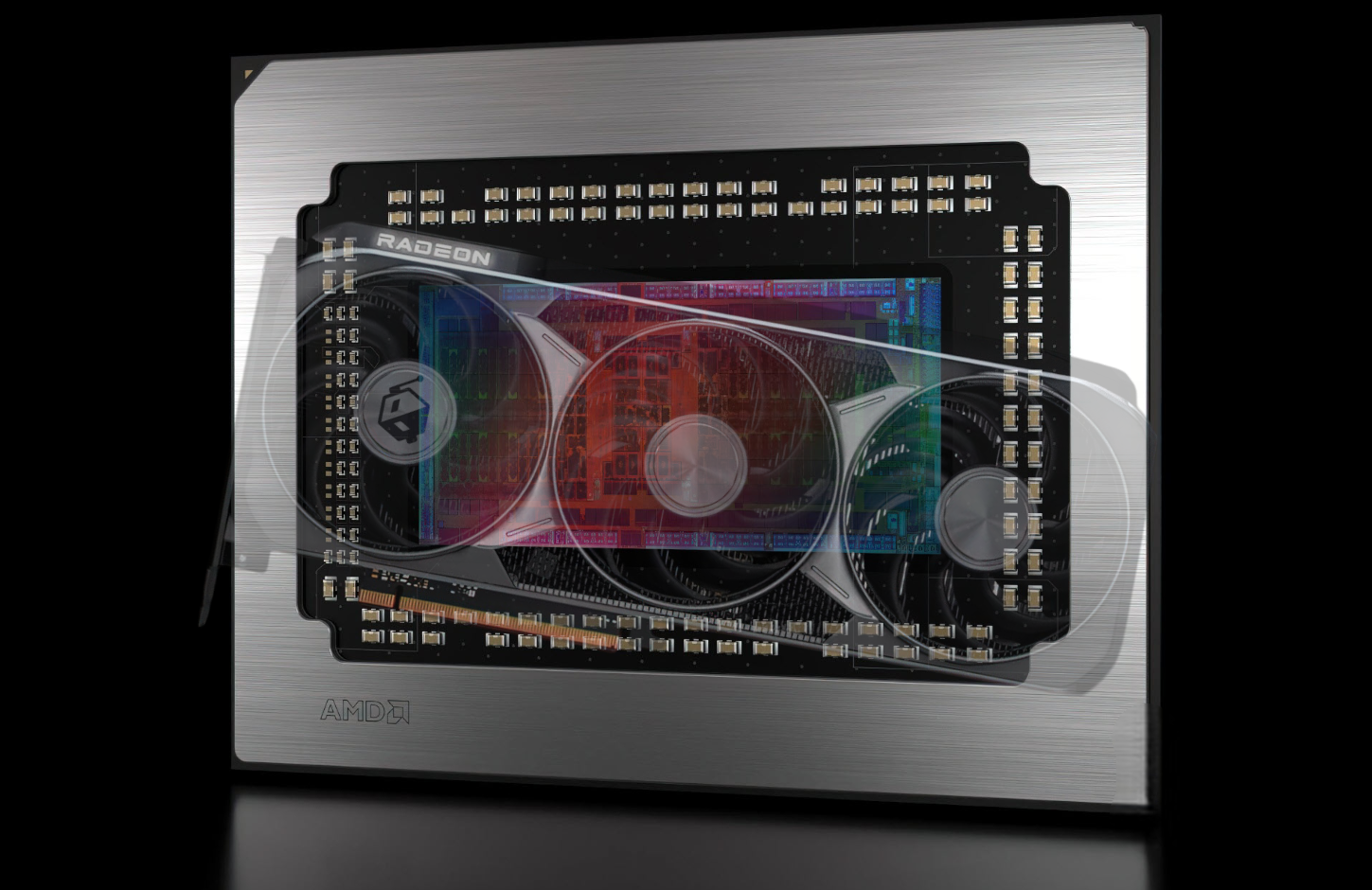
Unlike RDNA 4, which struggled to compete in the premium segment, AMD appears determined to reclaim ground with RDNA 5. Early leaks and internal developments suggest a renewed focus on delivering competitive performance, particularly in ray tracing and AI acceleration, where AMD has historically lagged behind NVIDIA.
Key Specs (Expected, Not Confirmed)
- Architecture: RDNA 5 (GFX13)
- Process Node: TSMC N3P
- Launch Window: Mid-2027 (aligned with NVIDIA’s Rubin GPUs)
- Potential Branding: Radeon 10000 series (if following prior naming conventions)
- Development Status: LLVM integration confirms early driver/toolchain work
The timing of RDNA 5’s arrival suggests AMD is positioning it as a direct response to NVIDIA’s next-gen push. If the architecture delivers meaningful improvements in ray tracing, power efficiency, or raw performance, it could mark a turning point for AMD in the GPU wars—a segment where the company has historically trailed its primary competitor.
For now, the focus remains on software enablement, with hardware details still months away. But the GFX13 entry in LLVM is a clear signal: AMD is gearing up for a fight in 2027.