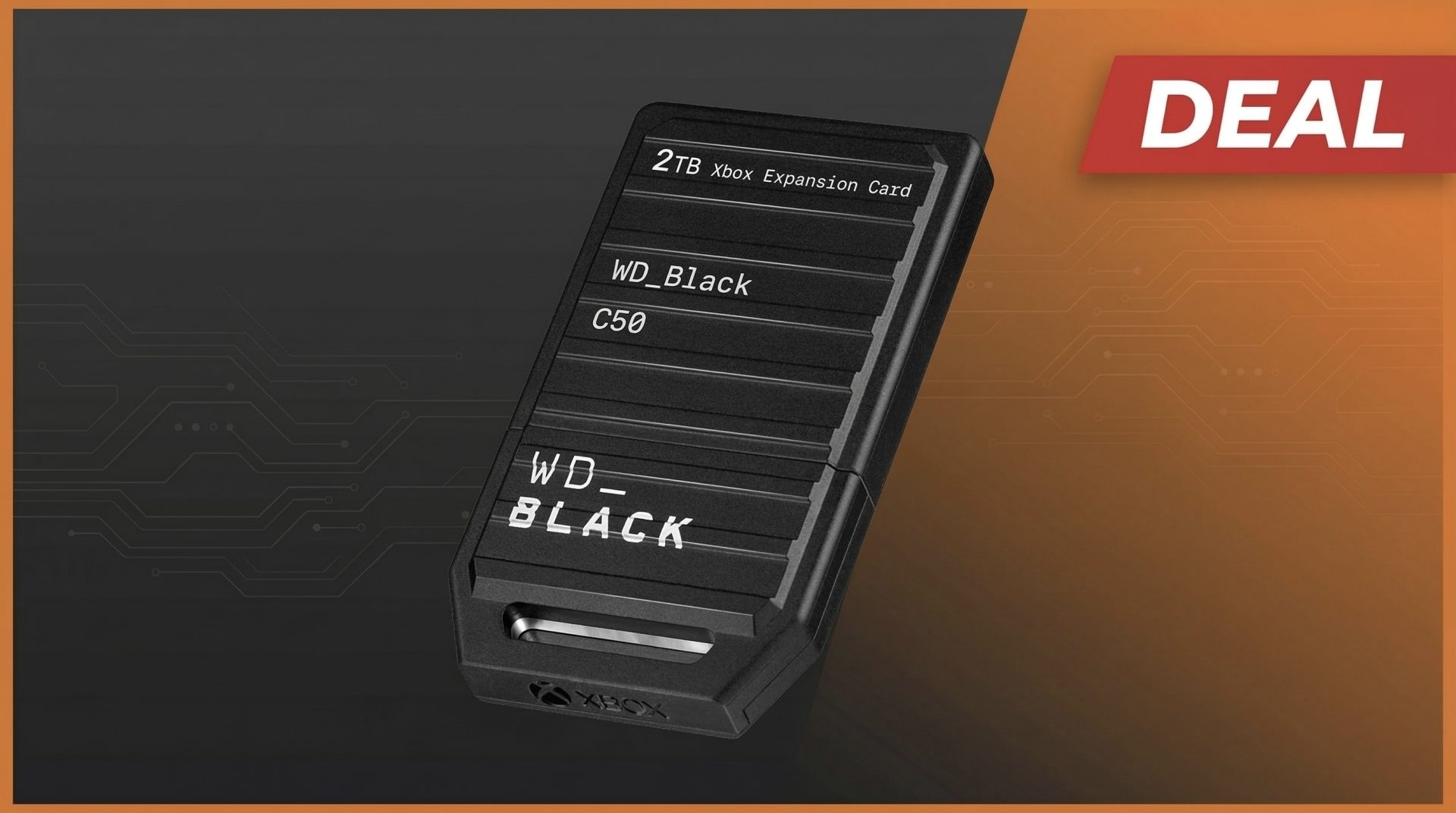
Console storage is rarely straightforward. Most users settle for external drives that sacrifice performance or face the crunch of internal SSD upgrades, but Xbox Series X|S owners have a third option: the WD Black C50 expansion card. Now priced at $249.99—its lowest recorded point—the 2TB model presents a rare chance to assess whether its proprietary format justifies the cost.
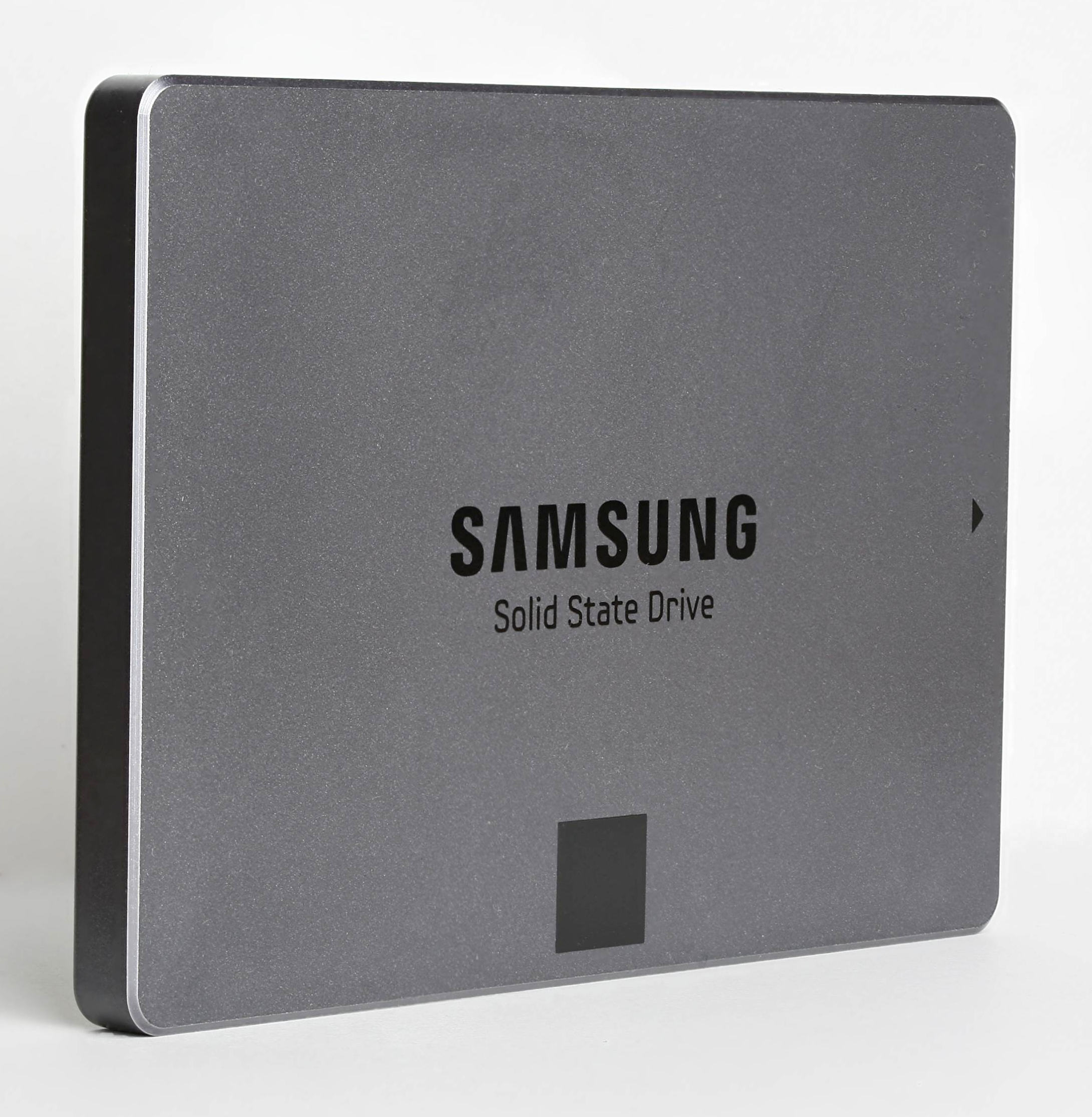
At first glance, the numbers are striking. A standard 2TB NVMe SSD currently lists around $100–$130 in retail markets. The C50, by contrast, demands nearly double that per terabyte—$125/TB—but delivers something no off-the-shelf drive can: seamless integration into the console’s dedicated expansion slot without tools or disassembly.
- Performance & Compatibility:
- Full velocity architecture performance, matching internal SSD speeds
- Quick Resume support across all games stored on the card
- No compatibility gaps—works instantly in Xbox Series X|S expansion slot
The practical benefit becomes clear when storage needs outpace internal limits. A 2TB C50 can comfortably hold roughly 15–20 modern AAA titles, depending on file size. Games like Starfield (125GB) or Call of Duty (150GB+) fill drives quickly, pushing users toward expensive workarounds—until now.
Why the Price Matters More Than the Discount
The $624.99 list price, often cited in promotions, is a red herring. No one paid it; it’s an inflated anchor used to manufacture perceived savings. The real question is whether $250 represents fair value for 2TB of officially licensed Xbox storage—a category dominated by just two players: WD Black and Seagate.
- Value Comparison:
- WD Black C50 (2TB): $125/TB
- Seagate Expansion Card (1TB): $199/TB
For users with aggressive storage needs, the WD card is the clear winner on a per-gigabyte basis. A 1TB Seagate saves $50 upfront but leaves little room for future game libraries. Most who’ve once filled internal storage will return to the same crunch within months.
A Reality Check: The Locked-Down Ecosystem
This is not a plug-and-play market in any traditional sense. Microsoft’s decision to restrict the expansion slot to WD and Seagate cards means users cannot swap in third-party NVMe drives, no matter how fast or affordable they may be elsewhere. That exclusivity comes with a trade-off: convenience for cost, performance for format control.
Who Should Consider It?
- Developers:
- Testing environments requiring large, consistent game libraries without reinstallation
- Gamers:
- Those who’ve maxed out internal storage and refuse to manage game uninstalls
- Content Creators:
- Streaming setups needing low-latency access to multiple large assets
The $250 price tag is substantial for an accessory, but in the context of Xbox’s closed storage ecosystem, it represents a rare discount. For developers managing build iterations or gamers planning long-term libraries, this may be the last time 2TB console expansion storage aligns with retail value. The question remains: will Microsoft ever loosen its grip on this niche—or is proprietary storage here to stay at a premium?
The most significant change isn’t the price drop itself, but the moment it forces users to confront: in an era where standard SSDs grow cheaper and faster every cycle, how long can console makers sustain a separate, pricier tier for their own hardware? The answer may lie in the next generation of storage—if it arrives at all.