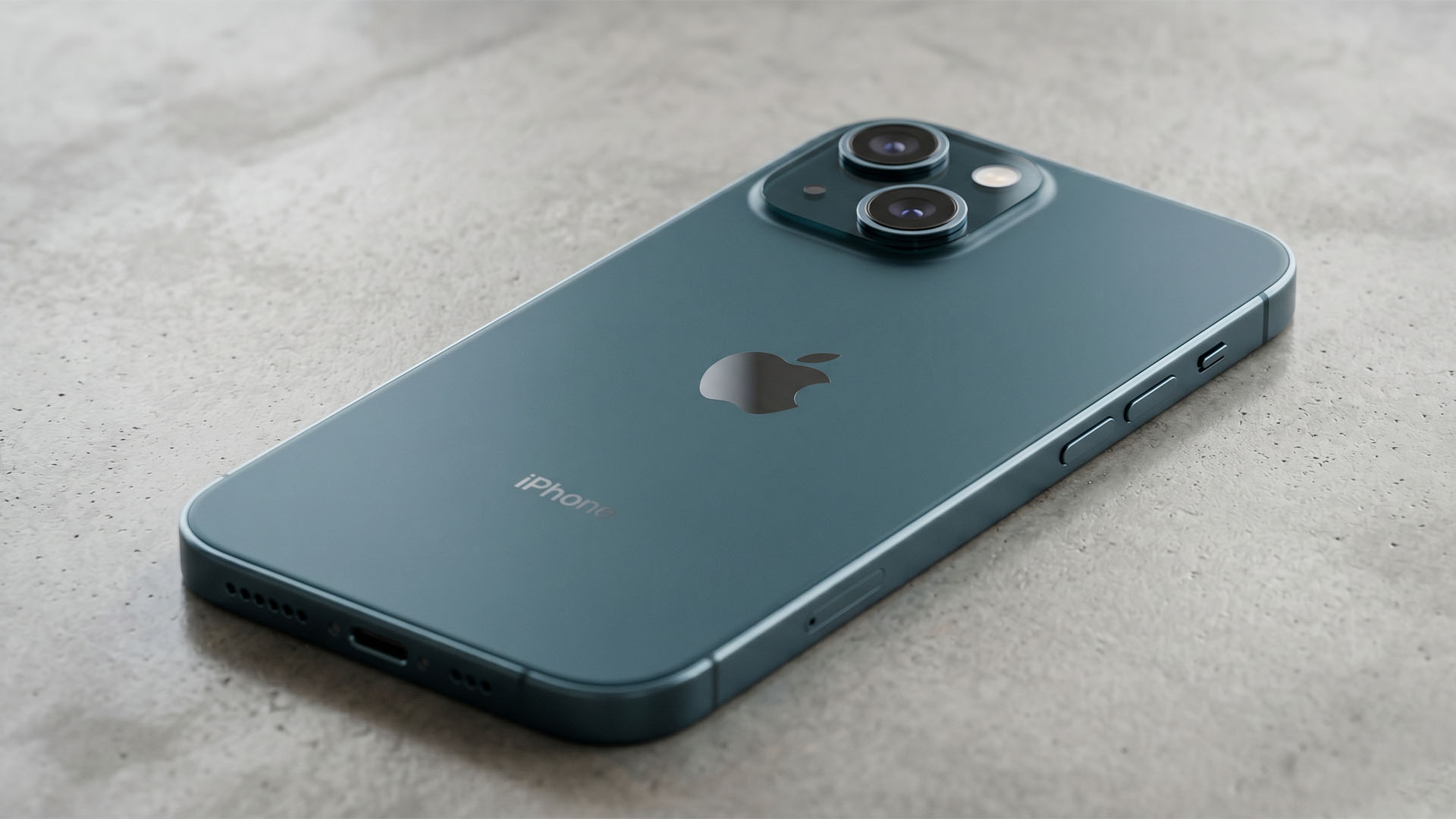
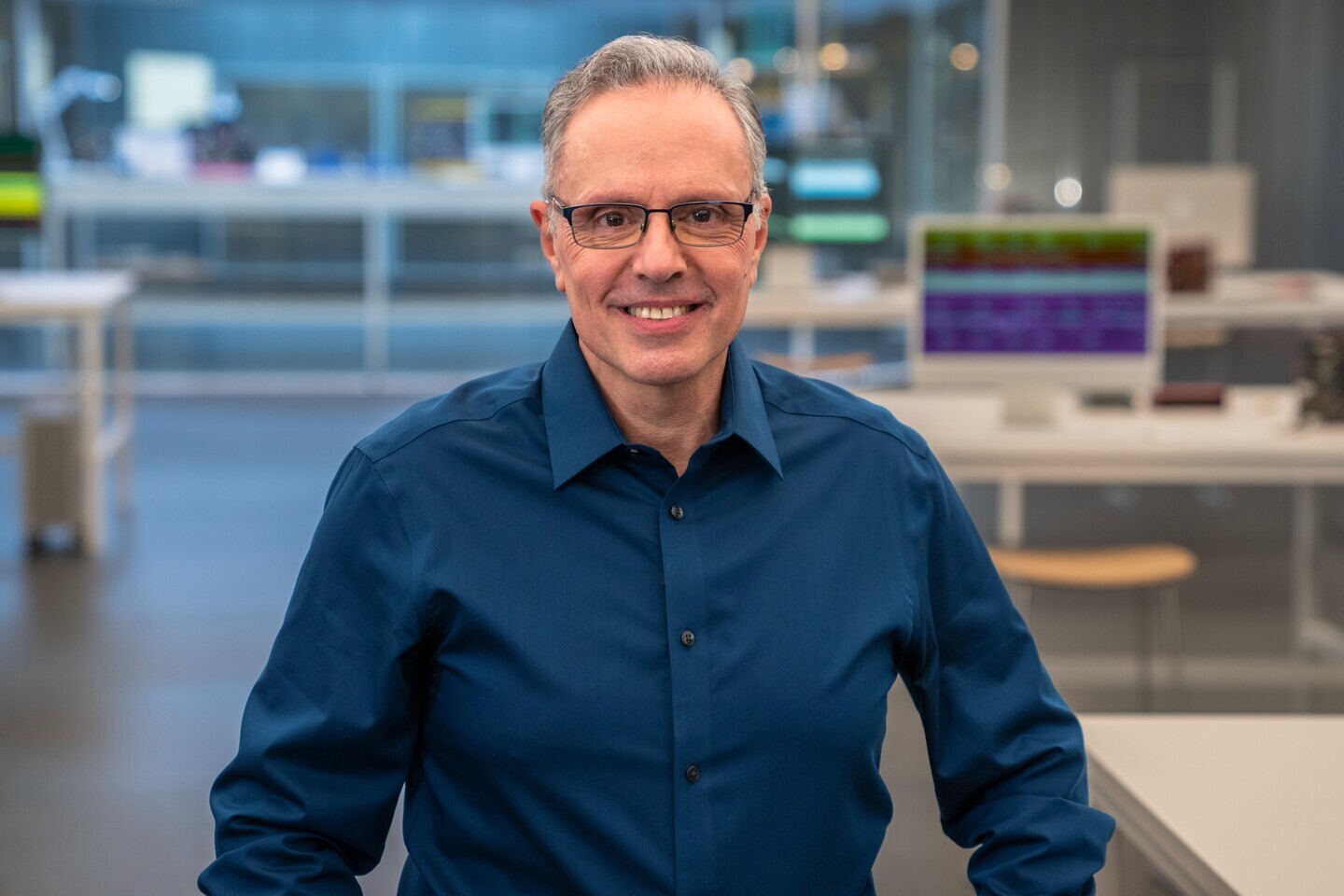
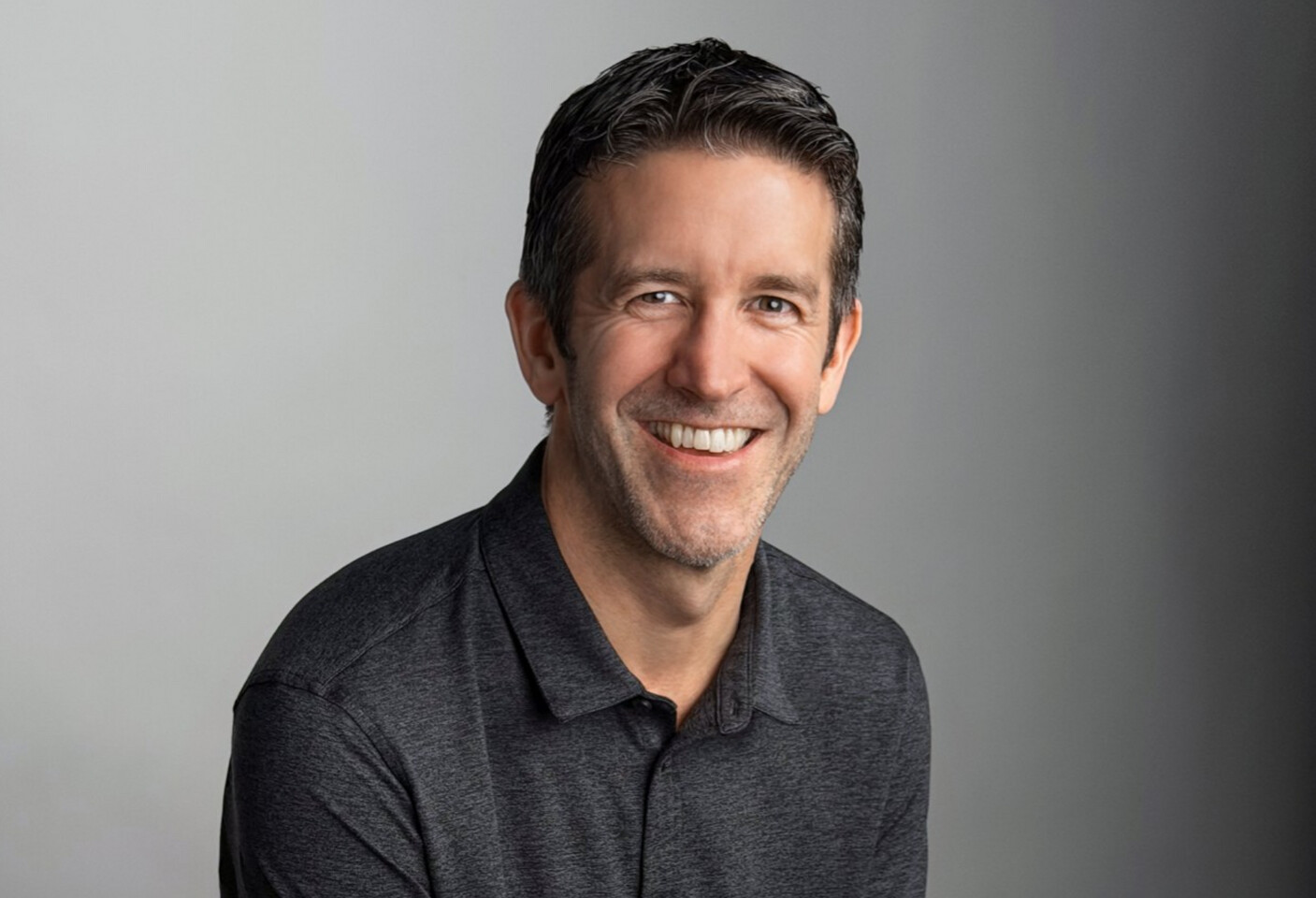
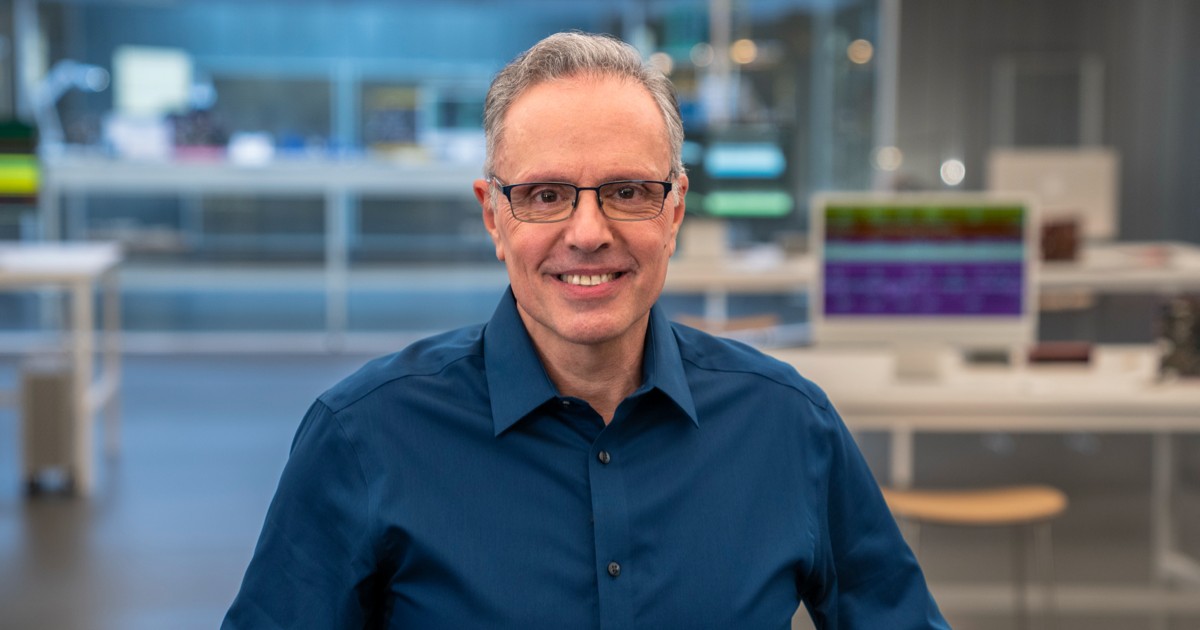
Apple has announced a significant leadership transition that will reshape its approach to hardware development while ensuring stability through Tim Cook’s continued involvement. Effective immediately, Cook will step down from his role as CEO but will remain as executive chairman, providing long-term strategic direction. Simultaneously, John Ternus, who has overseen Apple’s hardware division for nearly two decades, will take on a broader leadership role with direct responsibility for the company’s core hardware products—iPhone, Mac, iPad, and Apple Watch—as well as its expanding focus on augmented reality (AR) and virtual reality (VR).
This shift does not signal Cook’s retirement but rather a deliberate restructuring to inject new momentum into hardware innovation while maintaining Apple’s signature focus on design and user experience. Under Cook’s tenure, the company has become synonymous with premium hardware and ecosystem integration, but recent market pressures—particularly in spatial computing—have pushed for more aggressive advancements. Ternus, known for his expertise in supply chain management and product development, is now positioned to accelerate Apple’s push into these frontier technologies.
The Transition’s Strategic Underpinnings
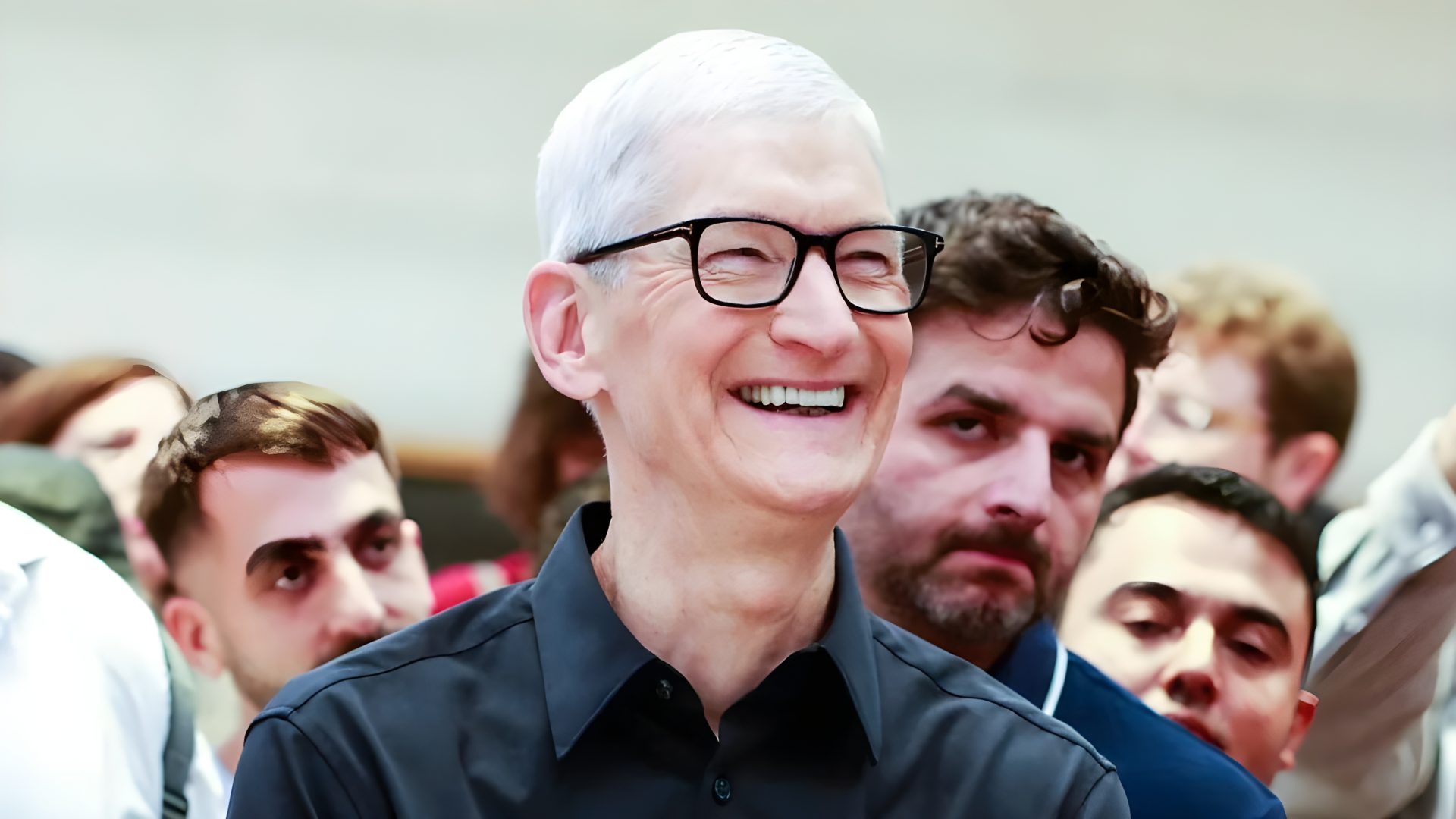
Cook’s move to executive chairman was widely expected, given his long-standing commitment to the company since 1998. His decision reflects a strategic shift rather than an exit from day-to-day operations, ensuring Apple retains its visionary leadership while allowing Ternus to bring a new dynamic to hardware innovation. Cook’s legacy includes transforming Apple into a services and software powerhouse, but hardware—particularly the iPhone—remains the bedrock of its revenue and market influence.
Key Implications for Hardware Development
- Ternus will now lead all major hardware initiatives, including future iPhone generations, Mac updates, and potential breakthroughs in AR/VR.
- Cook’s role as chairman ensures that Apple’s long-term strategy remains aligned with its core values, while Ternus focuses on execution and operational excellence.
- The transition could result in more aggressive hardware roadmaps, particularly in areas where Apple has historically been cautious, such as wearables beyond the Apple Watch.
Industry observers will closely monitor how this shift impacts Apple’s product cycles. Cook’s leadership has been marked by incremental yet transformative innovations—such as the iPhone’s evolution into a multimedia powerhouse or the seamless integration of services like Apple Music. Under Ternus, the emphasis may shift toward bolder hardware-driven advancements, especially in spatial computing, where Apple trails competitors like Meta and Microsoft.
Looking Ahead: Innovation or Incrementalism?
The transition is set to take effect immediately, with Cook remaining a prominent figurehead for the company. While Ternus takes on operational leadership, Cook’s strategic influence will ensure Apple continues to navigate market challenges with precision. The critical question is whether this structural change will translate into tangible innovations that redefine hardware leadership—or if it will result in more incremental refinements of existing product lines.
One potential outcome could be a renewed focus on AR/VR, where Apple has been relatively quiet compared to rivals. Ternus’ deep experience in supply chain management and global manufacturing may also streamline production for next-generation hardware, ensuring Apple maintains its reputation for premium quality while expanding into new markets. The leadership shift underscores Apple’s ability to evolve without losing its core identity, entering a new phase where Ternus’ vision will shape its hardware future—one that could either solidify dominance or force rapid adaptation in an increasingly competitive landscape.