The gaming world is on the brink of a new input device that could redefine how players interact with their systems. A recently uploaded unboxing video, spotted through a SteamDB entry, suggests Valve's Steam Controller is just days away from launch. The timing and preparation around this release indicate it’s more than just another gaming accessory—it may signal the beginning of a broader hardware push.
At a glance
- Launch window: Expected within the next few days, possibly aligning with other Steam hardware announcements.
- Wireless capability: Large-scale shipments imply a refined, mass-produced design ready for market.
- Pricing uncertainty: No official price has been revealed, leaving buyers in limbo.
- HDMI 2.1 support: A key feature that suggests deep integration with Steam Machine and future Valve products.
The unboxing video, titled steam_controller_unboxing_2026, carries a deliberate naming convention that reinforces its significance. While the video isn’t yet publicly accessible, its existence points to Valve’s final stages of preparation. Industry sources have previously noted substantial stockpiling, a common practice before major hardware launches.
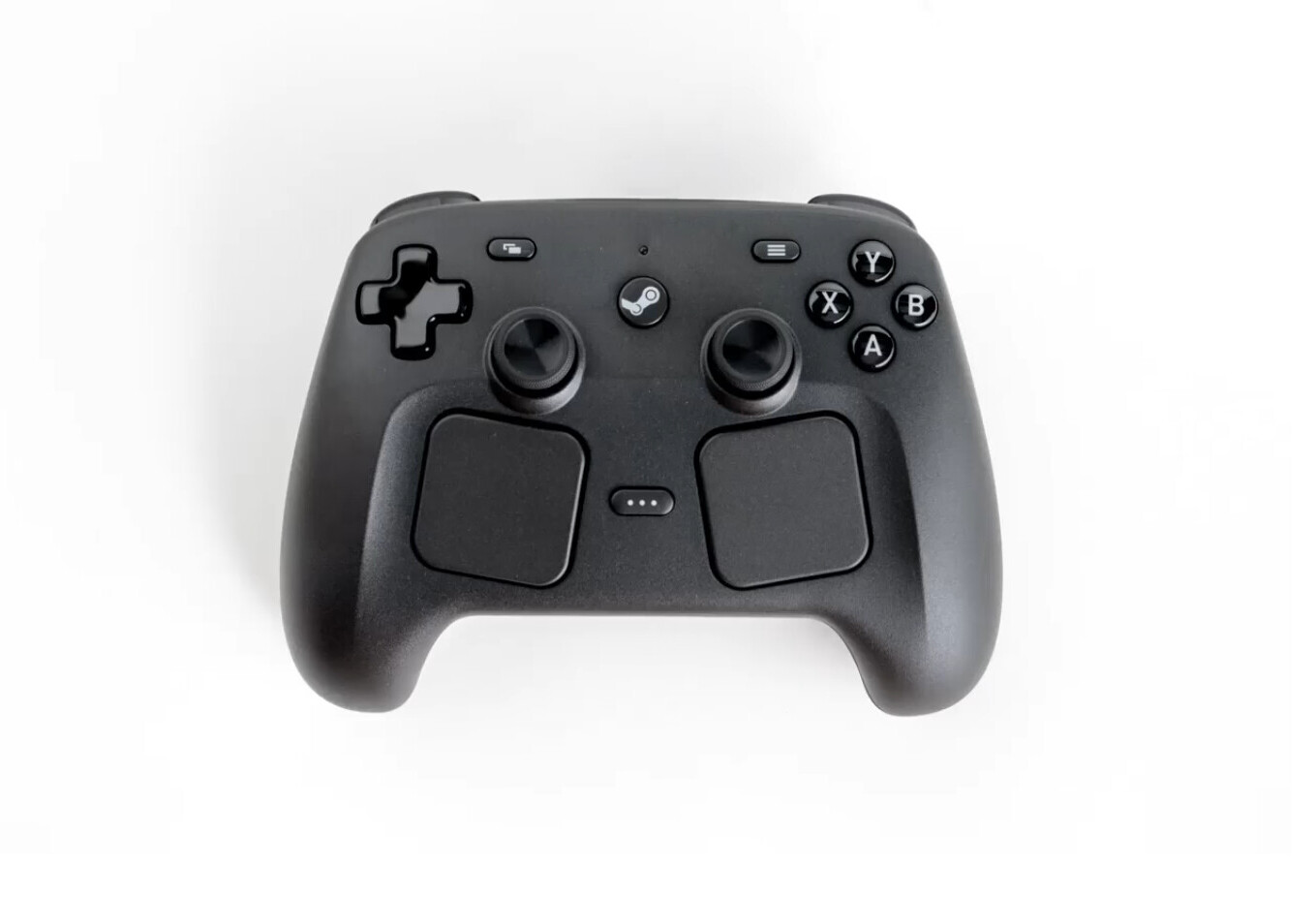
For PC builders, the uncertainty lies in whether to wait for this controller or proceed with other upgrades. The lack of pricing details complicates decision-making, but the sheer volume of stock suggests Valve is ready to make a market impact. Will it compete directly with established controllers like those from Xbox and PlayStation, or will it be bundled with Steam Machine, potentially setting the stage for future hardware cycles?
Context and implications
The Steam Controller’s HDMI 2.1 compatibility is more than just a technical spec—it hints at Valve’s long-term vision for gaming hardware. This feature could streamline integration with high-refresh-rate displays, but its broader role in the ecosystem remains to be seen. Builders should focus on timing: how quickly this launch unfolds and whether it triggers additional hardware updates from Valve.
Key considerations for buyers include pricing confirmation, potential bundling strategies, and whether this release is part of a larger 2026 gaming hardware rollout. If Valve is indeed preparing multiple launches, builders may need to adjust their upgrade plans to stay ahead of the curve.