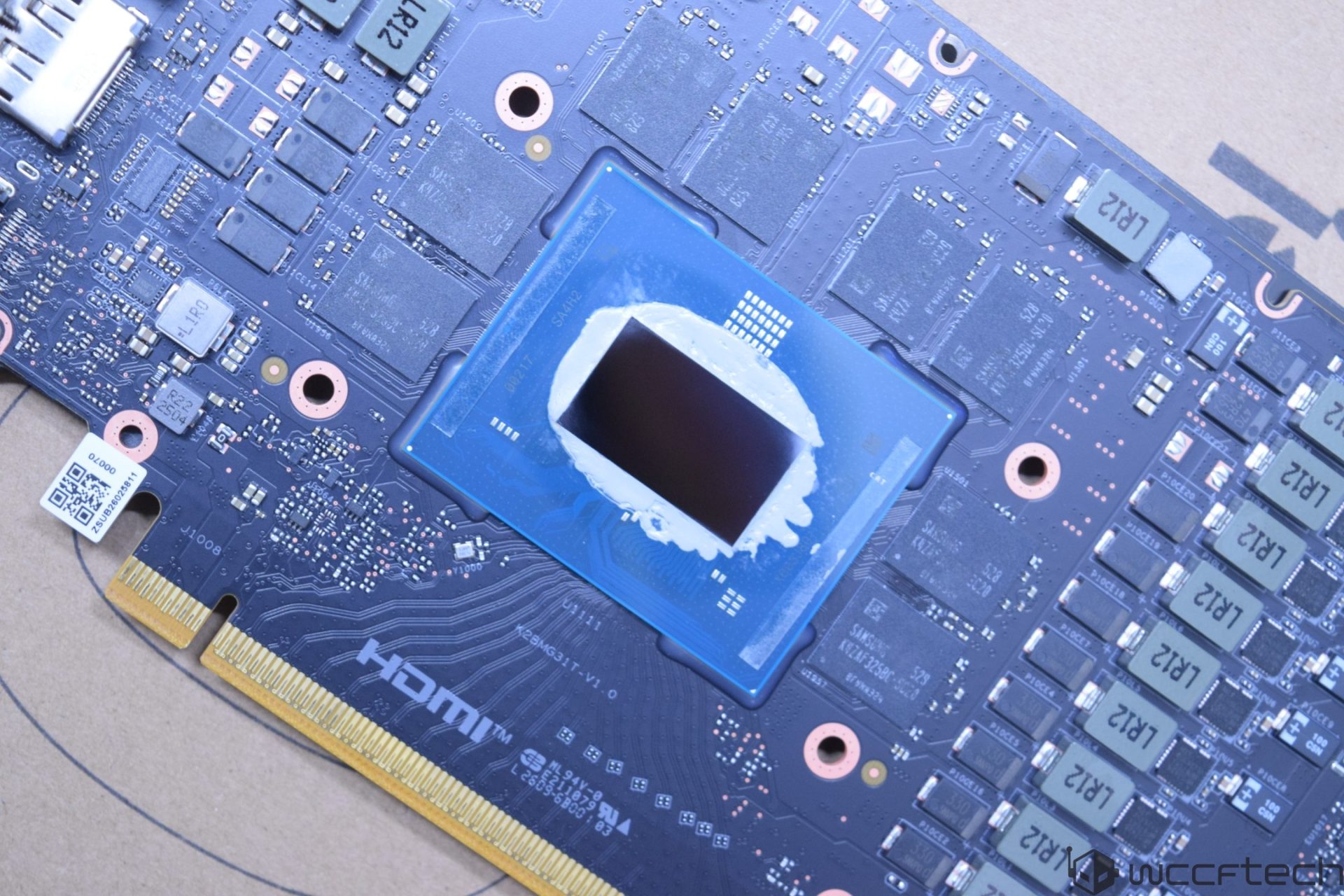
NVIDIA’s latest Blackwell-based GPUs are not immune to production defects, as a recent report suggests. A user has claimed that their RTX Pro 5000 Blackwell GPU arrived with only 160 ROPs instead of the expected 176, mirroring an issue previously seen in early batches of the GeForce RTX 5090 and other RTX 50 series models.
This appears to be the first confirmed instance of a PRO-series GPU affected by the ROP discrepancy. While NVIDIA has historically addressed such issues through replacements, the persistence of this defect—even in professional-grade hardware—hints at lingering challenges in manufacturing consistency for the Blackwell platform.
The RTX Pro 5000 Blackwell is positioned as a high-end workstation GPU, designed to compete with the older RTX 4090. Its specifications, including 176 ROPs, are critical to performance, particularly in rendering and AI workloads where output efficiency matters. A reduction in ROPs, even by a small margin, could impact real-world performance, though the exact degree of degradation remains unconfirmed.
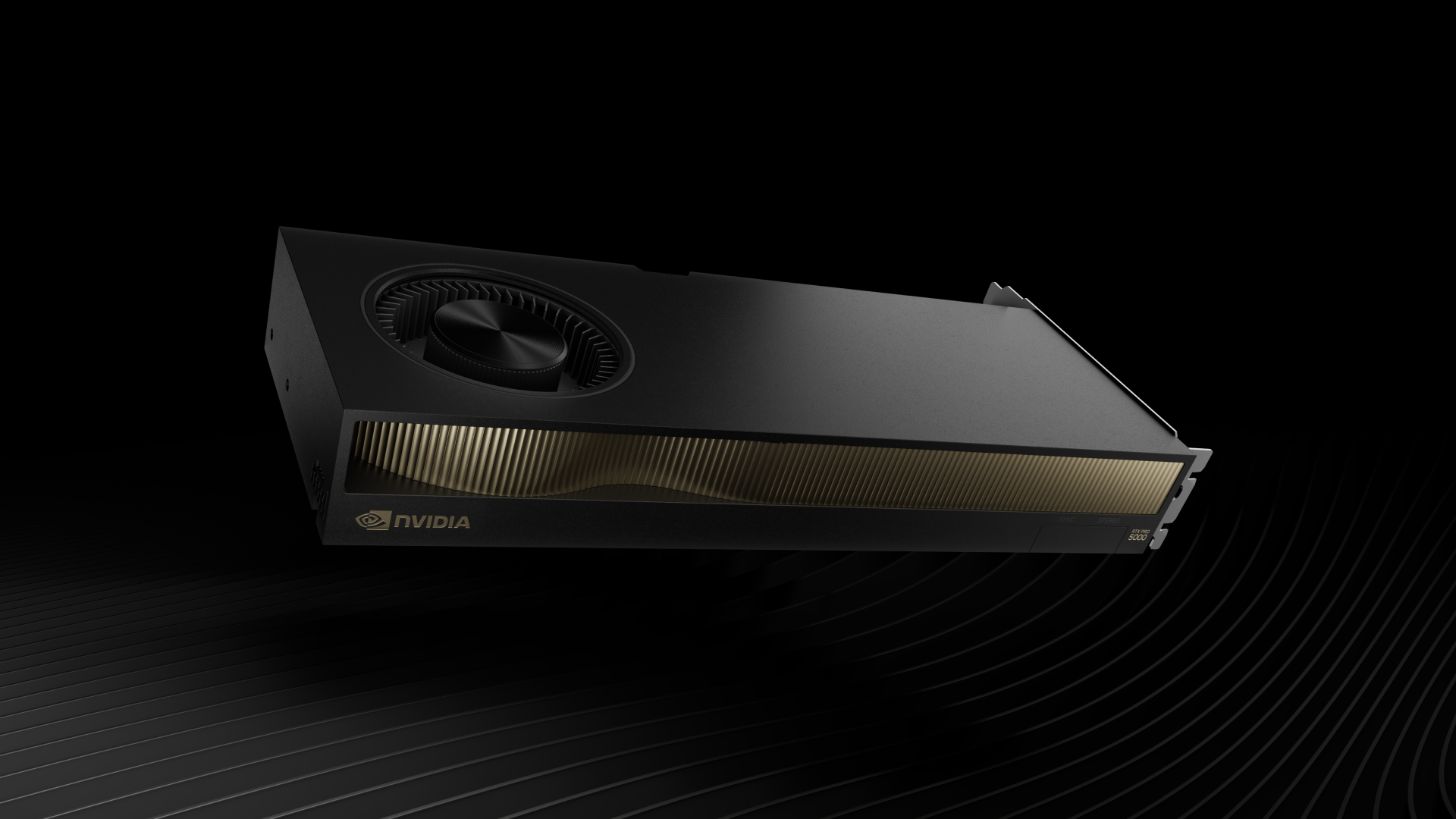
- Key specs:
- Model: RTX Pro 5000 Blackwell
- Expected ROPs: 176 (per third-party benchmarks)
- Reported ROPs on affected unit: 160
- Target replacement: RTX 4090 (suggesting a step-up in professional workloads)
The defect aligns with earlier reports of ROPs being missing in the consumer RTX 50 series, particularly the flagship RTX 5090. Those issues were traced to early production batches, with NVIDIA acknowledging a 0.5% occurrence rate before presumably resolving them in subsequent runs. Whether this is an isolated incident or part of a broader trend remains unclear, but it underscores the importance of rigorous quality assurance as NVIDIA scales Blackwell production.
For professional users, the implications are twofold: performance may not meet advertised benchmarks, and operational costs could rise if replacements are required. While NVIDIA has not commented on this specific case, their track record suggests affected units would likely be replaced under warranty. However, the question remains whether such defects will persist as production ramps up, particularly for professional-grade products where precision is paramount.
Looking ahead, the Blackwell architecture’s roadmap hinges on its ability to deliver consistent performance across both consumer and professional segments. If quality control slips further, it could test NVIDIA’s dominance in high-end markets, where reliability is as critical as raw power.