VAST Data and Mistral AI have joined forces to deploy a new generation of AI training infrastructure, centered around NVIDIA's GB300 platform. This partnership marks a significant shift toward distributed computing for AI development, with the goal of creating highly scalable 'AI factories' capable of handling the most demanding model training tasks.
The core of this initiative is the NVL72 GPU, which brings 141GB of HBM3e memory per chip—nearly double the capacity of its predecessors. This memory advantage allows for larger batch processing and more efficient training cycles, a critical factor as AI models grow in complexity. The GB300 platform further supports up to 96 GPUs in a single system, delivering unprecedented computational density.
Balancing Performance with Practicality
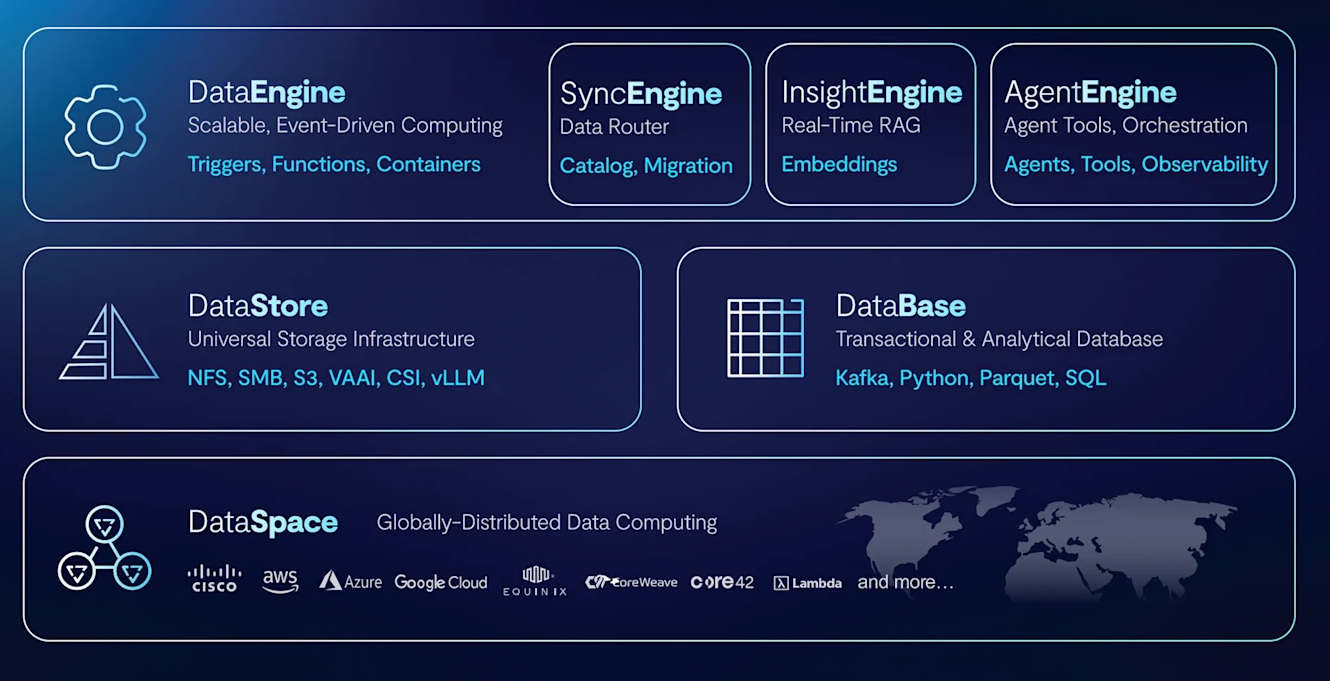
The integration of VAST Data's software-defined storage with Mistral AI's compute resources is designed to streamline data management for large-scale AI workloads. While this combination promises significant performance gains, it introduces a set of practical considerations that will shape its adoption.
- High memory capacity (141GB HBM3e per GPU) enables larger batch sizes and faster training.
- Scalability up to 96 GPUs in a single system, though compatibility remains a key challenge.
- Software-defined storage aims to optimize data access but requires careful integration to avoid bottlenecks.
One of the primary trade-offs lies in the balance between performance and cost. The NVL72 GPU's high memory capacity is a game-changer for AI training, but deploying such systems at scale demands significant investment. Organizations must weigh the long-term benefits against the upfront expenses, particularly when considering the need for compatible storage solutions that can keep pace with the platform's computational power.
Looking Ahead: Potential and Pitfalls
The partnership between VAST Data and Mistral AI represents a bold step forward in AI infrastructure, but its success will depend on overcoming several hurdles. Compatibility issues between hardware components are a persistent concern, especially when scaling to large systems. Ensuring seamless integration between storage and compute layers will be essential to realizing the full potential of this setup.
Additionally, the cost implications cannot be ignored. High-performance AI infrastructure requires not only cutting-edge GPUs but also robust software solutions that can manage data efficiently at scale. For organizations evaluating this approach, the financial commitment must align with strategic goals, ensuring that the investment delivers measurable returns without overpromising on capabilities.
The collaboration underscores a broader trend in the industry toward distributed, high-performance computing for AI workloads. While the technology is promising, its adoption will hinge on addressing these trade-offs effectively. For data center operators and AI developers, this partnership serves as both an opportunity and a reminder of the complexities involved in deploying next-generation infrastructure.
The focus on scalability and performance is a positive development, but careful planning will be required to ensure that these systems can meet the evolving demands of modern AI workloads. As the industry continues to push boundaries, partnerships like this one will play a pivotal role in shaping the future of large-scale AI training.