Small business owners are always looking for ways to cut through the noise of daily operations. A newly announced AI-powered tool claims to do just that—automating routine tasks with minimal effort from users. But whether it delivers on those promises or simply adds another layer of complexity remains an open question.
The platform, designed to handle everything from customer inquiries to data analysis, leverages advanced machine learning to adapt to business needs without requiring deep technical expertise. It’s a bold move in a market where efficiency is often measured in milliseconds, and small businesses can’t afford to be left behind. Yet, skepticism lingers: how does this tool stack up against existing solutions, and who stands to benefit the most?
Under the Hood
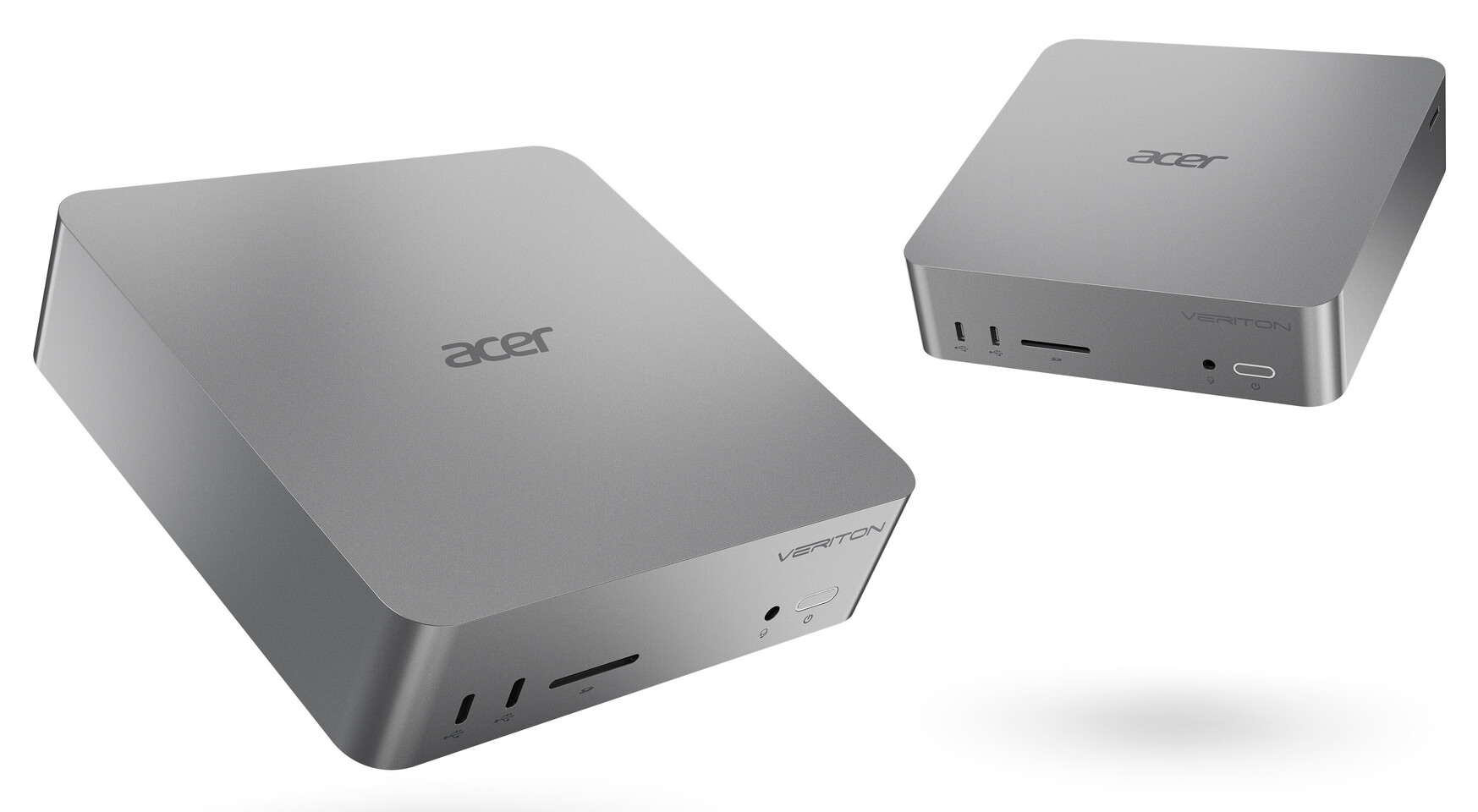
The system runs on a combination of cloud-based processing and edge computing, with support for up to 16GB of RAM and 512GB of storage. It’s built around a custom AI engine that processes requests in under two seconds—a figure that sounds impressive but may not translate into real-world gains without further testing.

Who It’s For
On paper, the tool is aimed at small businesses with limited IT resources, offering pre-built workflows for common tasks like inventory management and customer support. However, the lack of detailed benchmarks means it’s hard to say whether these workflows will hold up under real-world demands. For now, it’s worth watching, but not rushing into adoption without more proof.
- Automates routine tasks with minimal user input
- Cloud and edge computing architecture
- 16GB RAM, 512GB storage
- Custom AI engine for fast processing
The bigger picture is clear: AI is reshaping how businesses operate, but the race for efficiency shows no signs of slowing. Whether this tool can keep pace with competitors—or if it’s just another flash in the pan—remains to be seen.