Google’s latest flagship smartphone, the Pixel 9 Pro, has become the center of an unexpected debate—not over its performance or camera capabilities, but over how repairs are handled. Users report being charged for issues that automated diagnostics later determined did not exist, raising questions about the reliability of Google’s repair system and the broader implications for device ownership.
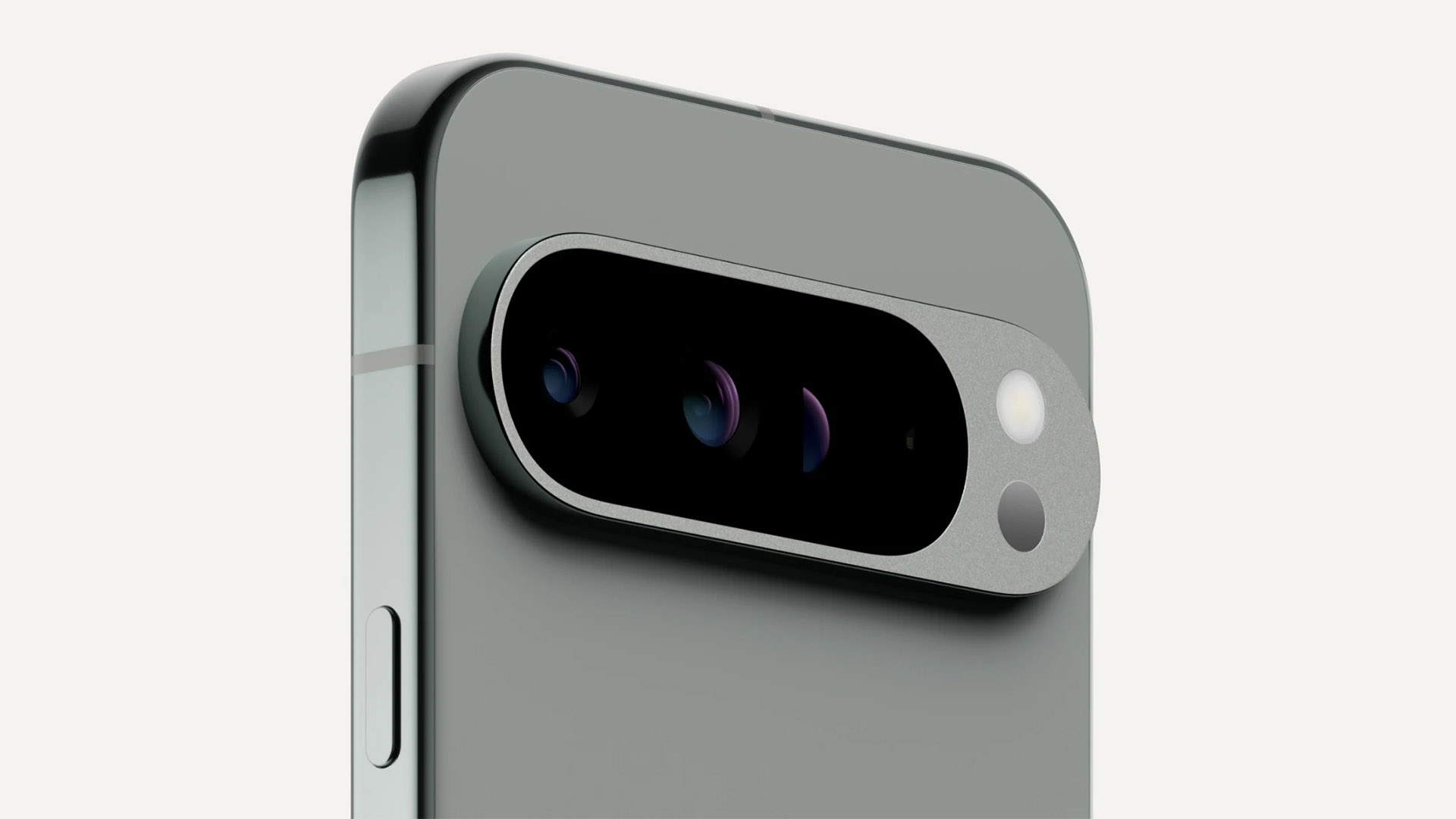
Unlike traditional hardware reviews where specs dominate the conversation, this story shifts focus to the less glamorous but equally important aspect of long-term usability: repairs. The Pixel 9 Pro, with its 12GB LPDDR5X RAM, 280Hz LTPO OLED display, and Snapdragon 8 Gen 3 chip, is a technical marvel on paper. But behind the sleek design lies a potential pitfall for users who rely on Google’s repair ecosystem.
Hardware that checks boxes
- Display: 6.7-inch LTPO OLED with 120Hz refresh rate (280Hz peak)
- Chipset: Qualcomm Snapdragon 8 Gen 3 (4nm process, up to 3.4GHz)
- RAM: 12GB LPDDR5X
- Storage: 256GB/512GB UFS 4.0
- Cameras: 50MP main (f/1.68), 48MP ultrawide, 48MP telephoto (5x optical zoom)
- Battery: 5,250mAh with 30W charging
- Ports: USB-C (USB 3.2 Gen 2), no headphone jack
The Pixel 9 Pro’s hardware is undeniably impressive—fast enough to handle multitasking without breaking a sweat, and the display remains one of the sharpest in its class. But this isn’t about benchmarks; it’s about trust. When Google’s repair system flags an issue that doesn’t exist, users are left with two choices: pay for a repair they don’t need or navigate a process that feels increasingly opaque.
Where the cracks show
The problem stems from Google’s automated diagnostic tool, which scans devices before repairs and sometimes recommends fixes for issues that later prove nonexistent. In one case, a user was charged $490 for a screen replacement that turned out to be unnecessary after further inspection. This isn’t an isolated incident; similar reports have surfaced in tech forums, painting a picture of a system that prioritizes speed over accuracy.
For small businesses or power users who rely on their Pixel 9 Pro for work, this becomes more than just an inconvenience—it’s a financial risk. If diagnostics are unreliable, the cost of repairs can spiral, and the device’s value depreciates faster than expected. The lack of transparency in Google’s repair process only deepens the frustration.
Is it worth the upgrade?
- Best for: Users who prioritize software integration (Google ecosystem) over hardware flexibility
- Watch out for: Potential hidden costs from automated diagnostics; limited repair options outside Google’s network
The Pixel 9 Pro remains a strong choice for those already invested in Google’s ecosystem, but this incident serves as a reminder that platform lock-in isn’t always a one-way street. For businesses or individuals who need more control over repairs and diagnostics, the tradeoffs might not be worth it. The hardware is undeniably capable, but trust—once broken—is hard to rebuild.