For developers building high-performance Windows laptops, the N1X platform from Nvidia represents a potential turning point. The architecture, built around an advanced GPU with up to 768 CUDA cores and clock speeds reaching 2.0 GHz, delivers a performance boost that could bridge the gap between mobile and desktop experiences. However, this leap comes with a critical caveat: its availability is tied to a specific generation of processors, which may limit its immediate impact on the broader market.
Nvidia has positioned the N1X as a solution for laptops targeting professionals who demand both power and portability. The platform integrates a dedicated GPU with up to 24 GB of GDDR6 memory, ensuring smooth rendering, AI workloads, and even gaming on the go. Yet, its reliance on a select group of CPUs—likely from Intel’s 13th Gen or AMD’s Ryzen 7040 series—creates a dependency that could restrict adoption unless OEMs prioritize compatibility.
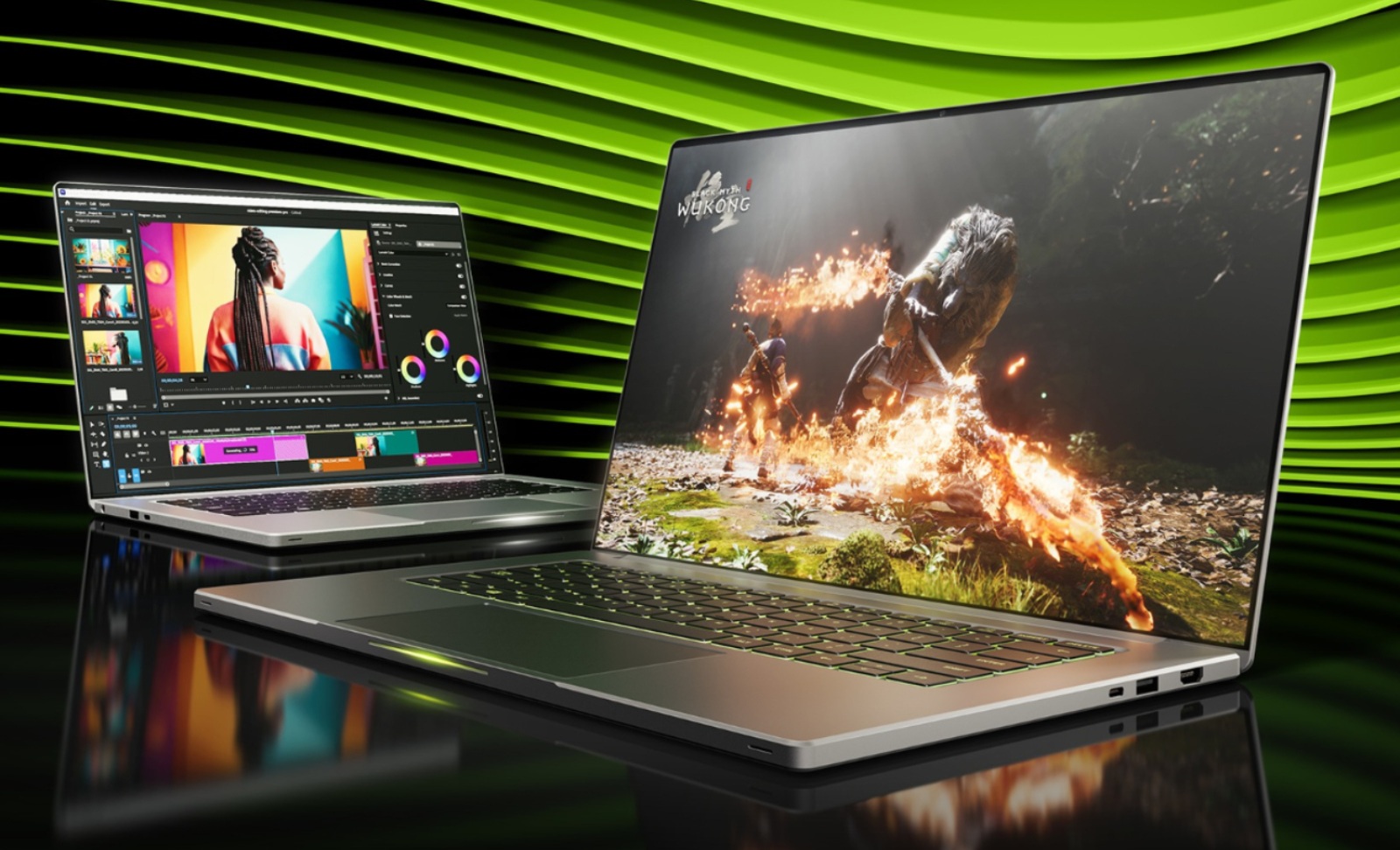
The N1X’s performance metrics are compelling: it delivers up to 5x the graphics processing power of its predecessor, the Nvidia RTX A5000 for laptops. Benchmarks suggest a significant advantage in ray tracing and AI acceleration, which could appeal to developers working on complex visualizations or machine learning tasks. But the tradeoff is clear: without broader CPU support, the platform’s potential may not materialize as quickly as expected.
Looking ahead, the N1X’s success will depend on how aggressively OEMs adopt it and whether Nvidia can expand its compatibility in future revisions. If the current constraints persist, the platform risks becoming a niche offering rather than the broad market shift its performance suggests. Developers should watch for updates on CPU partnerships and potential price points, which could determine whether this is a fleeting innovation or the start of a new standard.