Enterprise buyers evaluating next-generation gaming hardware should brace for extended timelines on Valve’s Steam Machine, Steam Frame, and Steam Controller. While the original target was the first half of 2026, recent updates indicate a shift to a more open-ended 2026 window, reflecting persistent component shortages that have reshaped industry expectations.
The Steam Machine, designed as a semi-custom AMD Zen 4-based system, had been positioned to compete with current-gen consoles. However, the surge in memory and storage prices—driven by AI hardware demand—has introduced uncertainty into its market positioning. Prices for key components like 2TB NVMe SSDs could rise by $100 to $200, directly impacting Valve’s ability to maintain competitive pricing without subsidies.
Key Specifications and Technical Details
- CPU: Semi-custom AMD Zen 4 (6C/12T) with up to 4.8 GHz clock speeds and a 30W TDP
- GPU: Semi-custom AMD RDNA3 (28 CUs) with a max sustained clock of 2.45 GHz and an 110W TDP
- RAM: 16GB DDR5 + 8GB GDDR6 VRAM
- Storage: Two models: 512GB NVMe SSD or 2TB NVMe SSD, both with a high-speed microSD slot
- Display Support: Up to 4K @ 240Hz or 8K @ 60Hz via DisplayPort 1.4; 4K @ 120Hz via HDMI 2.0, with HDR and FreeSync support
- Connectivity: Gigabit Ethernet, dual-band Wi-Fi 6E, Bluetooth 5.3 (dedicated antenna), USB-C 3.2 Gen 2, and two USB-A 3.2 Gen 1 ports
- Power: Internal power supply with AC 110-240V support
The hardware is built around SteamOS 3, an Arch-based operating system optimized for gaming workflows. While the technical specifications remain impressive—particularly in display and connectivity options—the extended timeline raises questions about its competitive edge in a landscape where AI-driven component shortages are still unresolved.
Who Benefits and Who Should Wait
For enterprise buyers, the Steam Machine’s potential lies in its ability to offer a flexible, high-performance gaming platform that integrates seamlessly with Valve’s ecosystem. However, the current delays and pricing pressures suggest that early adopters may need to weigh the risks of investing in hardware that could see further cost adjustments. Those in industries where gaming infrastructure is a critical component—such as digital training simulations or cloud-based gaming services—might find value in waiting for a more stable market environment.
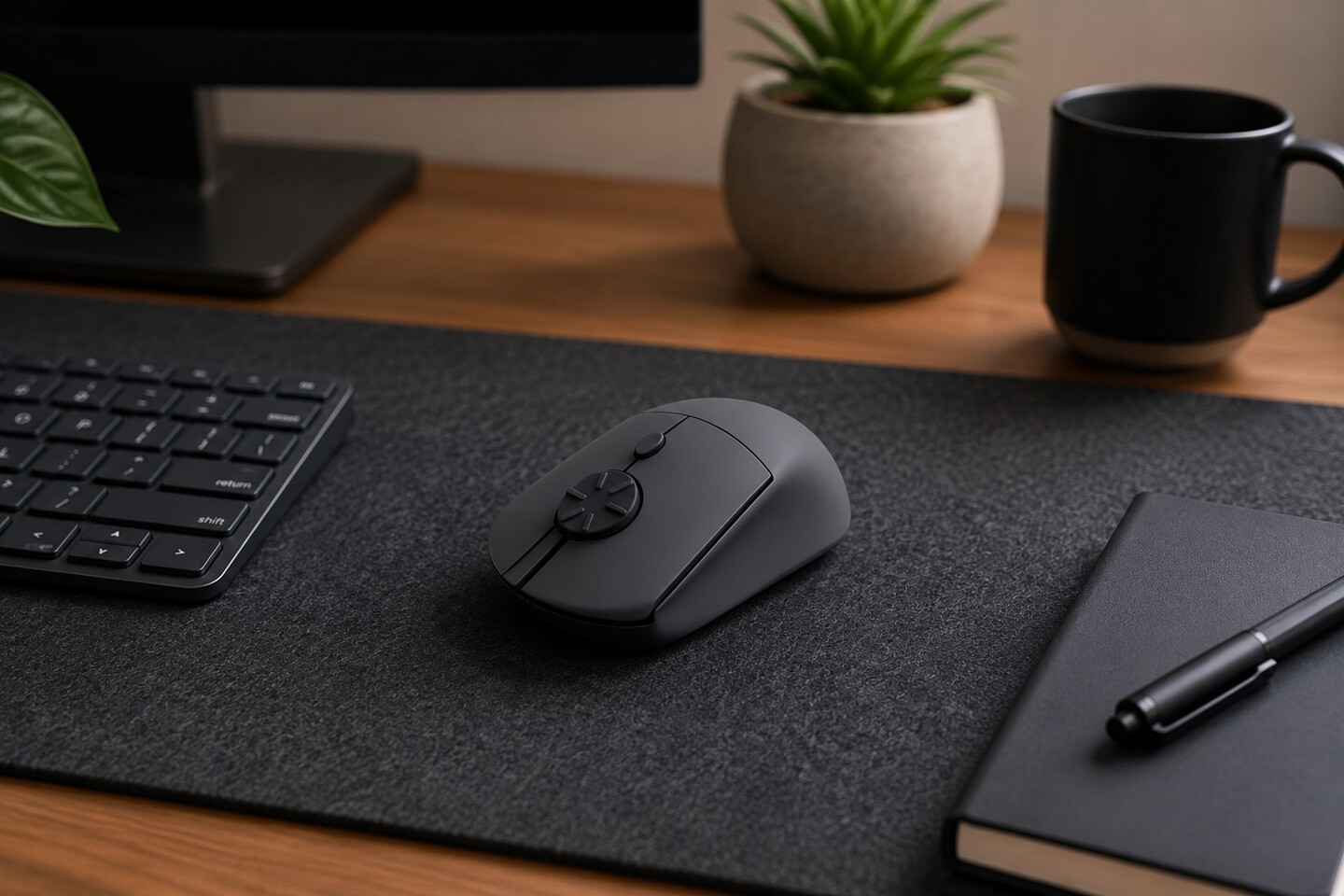
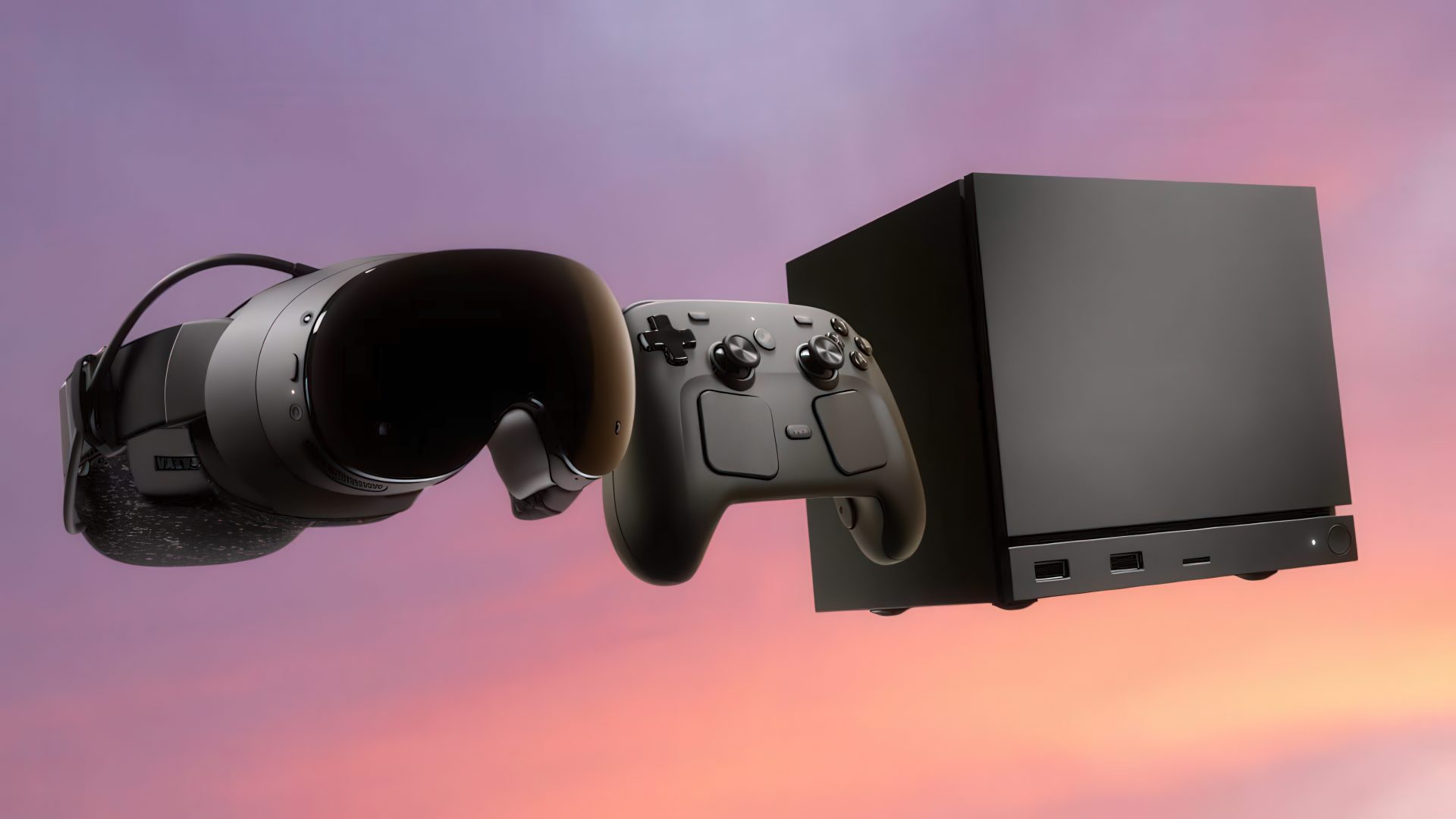
On the other hand, Valve’s commitment to shipping all three products by the end of 2026 signals that it remains focused on delivering its vision. The Steam Controller, with its integrated 2.4 GHz wireless adapter, and the Steam Frame, which enhances display capabilities, are designed to complement the Steam Machine in a cohesive hardware lineup. For now, enterprise buyers should monitor component price trends and Valve’s updates for any further refinements to its roadmap.
The question remains: will the Steam Machine emerge as a viable alternative to established consoles, or will it become another casualty of the AI-driven component crunch? The answer may hinge on how quickly industry supply chains stabilize—and whether Valve can navigate those challenges without compromising its vision.