The Uperfect UFree V arrives as a challenge to the status quo of portable monitors. Unlike traditional screens tethered by cables, it promises true wireless independence—but at what cost? The device’s core appeal lies in its ability to detach from laptops or desktops entirely, yet whether that freedom translates into seamless productivity remains an open question.
On paper, the UFree V checks most boxes for gamers and creatives. It sports a 15.6-inch IPS panel with 1920x1080 resolution, 3K color support (DCI-P3 95%), and HDR10. The wireless link is built on the Uperfect Wireless Display (UWD) protocol, which theoretically delivers up to 72Hz refresh rates over a 10-meter range—though real-world performance will likely depend on environmental factors like interference and heat dissipation.
The monitor’s battery is a mixed bag. A claimed 6-hour runtime under typical use sounds reasonable, but in practice, heavy workloads or high brightness levels could cut that significantly. Meanwhile, the device’s passive cooling system (a single vent) suggests thermal throttling might become an issue during prolonged sessions, especially if placed on soft surfaces like laps.
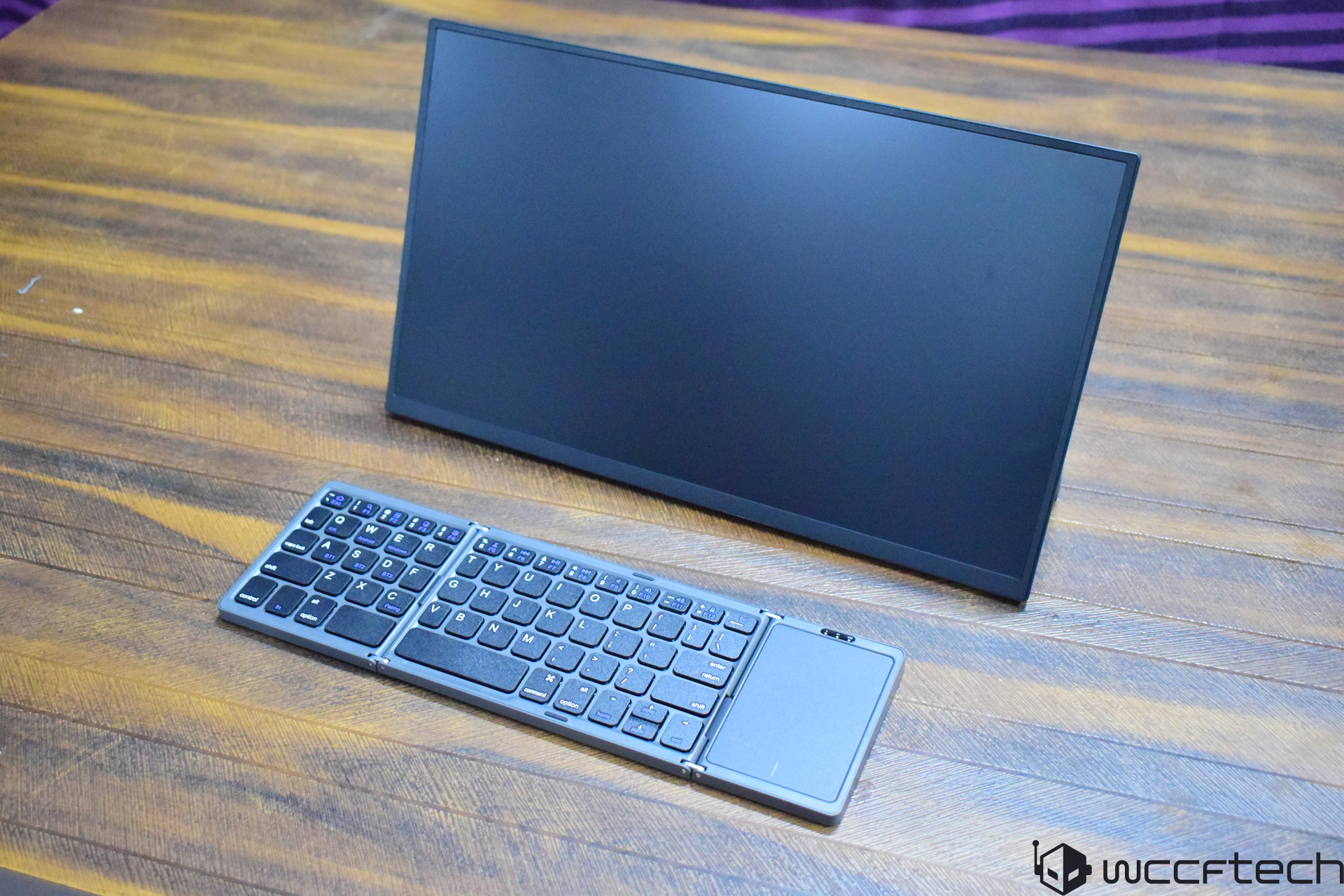
Perhaps the most intriguing aspect is compatibility. The UFree V supports a wide range of input sources—Windows PCs, Macs, iPhones, and even Android tablets via USB-C—without requiring additional dongles for most setups. This versatility could make it a strong contender for users who juggle multiple devices, but whether the wireless latency remains snappy enough for tasks like video editing or fast-paced gaming is another variable to watch.
For now, the UFree V feels like a stepping stone rather than a final destination. It proves that true wireless monitors are viable, but it also exposes the tradeoffs: battery life vs. performance, heat vs. portability. Gamers and creatives may find it useful for light tasks or on-the-go presentations, but power users will likely still need wired connections for demanding workloads.