The team behind the upcoming Atomic Heart 2 is adopting a radical new strategy that could redefine how indie games are built. This shift comes after recognizing that earlier technical choices created unnecessary barriers, limiting creativity and player access. The goal this time is to design systems that work seamlessly across platforms while maintaining the game's ambition.
Atomic Heart 2 will be developed with cross-platform compatibility as a core principle, unlike its predecessor which was constrained by hardware-specific requirements. This means players won't be locked into one ecosystem, and the team can focus on refining gameplay without worrying about platform limitations. Modular design is also a key component, allowing for more efficient development while preserving creative freedom.
Simultaneously, The Cube MMO is being engineered to blend single-player depth with multiplayer dynamics in a way that scales effortlessly. The challenge lies in creating an architecture that doesn't compromise performance or player engagement, regardless of whether the game is played solo or with others. This requires balancing technical efficiency with creative risk-taking, a delicate act many MMOs struggle with.
For indie developers, this approach signals a broader trend toward platform independence—not just as a way to avoid exclusivity deals, but as a strategy to future-proof projects against rapidly changing hardware and market demands. The team's focus on efficiency without sacrificing innovation will be tested, but it could set a new standard for how games are built.
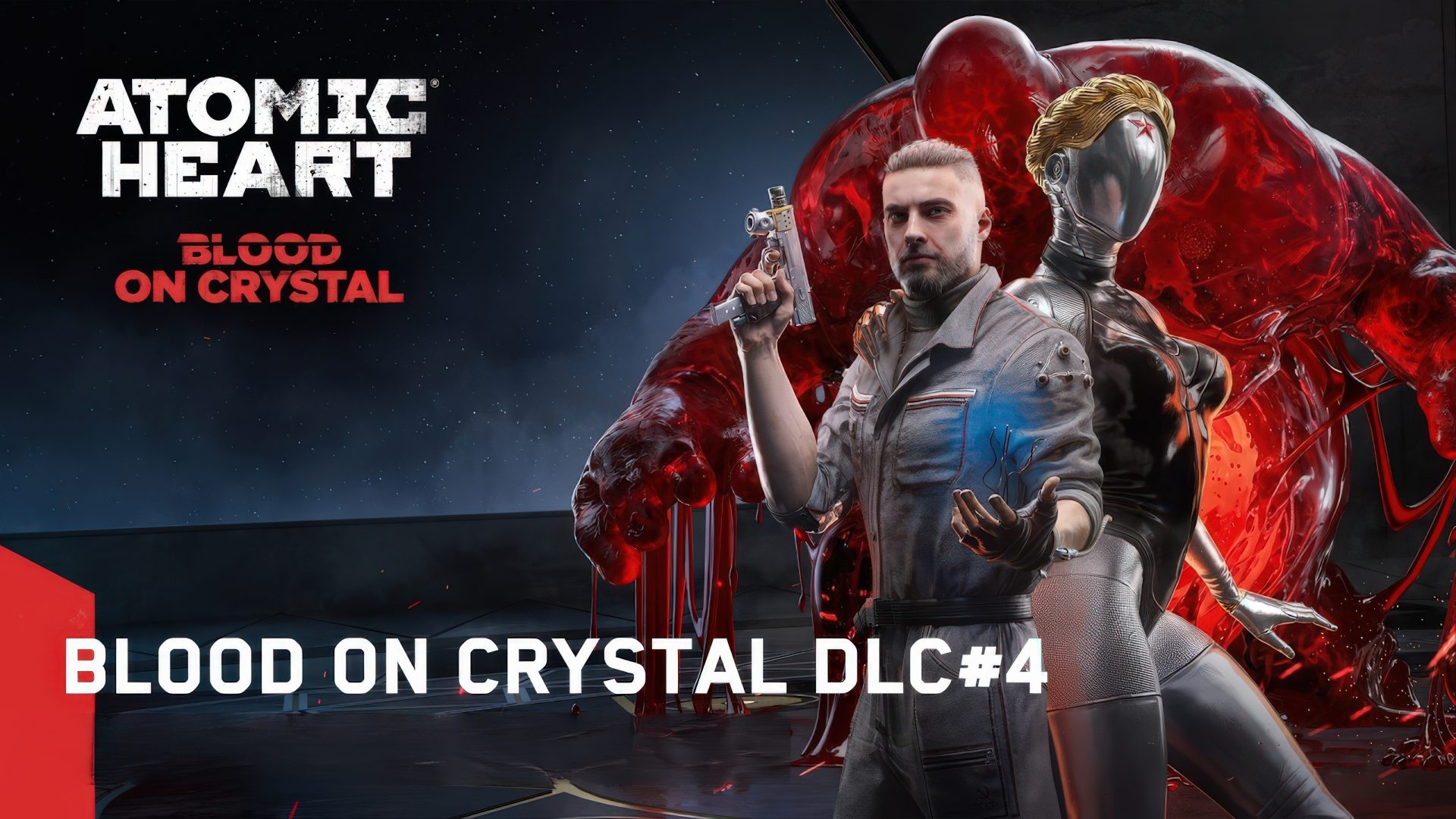
Gamers may see fewer platform-related restrictions in the future, with more titles adapting to their preferences rather than forcing them into rigid frameworks. However, the question remains: Can this shift maintain the performance and polish expected in modern gaming? The team is determined to prove it can, but success will depend on both technical execution and learning from past challenges.
The next phase of development is still early, but the direction is clear. Atomic Heart 2 will prioritize cross-platform compatibility and modular design, while The Cube MMO will focus on scalable architecture that supports both single-player and multiplayer experiences without sacrificing quality. This isn't just about correcting past mistakes—it's about redefining what it means to build a game in an industry where technical choices can make or break a project.
The lessons from Atomic Heart are already influencing how indie developers approach similar challenges, serving as a model for balancing creativity with pragmatism. The future of these projects will depend on their ability to execute this vision while pushing the boundaries of what's possible in game development.