The era of cramming multiple high-performance GPUs into a single server rack is drawing to a close. What once seemed like an overengineered solution—liquid cooling, dedicated power feeds—is now the baseline for AI training clusters. The problem isn’t just heat; it’s economics. Electricity costs that once were a line item in budgets are now a dominant factor, pushing hyperscalers toward custom ASICs that promise to deliver the same computational power with far less energy consumption.
NVIDIA has long been the default choice for AI acceleration, thanks to its dominance in software stacks like CUDA and its ability to push performance boundaries. But as workloads become more complex—larger models, higher throughput demands—the power efficiency of even its latest GPUs is being scrutinized. Custom ASICs, often built around specialized architectures like tensor cores, can deliver 2x to 3x better power efficiency in inference tasks, a critical advantage when electricity costs run into millions per month.
The Assumptions vs. The Reality
People might assume that custom ASICs are a full replacement for GPUs, but the reality is more nuanced. NVIDIA remains essential for many AI workloads, particularly those that rely on its software ecosystem or need flexibility in deployment. However, the gap between GPU-based and ASIC-based solutions is closing rapidly. The trade-off isn’t just about power; it’s about control. Hyperscalers designing their own silicon can optimize every aspect of performance, from thermal output to latency, without relying on third-party hardware constraints.
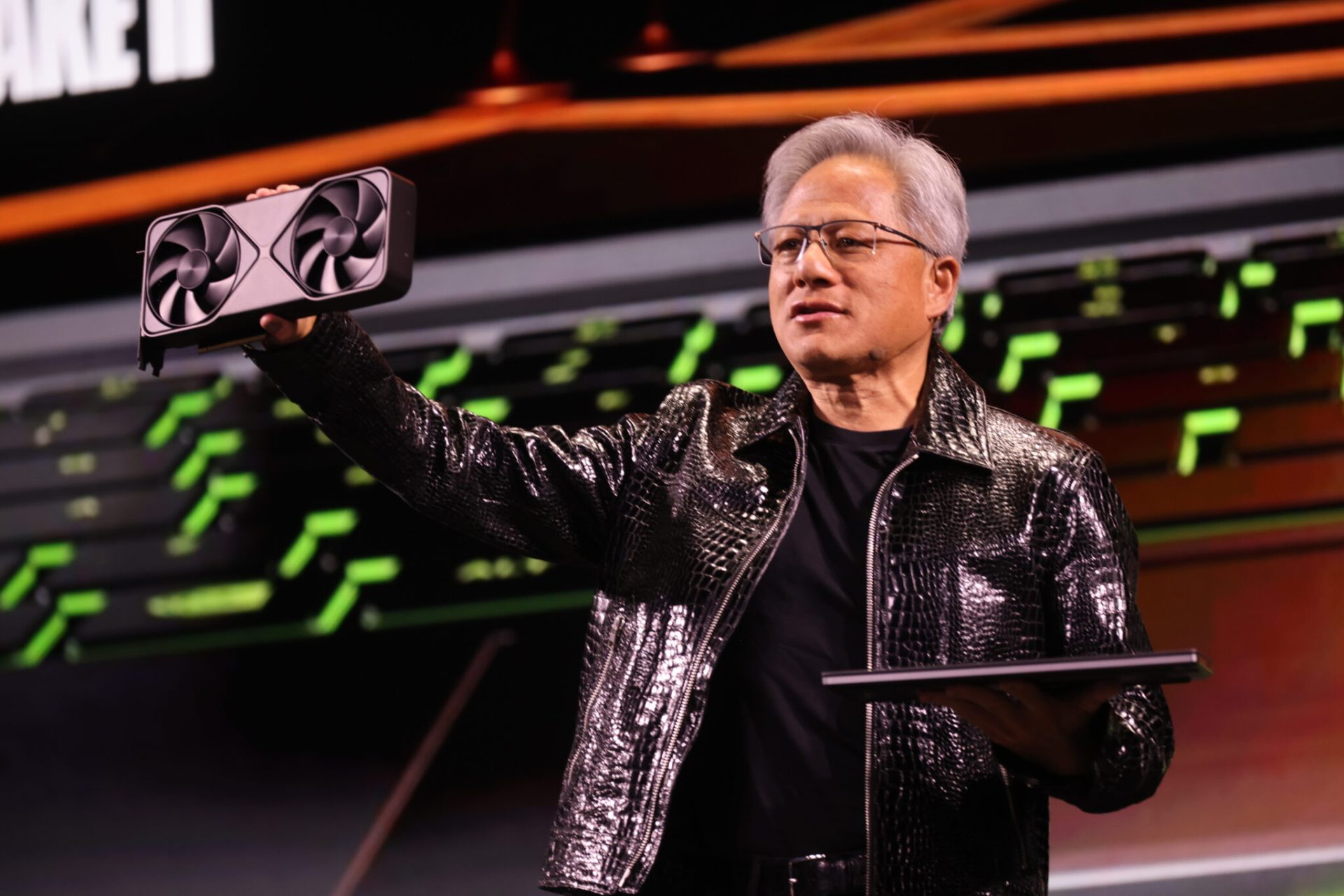
- Power consumption: An NVIDIA H100 GPU can draw up to 700 watts under full load, while a custom ASIC for the same workload may operate at half that power or less, with minimal performance loss.
- Cooling complexity: Liquid cooling, once seen as an extreme measure, is now standard. But even these systems struggle with densely packed GPU clusters. Custom silicon reduces heat output significantly, easing data center design and operational overhead.
- Software compatibility: NVIDIA’s CUDA and AI Enterprise suite still dominate, but hyperscalers are developing their own frameworks to run on custom hardware, reducing dependency risks while gaining more control over their stack.
The catch? Custom ASICs aren’t a plug-and-play solution. They require deep in-house expertise in chip design, which only a handful of hyperscalers currently possess. The learning curve is steep, and the upfront costs—while lower than scaling GPU clusters—can still be prohibitive for smaller players. Meanwhile, NVIDIA continues to innovate, with rumored next-generation architectures promising even better efficiency. The question isn’t whether custom ASICs will replace GPUs; it’s how quickly they’ll become a standard option in data centers.
The Early Movers and the Cautious Adopters
Early adopters of custom ASICs are typically hyperscalers with massive scale and the resources to invest in silicon design. These companies are targeting specific workloads—often inference-heavy tasks like recommendation engines or large-language-model serving—where efficiency gains translate directly into cost savings. For them, the trade-off is clear: higher upfront complexity for long-term operational savings.
For others, the transition is more cautious. Many hyperscalers are starting with hybrid approaches, mixing custom ASICs for high-volume tasks while relying on NVIDIA GPUs for flexibility and software support. This creates a fragmented landscape where no single solution dominates, but where the pressure to optimize power efficiency is undeniable.
The shift isn’t about abandoning NVIDIA entirely; it’s about diversifying hardware choices to meet evolving demands. Custom ASICs are still a niche play, but their momentum suggests they’ll become a standard option for hyperscalers with the scale to justify them. For IT teams evaluating hardware, the key question remains: How much of your workload can tolerate custom silicon, and how quickly will the ecosystem catch up? The answer will define the next phase of AI infrastructure.