Subnautica 2’s underwater world is built around exploration and survival, not combat. Yet players have loudly demanded the ability to fight back against the game’s most persistent threat: fish that swarm, disorient, and disrupt progress.
The developers behind Unknown Worlds acknowledge the frustration but refuse to add combat mechanics. This stance raises a question: how much should player expectations shape a game’s design when the core experience is already set?
On one hand, Subnautica 2 delivers what it promises—a deep, atmospheric dive into an alien ocean. On the other, it forces players to adapt rather than engage in the way they might prefer.
The tension between player desire and developer intent is a growing theme in modern game development, especially as AI and procedural generation push boundaries on how games evolve. Subnautica 2’s approach—prioritizing immersion over combat—offers a case study in balancing creativity with player feedback without compromising vision.
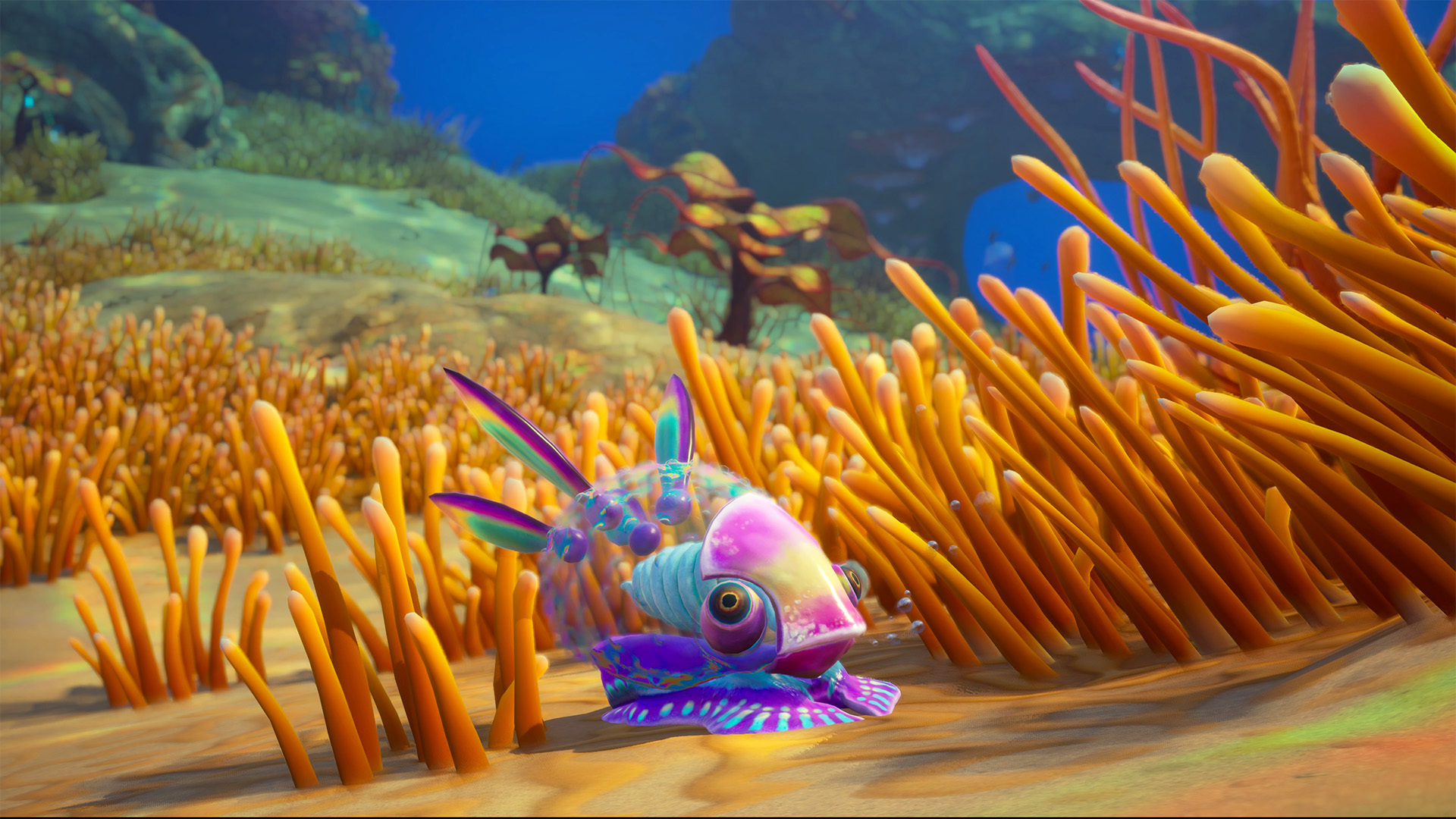
At its core, the game remains about discovery. The alien world of Talos II is rich with bioluminescent flora, deep-sea creatures, and environmental hazards that challenge survival skills rather than reflexes. Players must navigate currents, manage resources, and survive without traditional combat systems. Yet the fish—particularly the aggressive species like the Electric Eel and the Leviathan—have become symbols of frustration, standing in the way of progress.
Unknown Worlds has not ruled out future updates or expansions that might introduce new mechanics, but for now, the focus is on refining what already exists. This includes improving AI behavior, expanding the underwater ecosystem, and deepening the narrative without altering its fundamental design philosophy.
The game’s refusal to add combat isn’t just about sticking to a vision; it’s also about defining what makes Subnautica 2 unique in an era where player demands often dictate development. As AI tools become more advanced, games can adapt dynamically—but Subnautica 2’s team is choosing a different path.
For power users and developers alike, this raises broader questions: How much should player wishes shape a game’s evolution? And when does creative integrity become a barrier to engagement? The answer may lie in how well the game delivers on its core promise—even if that means swimming against the current.