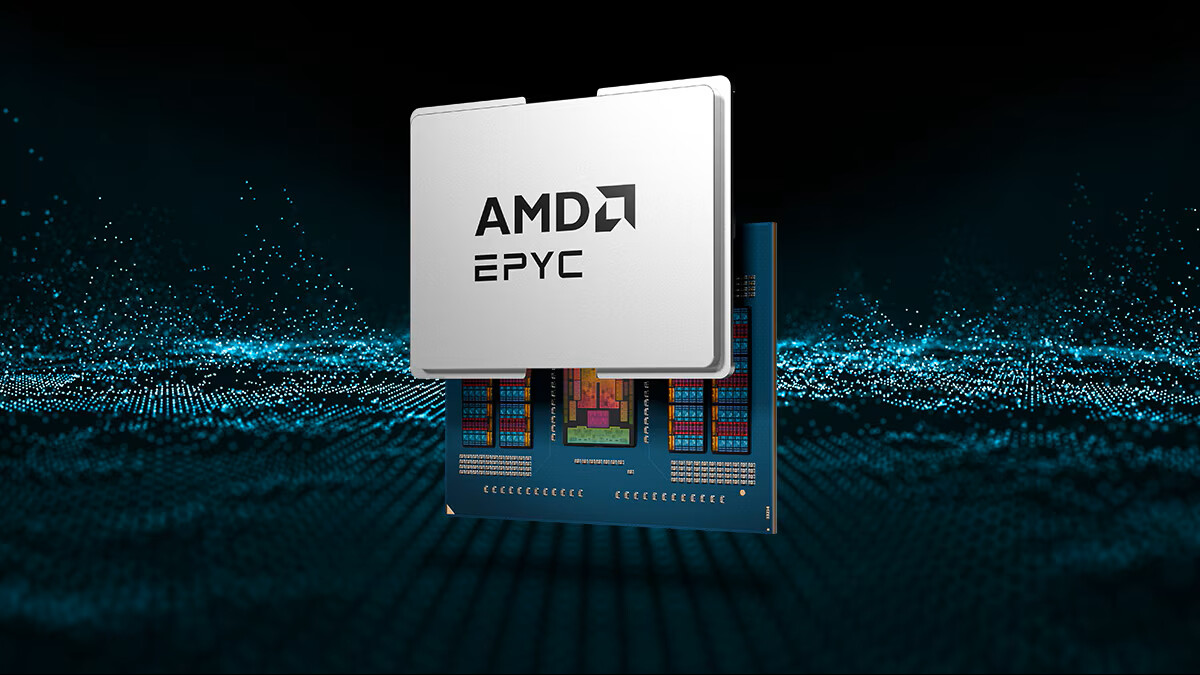
Data center managers expecting a straightforward Zen 5c transition will find the EPYC 8005 Sorano series delivering something far more disruptive: an all-out Zen 5 stack that undercuts Intel's Xeon by nearly 91% in integer performance while packing up to 84 full Zen 5 cores.
What looks like a clean upgrade path is actually a pivot away from the anticipated Zen 5c hybrid design, forcing IT teams to weigh immediate cost savings against long-term compatibility risks. The move signals AMD's intent to dominate high-density workloads where core count and raw throughput matter more than power efficiency.
The Sorano series arrives with a clean-sheet approach that challenges conventional assumptions about how many cores modern enterprise applications truly need. While enthusiasts will focus on the record-breaking 84-core variant, everyday users in mid-range deployments may find the sweet spot lies much lower—around 32 to 64 cores—where price-to-performance becomes far more relevant.
At its core, the Sorano series replaces what would have been a Zen 5c hybrid architecture with a pure Zen 5 design. This means no efficiency cores, no performance-per-watt tradeoffs, and a uniform experience across all variants. The result is a platform that delivers sustained clock speeds of up to 3.4 GHz while maintaining a TDP range from 200W to 320W, depending on the model.
For IT teams running workloads like batch processing or large-scale databases, this shift could mean faster completion times without the need for complex core allocation strategies. A user managing a high-throughput analytics cluster would notice smoother performance during peak loads, as the lack of efficiency cores eliminates potential bottlenecks in multi-threaded tasks.
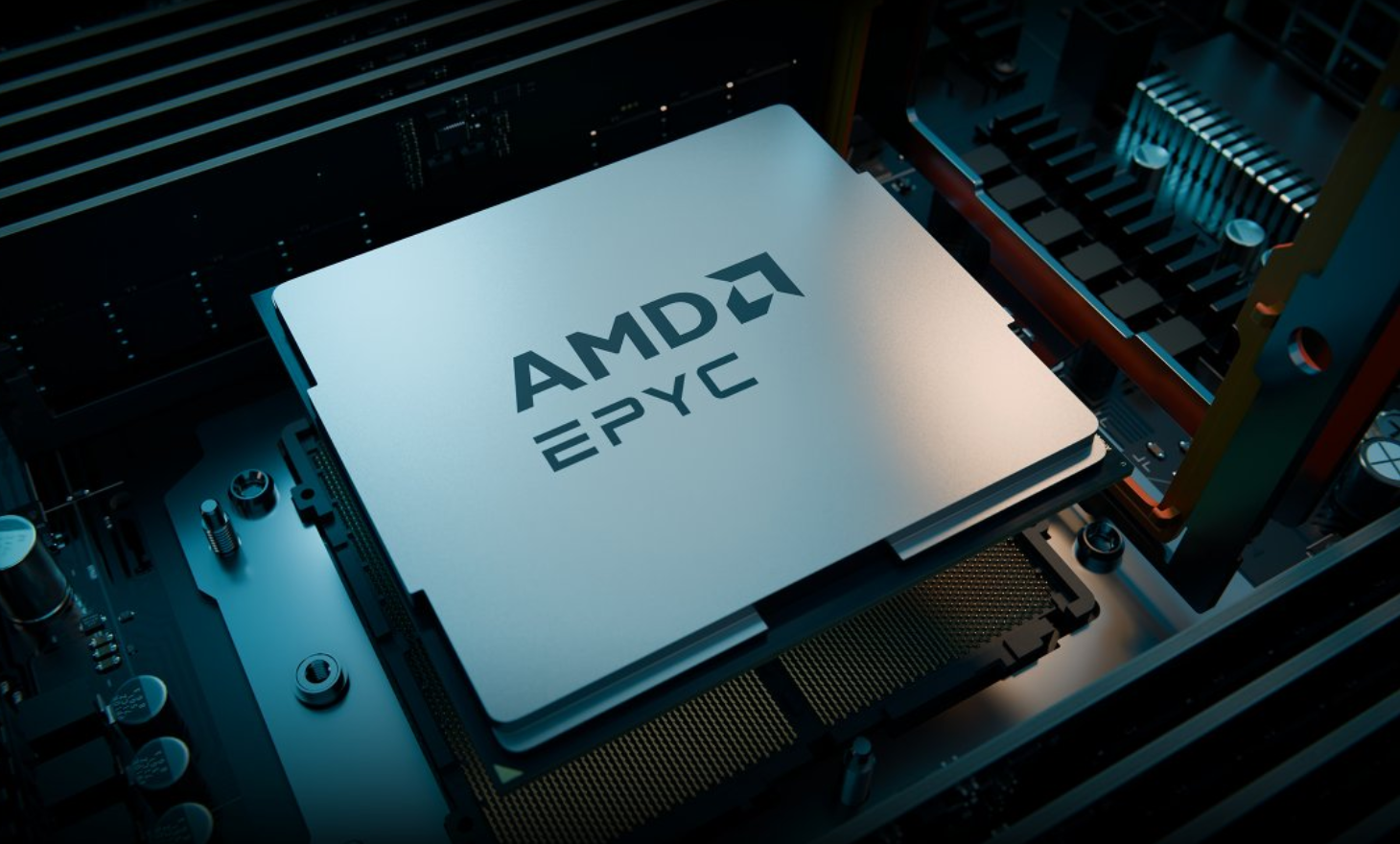
But the absence of Zen 5c cores introduces new constraints. Applications optimized for hybrid architectures may see reduced power efficiency, and future-proofing becomes a concern if Intel or other vendors double down on efficiency-focused designs. The Sorano series is built on AMD's SP5 socket, ensuring compatibility with existing EPYC-based infrastructure, but the lack of backward compatibility with newer Zen 5c-based systems could leave some teams hesitant to upgrade.
Pricing starts at $4,990 for the 32-core model and scales up to $16,890 for the 84-core variant. Compared to Intel's equivalent Xeon offerings, this represents a significant cost advantage, especially in high-core-count configurations where price can be a major barrier.
Where things stand now: The Sorano series is a clear winner for IT teams prioritizing raw performance and core count over power efficiency or hybrid flexibility. For those already invested in Zen 5c-based systems, the transition may require careful evaluation of application compatibility and long-term roadmap alignment. Enthusiasts will appreciate the bold move away from hybrid designs, but everyday users should focus on whether their workloads can truly leverage the full potential of 84 cores—or if a mid-range variant offers better value without unnecessary complexity.