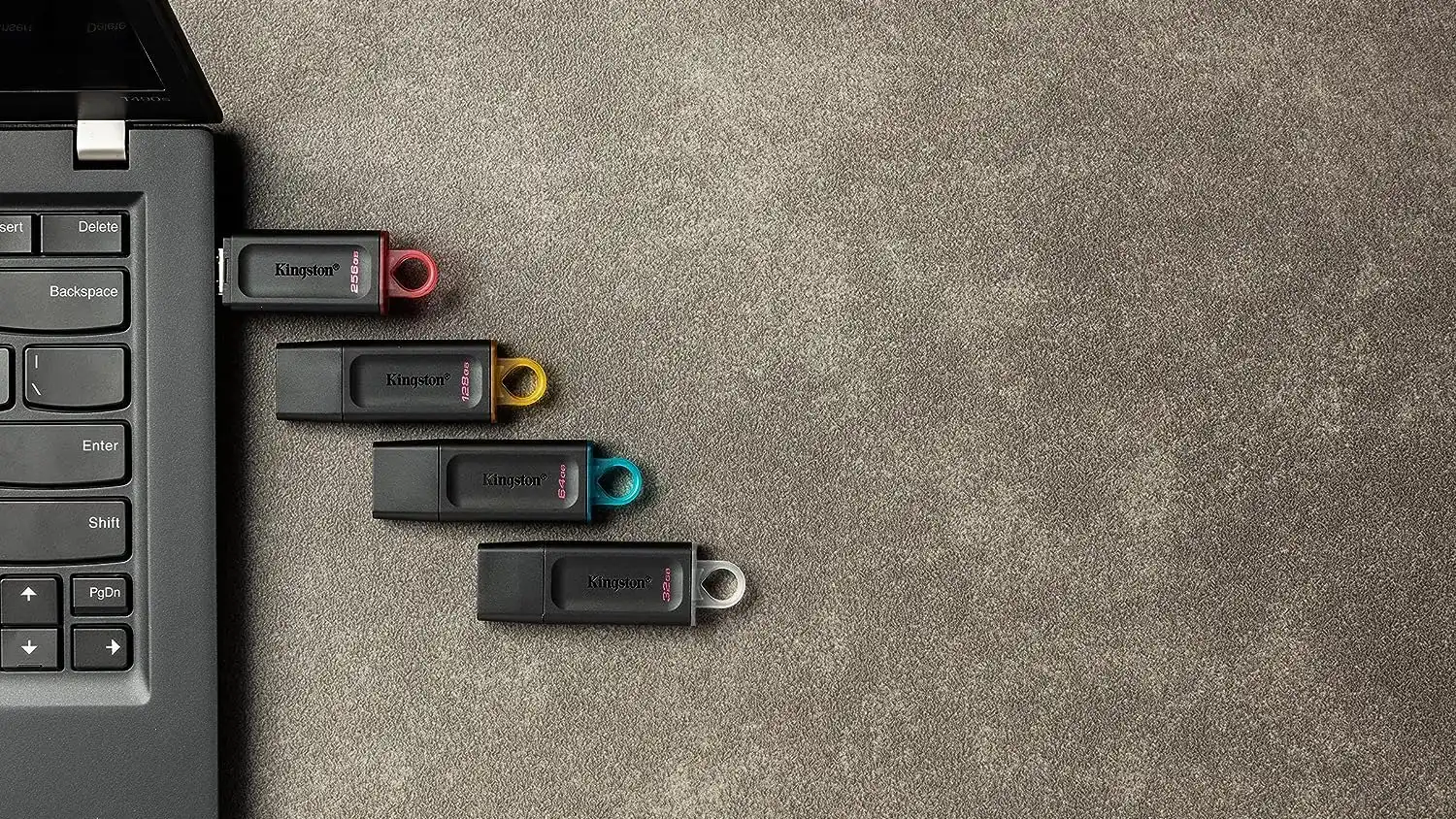
A 128 GB USB flash drive can hold thousands of photos or hours of 4K footage, yet its actual lifespan is dictated by how many times you write data to it—something most buyers never check before purchase.
Manufacturers rate drives in terabytes written (TBW), a number that tells you how much raw data the NAND flash can handle before cells wear out. A 128 GB drive might carry a 30 TBW rating, but if you use it for daily backups or video rendering, those cells will fatigue far faster than if you stick to occasional photo transfers.
In practice, a 64 GB USB-C flash drive with a 50 TBW rating can last two years of light photo backups—around 1.2 TB written per month—but the same drive will drop to six months if you’re editing large video files every day. The difference isn’t just in the numbers; it’s in how users push the hardware, turning a simple accessory into a short-lived tool or a long-term companion.
How endurance ratings translate
Endurance is measured in terabytes written (TBW), not gigabytes. A 128 GB drive rated at 30 TBW can survive roughly
- Two years of light photo backups (≈ 1.2 TB written per month)
- Six months of video editing (≈ 4–5 TB written per month)
The key is write cycles: each time you save a file, the NAND cells flip between states. After 3,000–10,000 flips per cell, they wear out—so high-capacity drives with more cells last longer even if rated in TBW.
Who wins and who waits
Enthusiasts using USB-C drives for 4K video or raw photo backups will notice the difference within a year. Casual users treating the same drive as a travel stick for documents or music may never hit the endurance limit, provided they avoid aggressive overwrite patterns.
Drives with higher TBW ratings—like those rated at 100 TBW—extend the window but don’t eliminate the tradeoff: more capacity means more cells, but each cell still has a finite lifespan. The practical takeaway is simple: if you’re writing large files daily, a 256 GB drive with a 100 TBW rating buys you roughly twice the time of a 128 GB model at 30 TBW.
What to watch
Availability and pricing for high-endurance drives are improving, but the core constraint remains: write cycles. Buyers who ignore TBW ratings risk replacing drives prematurely; those who factor it in gain a clear edge—especially when editing or archiving heavy workloads.