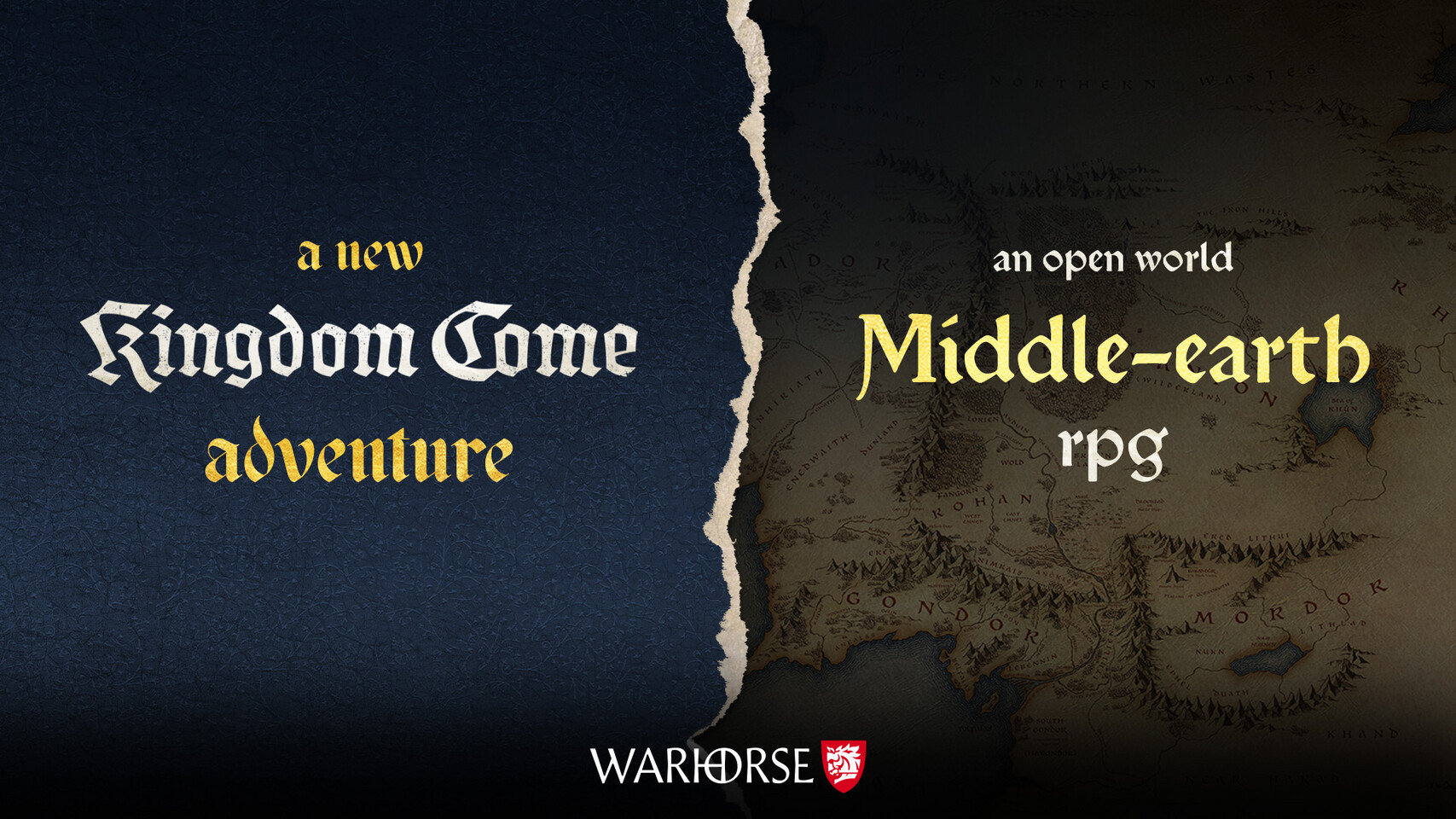
Warhorse Studios is expanding its presence in the gaming world with two major projects set in the Middle-earth universe. The first is an open-world RPG that promises to redefine player exploration and storytelling within Tolkien's legendary setting. The second project is a new adventure in the Kingdom Come series, building on the historical depth and narrative richness established by previous titles.
These announcements come at a time when Warhorse is under scrutiny for its approach to game development, particularly regarding the use of AI tools. While the studio has emphasized its commitment to human creativity, recent reports suggest internal changes that may challenge those claims. The new projects will need to navigate these complexities while delivering on the high expectations set by their predecessors.
Open-World RPG: A New Era for Middle-earth
The open-world Middle-earth RPG is poised to offer players an unparalleled experience, blending vast landscapes with deep narrative choices. Unlike previous titles in the series, this project will focus on player freedom, allowing for non-linear storytelling and dynamic world interactions. This shift could attract both long-time fans of Middle-earth and new players drawn to the open-world genre's flexibility.
Kingdom Come Deliverance 3: Continuing a Legacy
The second project is a direct sequel to Kingdom Come Deliverance 2, promising to further refine the series' signature blend of historical accuracy and immersive gameplay. While details remain scarce, industry experts anticipate a continuation of the series' focus on character-driven narratives set against meticulously recreated historical backdrops. This project may also explore new mechanics or settings, potentially expanding the franchise's appeal beyond its core audience.
Development Challenges and Industry Context
The announcement follows reports of internal changes at Warhorse Studios, including the alleged replacement of human translators with AI tools. While the studio has publicly distanced itself from such practices, these claims raise broader questions about the gaming industry's reliance on emerging technologies. The success of these new projects will depend not only on their creative execution but also on how they address these evolving development challenges.
Key Specs and Features
- Open-World RPG:
- - Vast, dynamically generated landscapes inspired by Middle-earth's lore.
- - Non-linear storytelling with player-driven narratives.
- - Deep character customization and role-playing mechanics.
- - Multiplayer and cooperative elements for shared experiences.
- Kingdom Come Deliverance 3:
- - Historical accuracy with a focus on late medieval Europe.
- - Enhanced combat and survival mechanics.
- - Expanded narrative options and player agency.
- - Potential new settings or time periods to explore.
The open-world RPG will likely cater to players seeking expansive, flexible experiences, while Kingdom Come Deliverance 3 may appeal more to those who appreciate the series' historical depth and narrative complexity. Both projects will need to balance innovation with the expectations set by their predecessors, ensuring they meet the high bar for Middle-earth's gaming legacy.
Market Reaction and Future Outlook
Industry observers are closely watching how Warhorse Studios addresses recent controversies while delivering on its ambitious projects. The open-world RPG could redefine player expectations for Middle-earth games, while Kingdom Come Deliverance 3 will need to build upon the series' established strengths. Success in these areas could solidify Warhorse's position as a leader in narrative-driven gaming.
The next few years will be critical for both projects, with development likely to face challenges from both creative and technical standpoints. If executed well, these games could set new benchmarks for open-world RPGs and historical simulations alike.