The era of single-threaded supremacy in AI hardware is ending. What was once a battle for raw speed between GPUs is now becoming a race for sheer scale, with core counts poised to explode as agentic AI workloads demand unprecedented parallelism. For enterprise buyers, the question isn’t just whether Intel can keep pace—it’s how quickly AMD and Arm-based designs will reshape the market, forcing cost tradeoffs that could redefine data center economics.
Intel has long been the king of x86, but its position is under pressure. The shift toward agentic AI—systems that act autonomously without constant human oversight—demands architectures capable of handling massive numbers of concurrent operations. Analysts estimate core counts per GPU could jump by as much as five times in the coming years, a seismic change that will favor designs optimized for parallel processing over those built around legacy x86 efficiency.
What’s Changing: The Core Count Surge
- Core Density: Next-generation GPUs are expected to support hundreds or even thousands of cores, up from the dozens seen in today’s high-end models. This isn’t just about raw numbers—it’s about how those cores are distributed across compute units (CUs), memory hierarchies, and power envelopes.
- Memory Bandwidth: HBM3/HBM4 stacks will become standard, with bandwidth exceeding 1.5 TB/s per GPU. This is critical for agentic AI workloads, where large models require sustained data throughput to avoid bottlenecks.
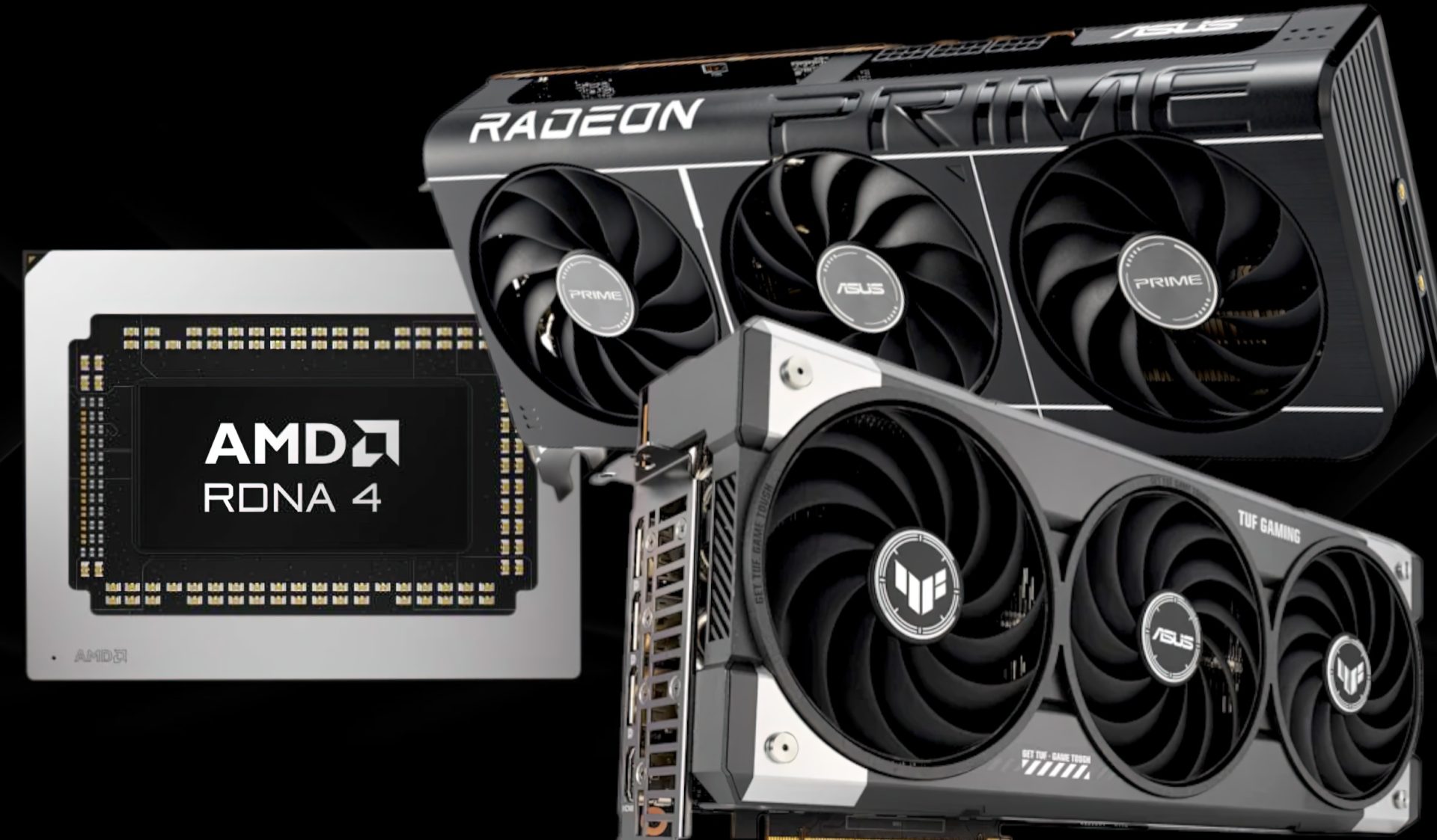
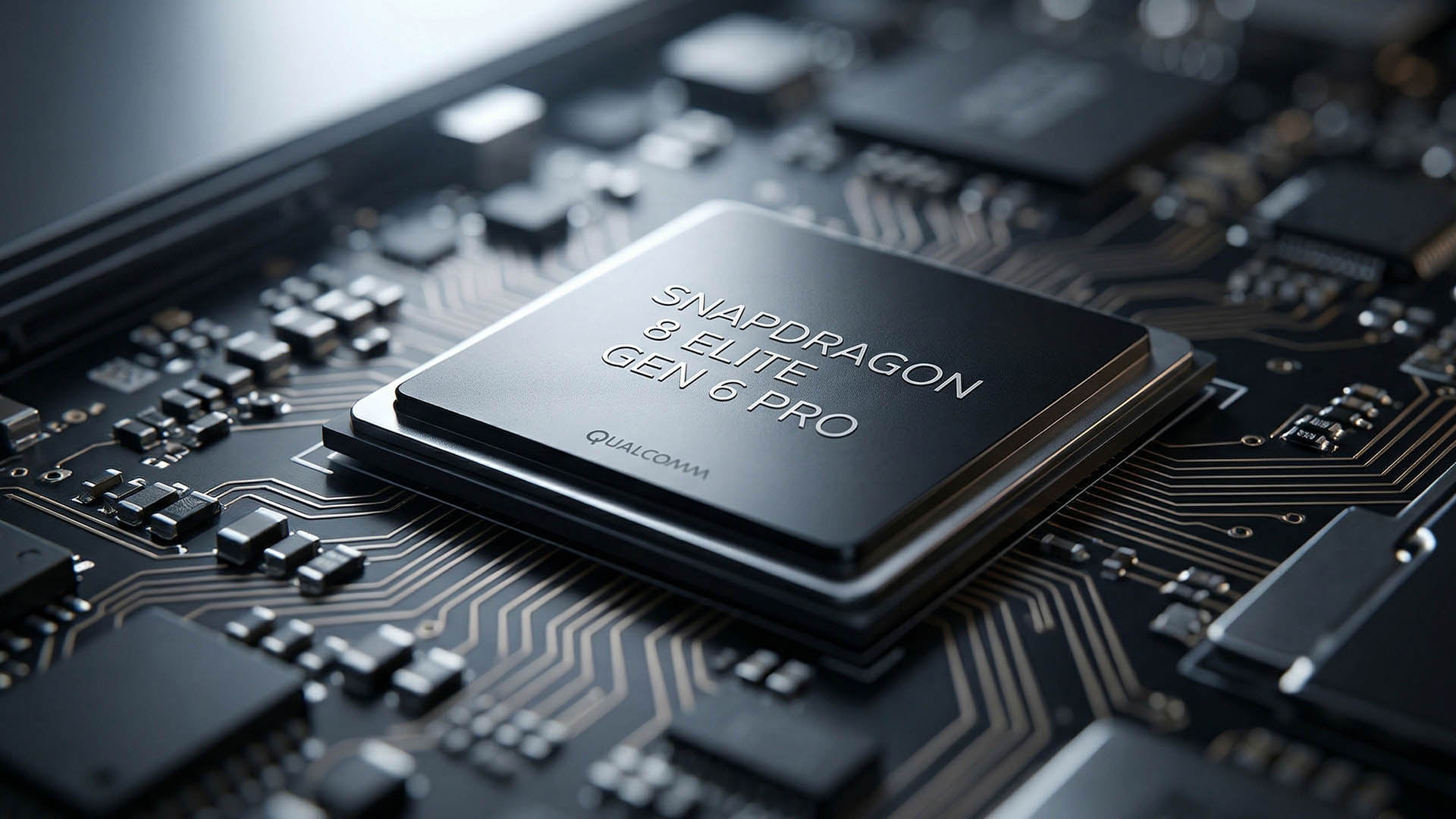
- Power Efficiency: AMD’s RDNA 4 architecture and Arm-based designs (like those from Qualcomm or future Intel/Arm collaborations) are expected to offer better power-performance ratios than traditional x86 GPUs, potentially reducing operational costs for large-scale deployments.
The implications are clear: enterprises running agentic AI workloads will soon face a choice. Do they double down on Intel’s x86 ecosystems, risking higher power draw and thermal management challenges? Or do they pivot to AMD or Arm-based solutions, accepting potential compatibility tradeoffs for better scalability?
Who Benefits (and Who Doesn’t)
- Early Adopters: Companies already experimenting with agentic AI—such as autonomous systems in robotics or real-time analytics—will see immediate benefits from higher core counts. These workloads thrive on parallelism, so the jump to multi-thousand-core GPUs could cut latency by orders of magnitude.
- Legacy Systems: Enterprises relying on monolithic x86 architectures may find themselves at a disadvantage. Migrating to newer designs will require not just hardware upgrades but also software and driver overhauls, adding complexity and cost.
The practical impact for end users is subtle but significant. A developer working with agentic AI models might notice smoother training loops—less stuttering, fewer pauses—as core counts rise. But the real cost isn’t just in performance; it’s in operational spend. A GPU that delivers 5x more cores may also draw 2-3x more power, forcing data center managers to rethink cooling and power budgets.
The Market Shift: What’s Next?
Intel’s response will be critical. While the company has made strides in AI acceleration with its Arc GPUs and upcoming Battlemage architecture, it remains tied to x86 heritage—a strength in some domains but a liability when raw core density is the priority. AMD, meanwhile, has already shown it can compete on performance-per-watt, and Arm’s push into data center-grade chips could open new avenues for efficiency.
The timeline for this shift isn’t set in stone, but the trend is undeniable. Core counts will climb, memory bandwidth will saturate, and power constraints will tighten. For enterprise buyers, the message is simple: start planning now. The AI chip landscape won’t just evolve—it’ll transform, and those who wait may find themselves playing catch-up in a market that moves faster than ever before.