Apple’s long-standing reliance on TSMC for chip production is being tested by a quiet but significant shift in strategy. The company is quietly engaging with both Intel Foundry and Samsung Foundries to manufacture some of its Apple Silicon chips, a move that could reshape its supply chain while introducing new technical tradeoffs—higher performance at the cost of longer development cycles.
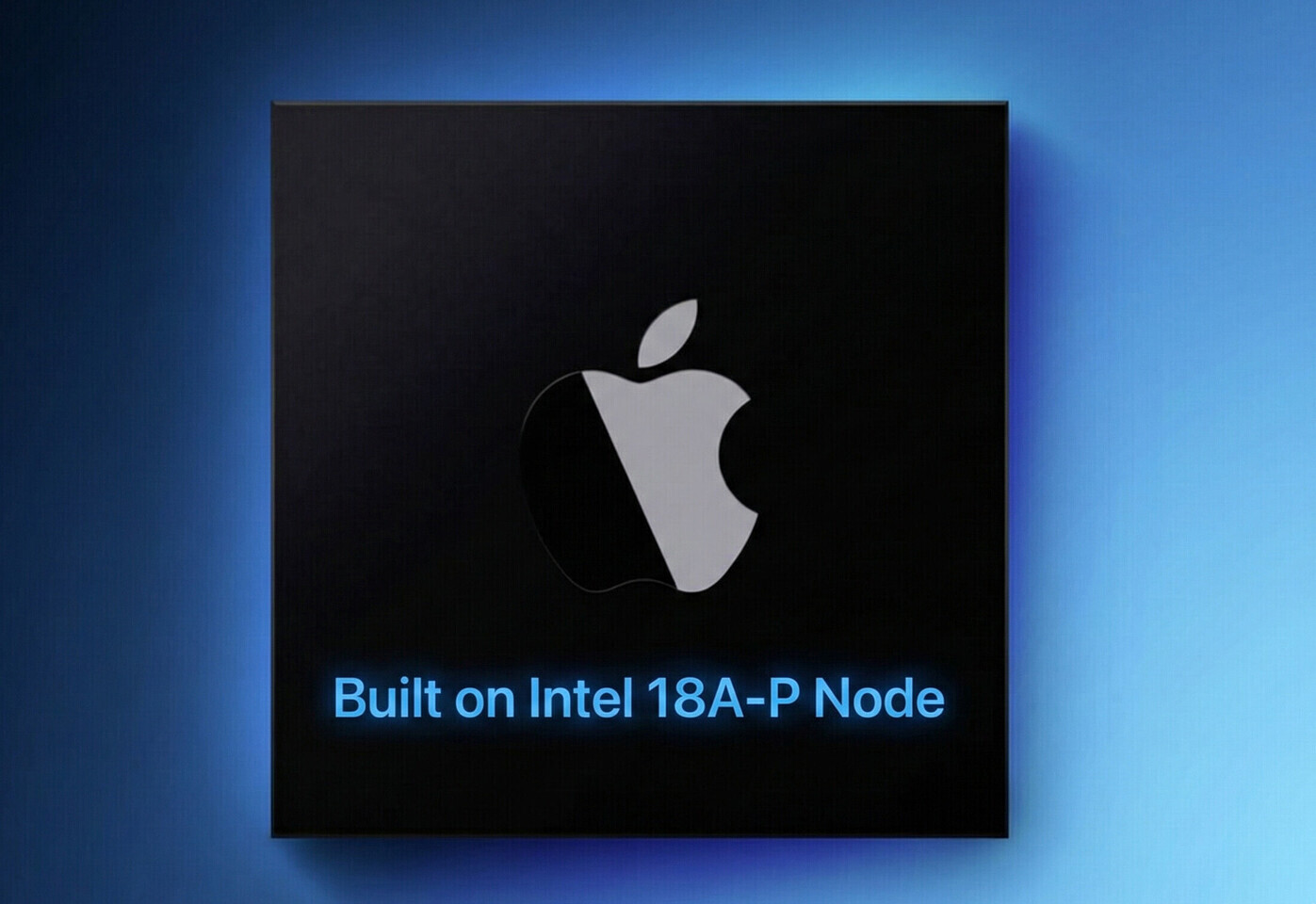
Intel’s 18A-P process node has emerged as a key contender. Reports suggest Apple is evaluating version 0.9.1 of Intel’s PDK, with performance metrics aligning closely with its needs: up to 9% better efficiency or an 18% power reduction at the same performance level compared to TSMC’s current 3 nm process. That’s the upside—here’s the catch: Apple is still waiting for version 1.0 of Intel’s PDK, which may not arrive until mid-2026 if it hasn’t already been released. Once available, the company plans to start with lower-end M-series chips used in MacBook Air and iPad Pro, potentially offering improved thermal performance over TSMC’s N3.
Samsung Foundry presents a parallel path. Its SF2 2 nm process could serve as an alternative, though packaging would likely still rely on partners like Amkor for advanced modules. Meanwhile, Intel’s Foveros and EMIB technologies remain in play, suggesting Apple may blend foundries to optimize cost, performance, and geopolitical risk.
What this suggests is a gradual move toward domestic production, but with no immediate change expected. The first products using these new nodes are unlikely before 2027, leaving TSMC as the primary supplier for now. For power users, the real implication lies in future performance gains—if Apple can crack Intel’s 18A-P and Samsung’s SF2 without sacrificing battery life or thermal stability.
Watch for: official confirmation of new foundry partners, timing of Intel’s PDK 1.0 release, and whether Apple extends this shift beyond low-power chips.