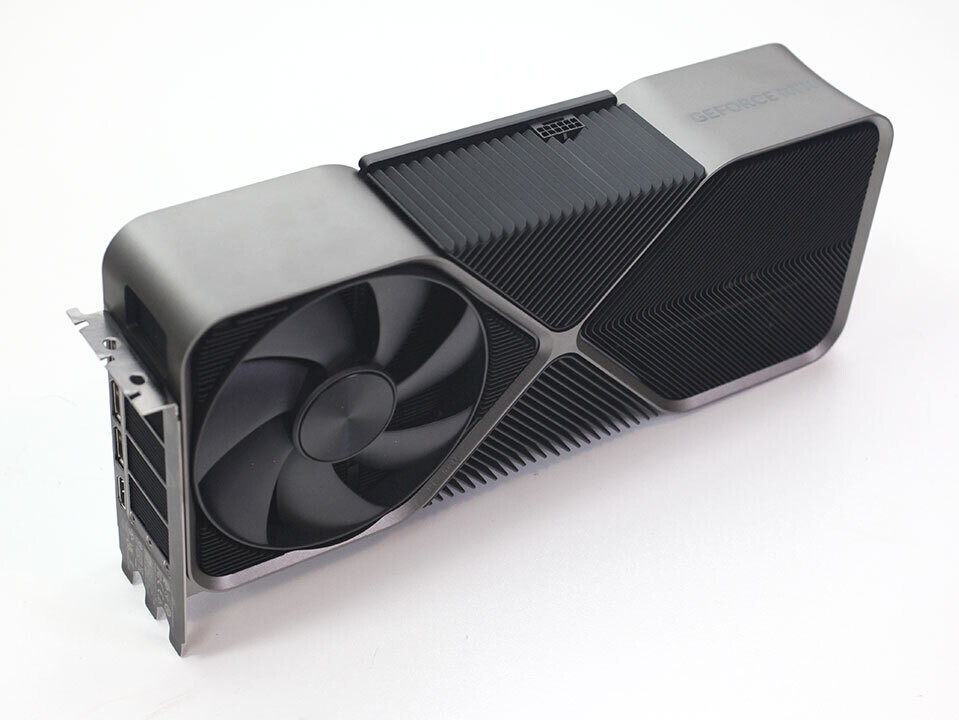
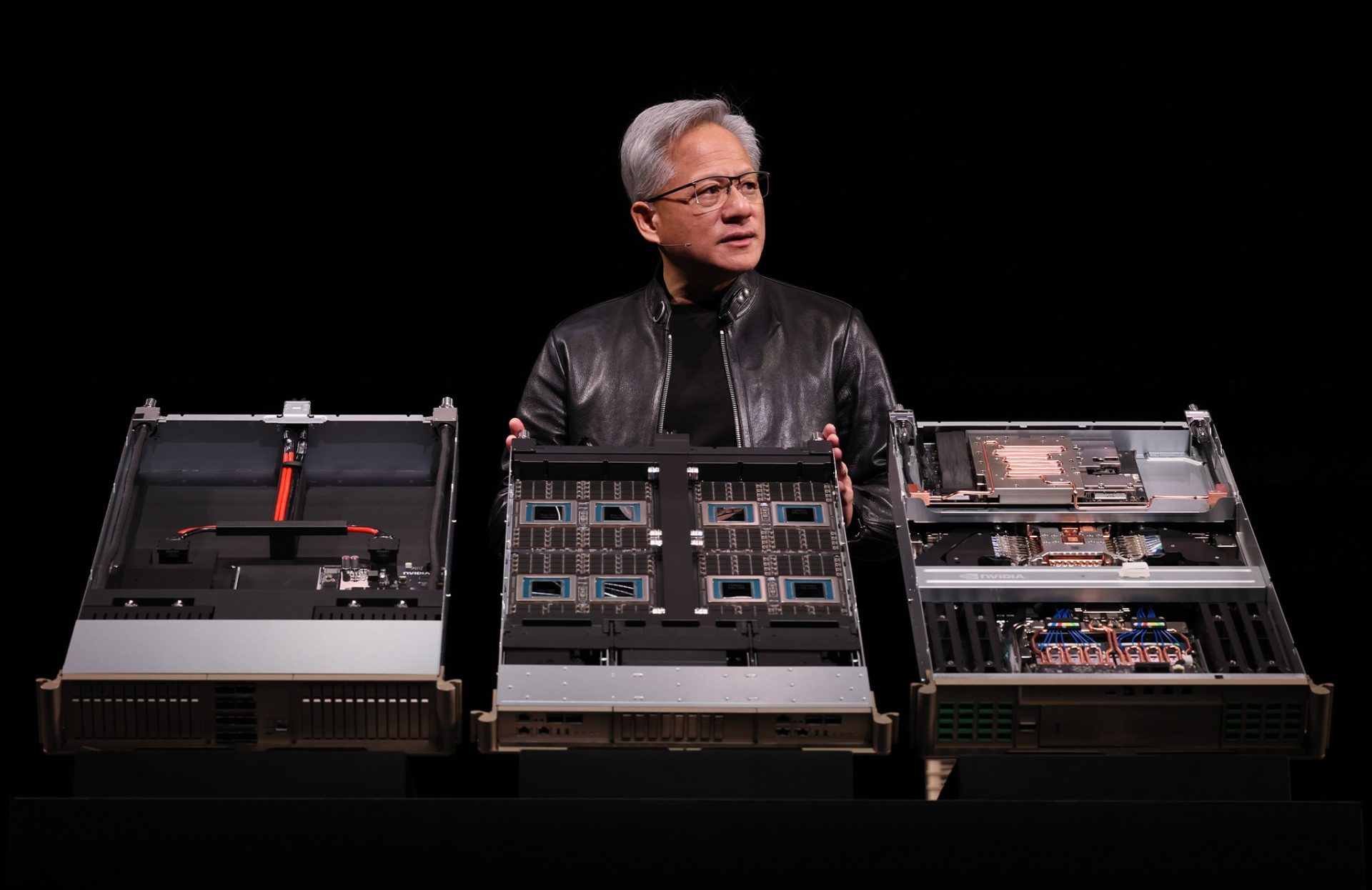
NVIDIA stands at a crossroads, where technological ambition collides with political reality. Its Blackwell architecture promises revolutionary gains in computational efficiency—with clocks hitting 3.5 GHz and memory bandwidth reaching 1.8 TB/s—but its path forward is being reshaped by forces beyond the company’s control.
At the heart of this tension lies a stark division: Blackwell will not land in China, even as NVIDIA continues to supply other markets with its A100 and H100 GPUs. For developers and enterprises, this means choosing between the allure of next-generation performance and the stability of established platforms that may lack Blackwell’s efficiency gains.
Thermal and Strategic Tradeoffs
The architecture’s power efficiency is a double-edged sword. While it delivers impressive performance-per-watt metrics, sustaining those levels under heavy workloads demands advanced cooling solutions—adding complexity for hardware designers. Meanwhile, support for next-gen AI frameworks like Rubin remains untested in Blackwell’s absence from China, leaving developers to wonder if the tradeoff is worth it.
A Market Split by Policy
- Blackwell excluded from China, but A100/H100 still shipping globally.
- Developers face platform lock-in risks as domestic alternatives (e.g., Huawei’s Ascend) gain traction.
- Uncertainty over Blackwell’s availability in key markets could reshape AI and HPC ecosystems.
The longer-term implications are just beginning to surface. If NVIDIA cannot bridge this gap, the market may fracture further—with regions adopting localized solutions that sacrifice performance for accessibility. For now, developers must weigh whether Blackwell’s innovations justify the risks, or if they should hedge their bets on more established (but less efficient) platforms.
The Future of High-Performance Computing
Blackwell’s specifications are set, but its real-world impact hinges entirely on geopolitical decisions. The architecture could redefine AI and HPC if allowed to scale globally—or it could become a cautionary tale about the fragility of technological dominance in an era of fragmentation.