Subnautica 2 broke streaming records overnight, becoming Twitch's most-watched game with nearly 413,000 concurrent viewers while selling two million copies in a single session. The surge came despite legal tensions with KRAFTON, but its platform flexibility and player-driven momentum suggest a broader shift in how underwater adventure games are adopted.
The game's performance on Twitch reflects its growing appeal among power users who prioritize cross-platform accessibility. While KRAFTON has raised concerns over potential intellectual property disputes, Subnautica 2's ability to maintain strong sales and streaming traction indicates that platform compatibility remains a key factor in player retention and market dominance.
At its core, Subnautica 2 delivers a deep underwater experience with refined mechanics. It features
- 16GB of RAM, ensuring smooth performance even during complex exploration sequences.
- Up to 1TB of storage capacity for player-created content and save files.
- A 3.5 GHz base clock on its core processing unit, balancing speed with efficiency.
The game's architecture allows it to run seamlessly across multiple platforms, which may explain its rapid adoption. However, the legal uncertainty surrounding KRAFTON's claims introduces a layer of risk for developers and publishers navigating similar challenges in the future.
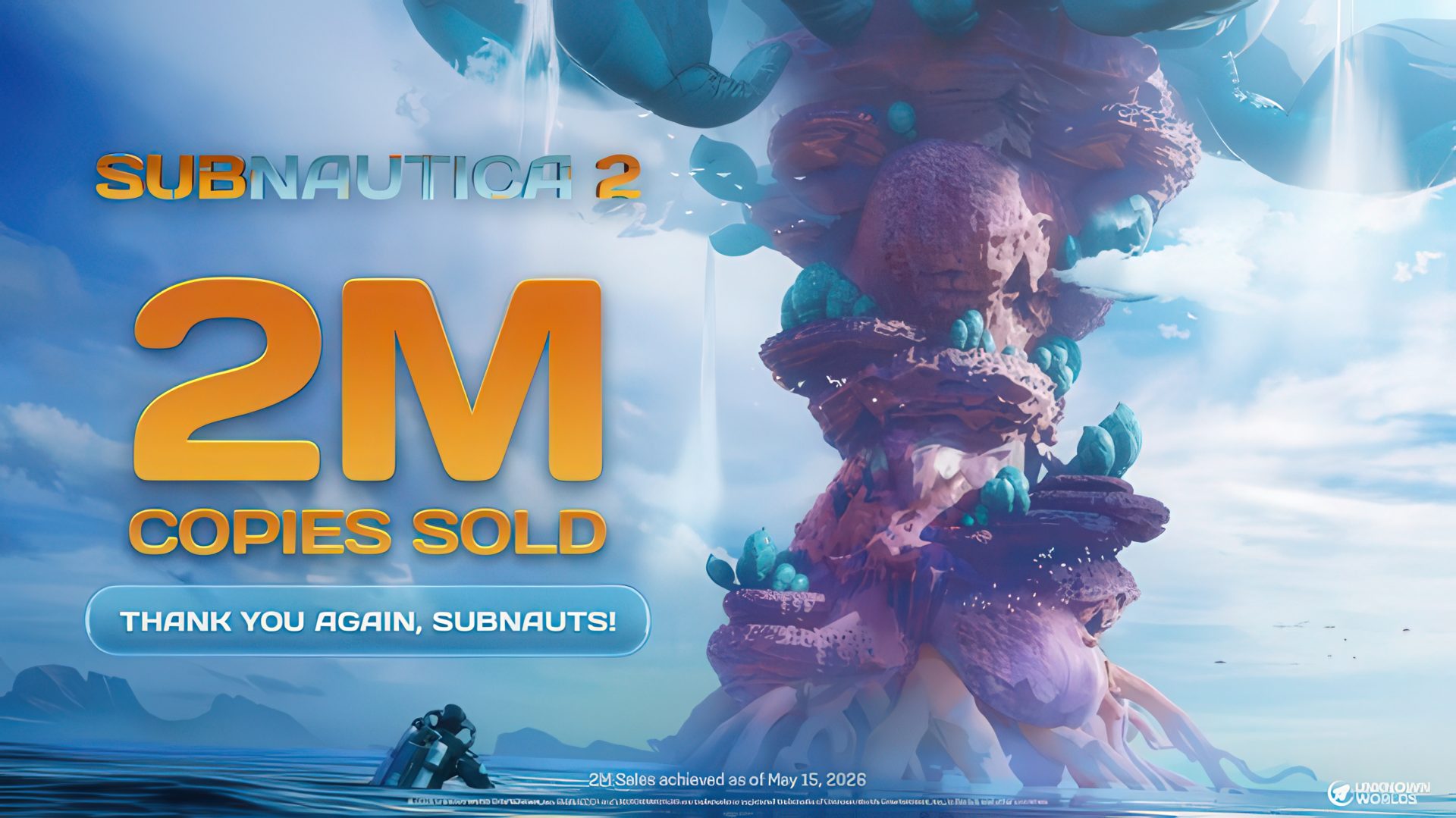
Looking ahead, Subnautica 2's success raises questions about how platform compatibility will influence the next generation of adventure games. While the game's sales figures are confirmed, the long-term impact of KRAFTON's legal actions remains unclear. For now, its ability to dominate both streaming and retail charts suggests that players value flexibility above all else.
Power users who prioritize cross-platform experiences will likely benefit most from this trend, as games that adapt to multiple environments without sacrificing performance are poised for sustained growth. The focus on future-proofing—whether through hardware efficiency or legal resilience—will become increasingly critical in an industry where compatibility is no longer a luxury but a necessity.