The ROG NUC 16 is not just another mini PC; it’s a statement on what can fit inside a three-liter chassis when you prioritize performance over form. Launched with an Intel Core Ultra 9 290HX Plus and up to an RTX 5080 Laptop GPU, it delivers 16 GB GDDR7 memory and 1334 AI TOPS—enough to handle local LLM workloads without breaking a sweat. But the bigger question is whether its QuietFlow cooling can sustain that power for long sessions.
Starting with the core specs, the ROG NUC 16 supports up to 128 GB of DDR5-6400 memory, ensuring smooth high-FPS gaming and faster responsiveness. The system’s thermal design is a key differentiator: three fans (each 102 x 102 x 17 mm) and a dual vapor chamber spread heat across the compact frame, with CPU cooling coverage increased by 12%. A dedicated SSD heatsink further reduces temperatures from 72°C to 59°C under load, though it remains unclear how this compares to larger desktop systems in sustained workloads.
For power users: performance vs. practicality
- Display: Supports up to five 4K displays or 8K gaming when placed vertically.
- Chip: Intel Core Ultra 9 290HX Plus (Arrow Lake-HX) with improved 3DMark performance.
- Memory: Up to 128 GB DDR5-6400, optimized for high-FPS gaming and AI workloads.
- Storage: Dedicated SSD heatsink lowers temperatures by 13°C under load.
- Power: RTX 5080 Laptop GPU with 16 GB GDDR7, 250 W TDP, and DLSS 4.5 support (Super Resolution + Multi-frame generation).
- Connectivity: Thunderbolt 4 for fast external storage, GlideX for cross-device screen sharing.
The RTX 5080 Laptop is the real standout here, offering DLSS 4.5 with ML-based Super Resolution and Multi-frame generation—features that could significantly reduce latency in AAA gaming while generating up to five additional frames per rendered frame. However, the 250 W TDP means this is not a system for casual use; it’s built for those who need both raw power and portability.
For everyday users: who needs this?
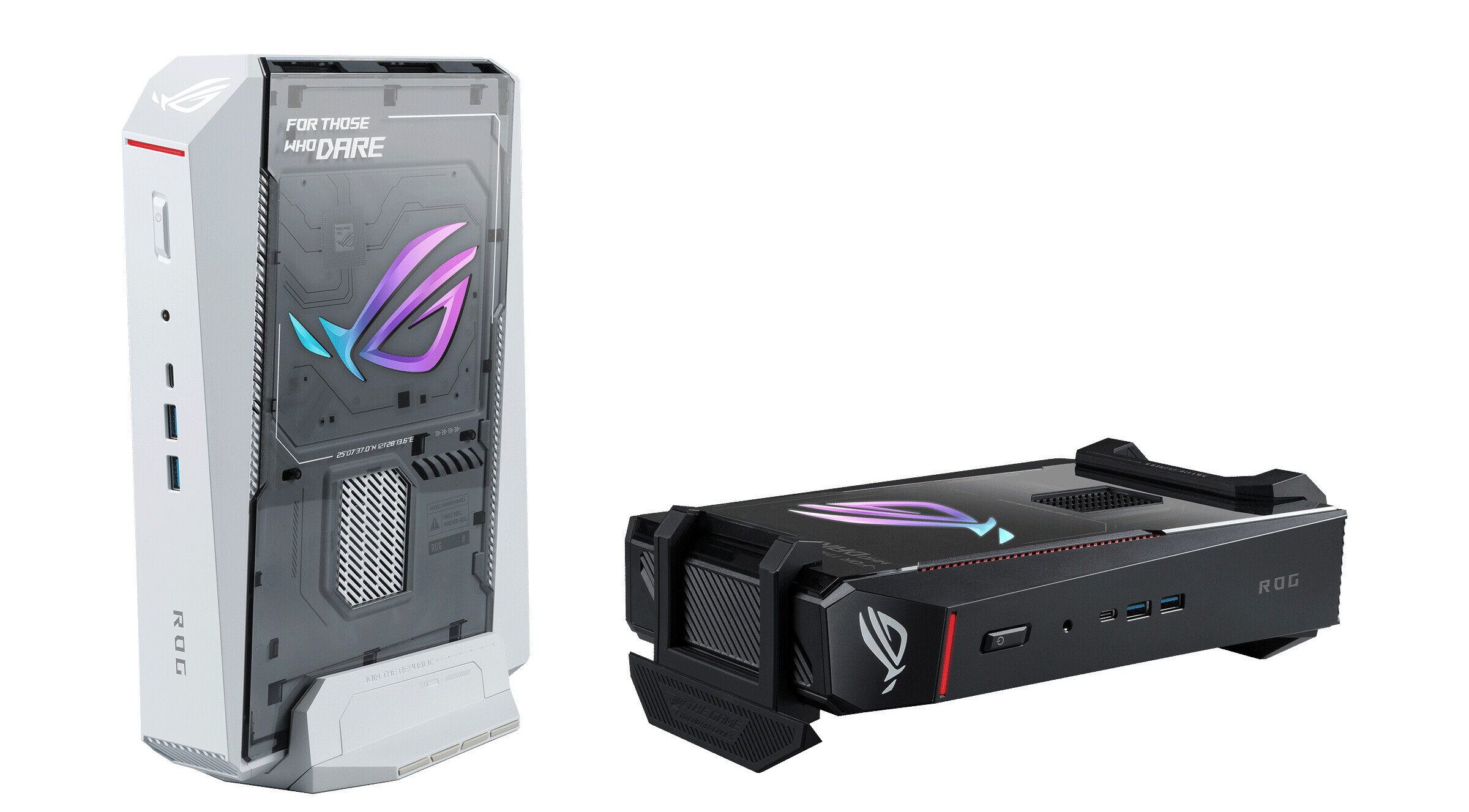
The ROG NUC 16 is aimed at creators, AI enthusiasts, and high-end gamers who value compactness without sacrificing performance. Its Moonlight White Edition adds a premium aesthetic, but the removable stand—allowing vertical or horizontal placement—is more practical than stylish unless you’re setting up a multi-display workstation.
Thunderbolt 4 support is a bonus for video editors working with large files, while GlideX enables seamless screen sharing across devices. However, the lack of DDR6 memory (despite its availability in other systems) and the unknown long-term stability of the cooling system under sustained loads could be dealbreakers for some.
Market impact: supply vs. demand
The ROG NUC 16 arrives as NVIDIA tightens RTX 50-series production, raising questions about availability and pricing. While it delivers 2.3% better performance than its predecessor, the real test will be whether its compact cooling can match desktop-level efficiency in AI workloads. If it succeeds, this could redefine what a mini PC is capable of—but only if supply keeps up with demand.