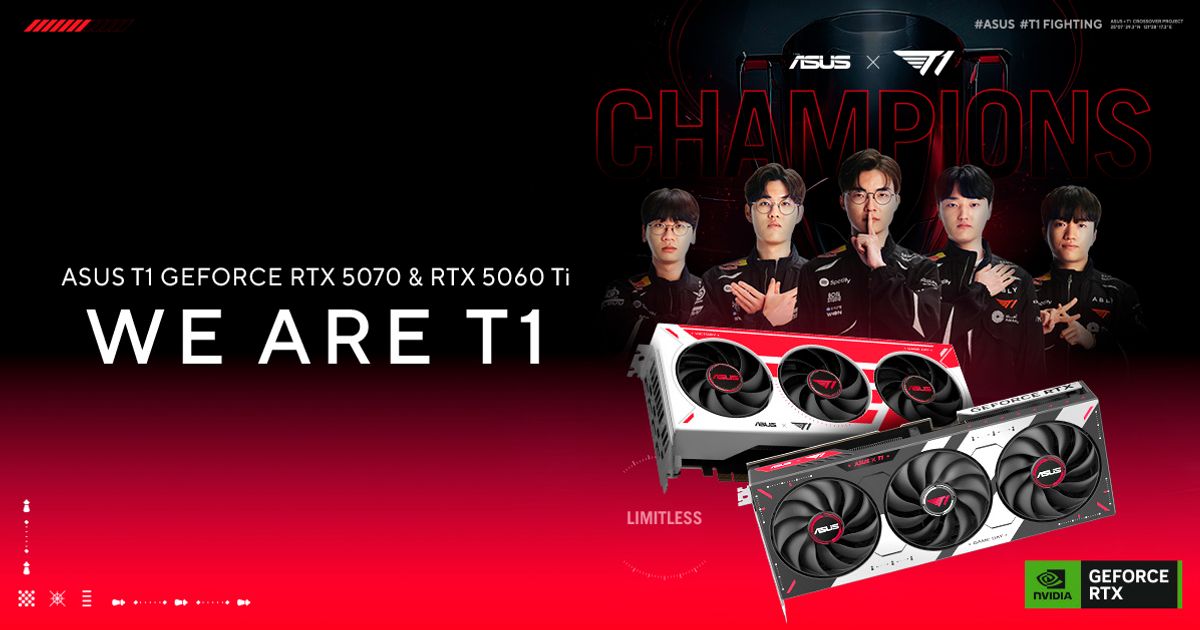
For developers building high-end systems, ASUS’s latest T1-branded RTX 5070 and RTX 5060 Ti GPUs introduce a new layer of platform lock-in through design, performance tuning, and esports branding. The cards are not just hardware upgrades—they are collector’s items, blending T1’s competitive identity with ASUS’s engineering precision.
What stands out is the practical impact on system integration. The RTX 5070, with its black-and-white minimalism punctuated by T1 red accents, includes player portraits and signatures on the backplate—a detail that turns a performance component into a piece of esports memorabilia. Meanwhile, the RTX 5060 Ti adopts a bold red-and-white scheme, reinterpreting T1’s logo for broader appeal while maintaining the same signature elements.
Key Specifications and Practical Considerations
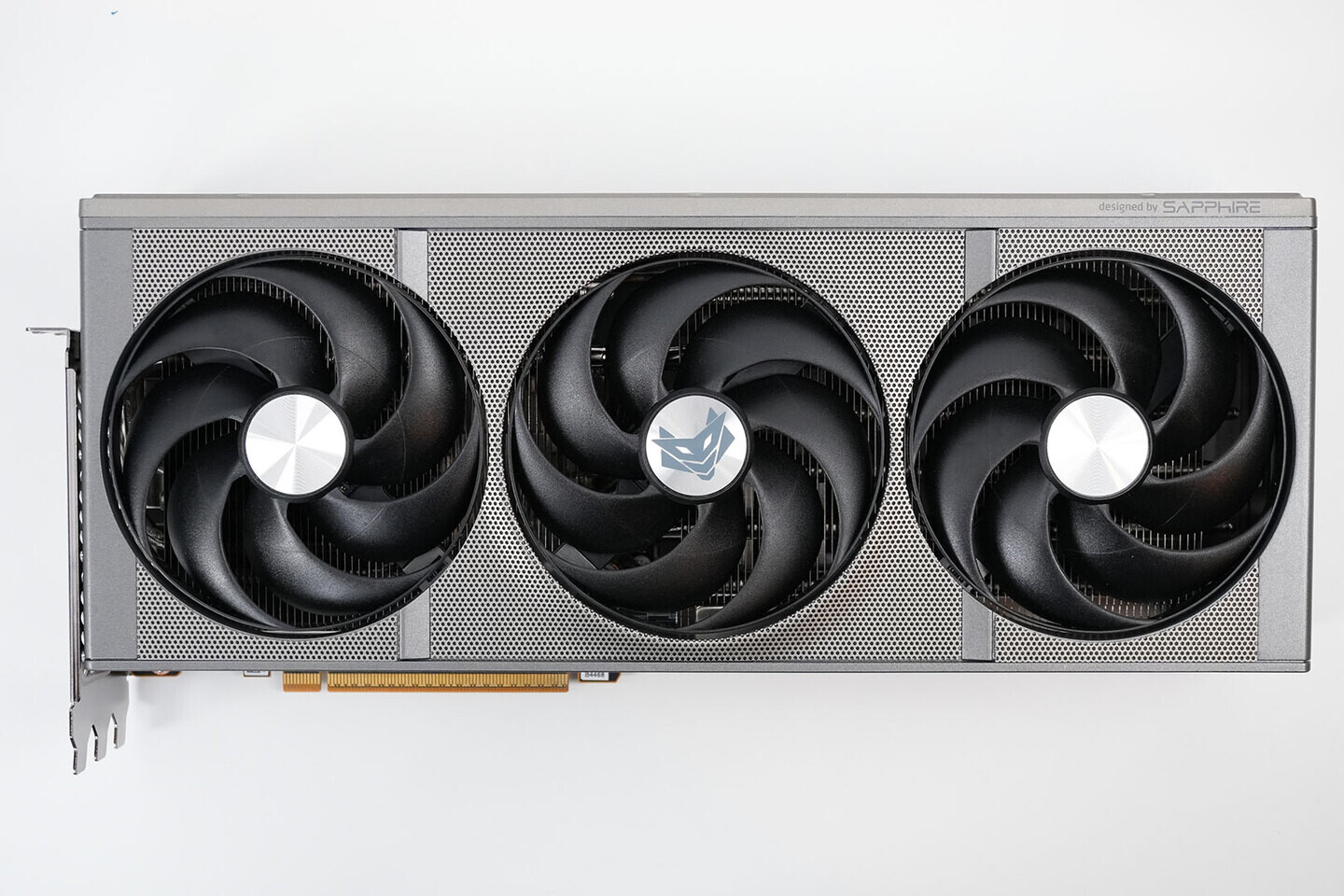
- Both cards feature ASUS’s Axial-tech fans, dual-ball bearings, and 0dB fan technology, ensuring silent operation under light loads—a critical factor in competitive environments where noise can be a distraction.
- The cooling system includes MaxContact design, which expands the heat spreader surface by 5%, improving thermal performance by up to 2°C. This is paired with an extensive heatsink array and powerful Axial-tech fans, reducing temperatures without sacrificing airflow.
- ASUS GPU Guard provides corner adhesive and a mounting bracket for stability, addressing a common issue in high-performance builds where vibration can affect longevity.
The collaboration also introduces exclusive bundled content: ASUS GPU Tweak III with a T1-designed theme, offering advanced thermal control and system monitoring tailored to competitive gaming. This software integration further cements platform lock-in, as users who rely on its features may find it difficult to switch without losing customization options.
What Remains Unclear
While the design and bundled software are clear differentiators, the practical implications for developers remain mixed. The RTX 5070’s 16 GB GDDR7 memory is a step up from previous generations, but its 250 W TDP could push power delivery requirements on motherboards, especially if paired with high-end CPUs. Similarly, the RTX 5060 Ti’s 9 GB variant introduces a new tier, but its market positioning is less certain—will it appeal to budget-conscious builders or remain niche?
The partnership also raises questions about long-term support. T1’s esports legacy adds prestige, but whether this translates into sustained driver updates or community engagement remains to be seen. For now, the focus is on hardware, leaving software and ecosystem support as open-ended promises.
For developers, the takeaway is clear: these cards are built for those who value both performance and identity. The T1 branding and design elements make them ideal for esports setups or builds targeting competitive audiences, but their practical utility in non-competitive scenarios may be limited. As NVIDIA’s RTX 50 series continues to evolve, the challenge will be balancing hardware innovation with the expectations set by this high-profile collaboration.