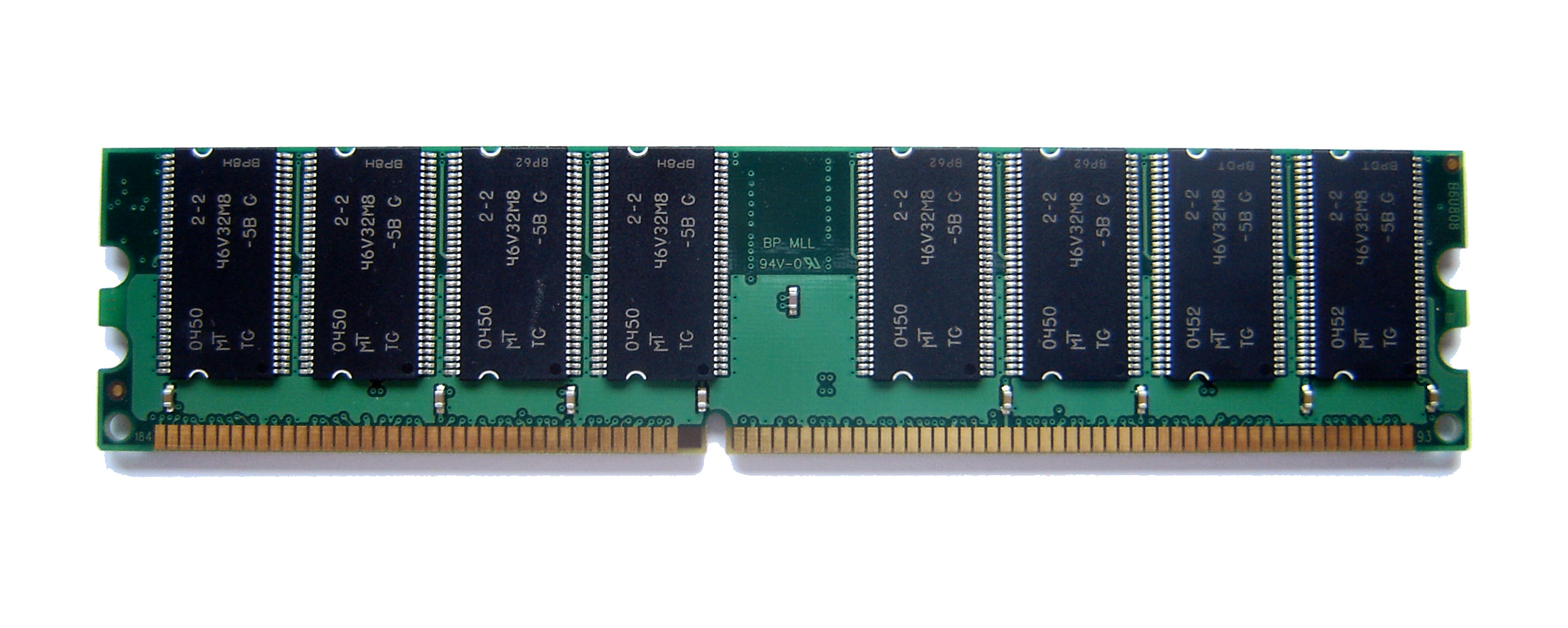
ASUS has entered the high-performance memory market with a new line of DDR5 kits branded under its Republic of Gamers (ROG) label. Designed for systems demanding both speed and reliability, these modules aim to bridge the gap between standard memory solutions and the needs of overclocking enthusiasts.
The ROG DDR5 series debuts with capacities up to 64GB, using 128-bit architecture and clock speeds reaching 7,200MHz. ASUS emphasizes thermal efficiency with a dual-IC heat spreader, claiming sustained performance under heavy workloads without significant temperature spikes—a critical factor for long sessions of rendering or AI training.
Key specifications include support for XMP 3.0 profiles and compatibility with the latest Intel and AMD platforms. While the official pricing hasn’t been disclosed, industry benchmarks suggest a premium positioning, likely competing with established names like Corsair and G.Skill in the enthusiast segment. Early reviews indicate strong stability at advertised speeds, though real-world gains over air-cooled alternatives remain modest.
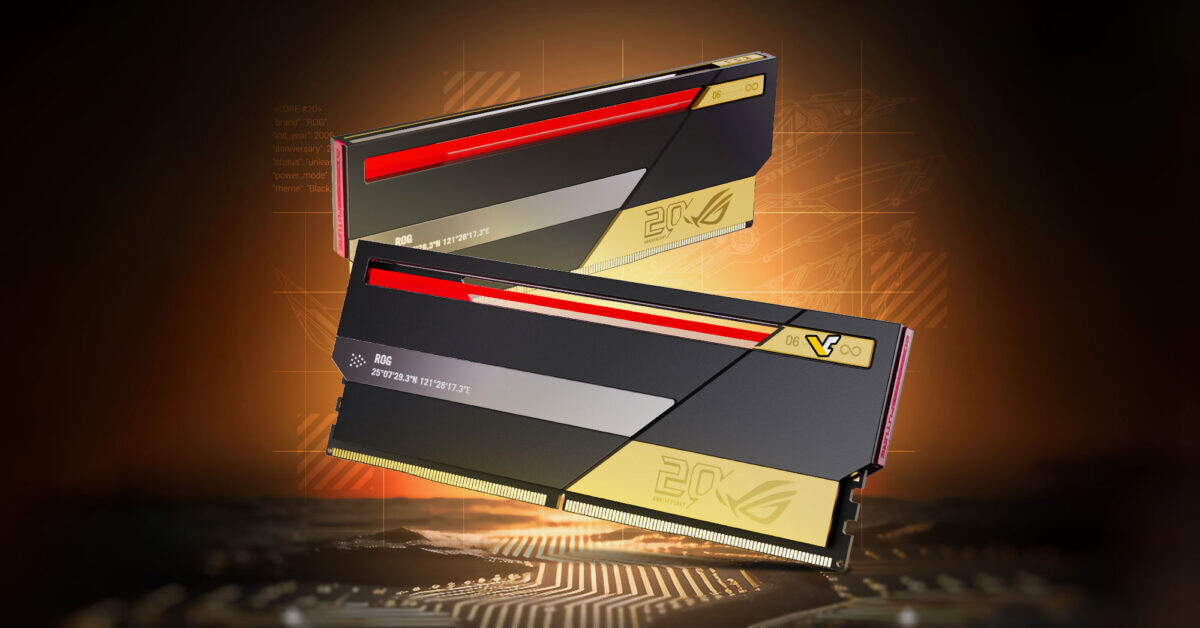
For creators pushing computational limits—whether in video editing or machine learning—the new ROG DDR5 kit offers a refined approach to memory cooling, but its true value hinges on how it performs under sustained thermal stress. Whether this translates into measurable longevity for high-end workloads is still unconfirmed, leaving room for cautious optimism.
The launch signals ASUS’s intent to solidify its presence in the performance memory market, where thermal management and stability are increasingly differentiators. As AI-driven workloads continue to strain system components, the focus on heat dissipation may redefine what enthusiasts expect from next-generation memory solutions.