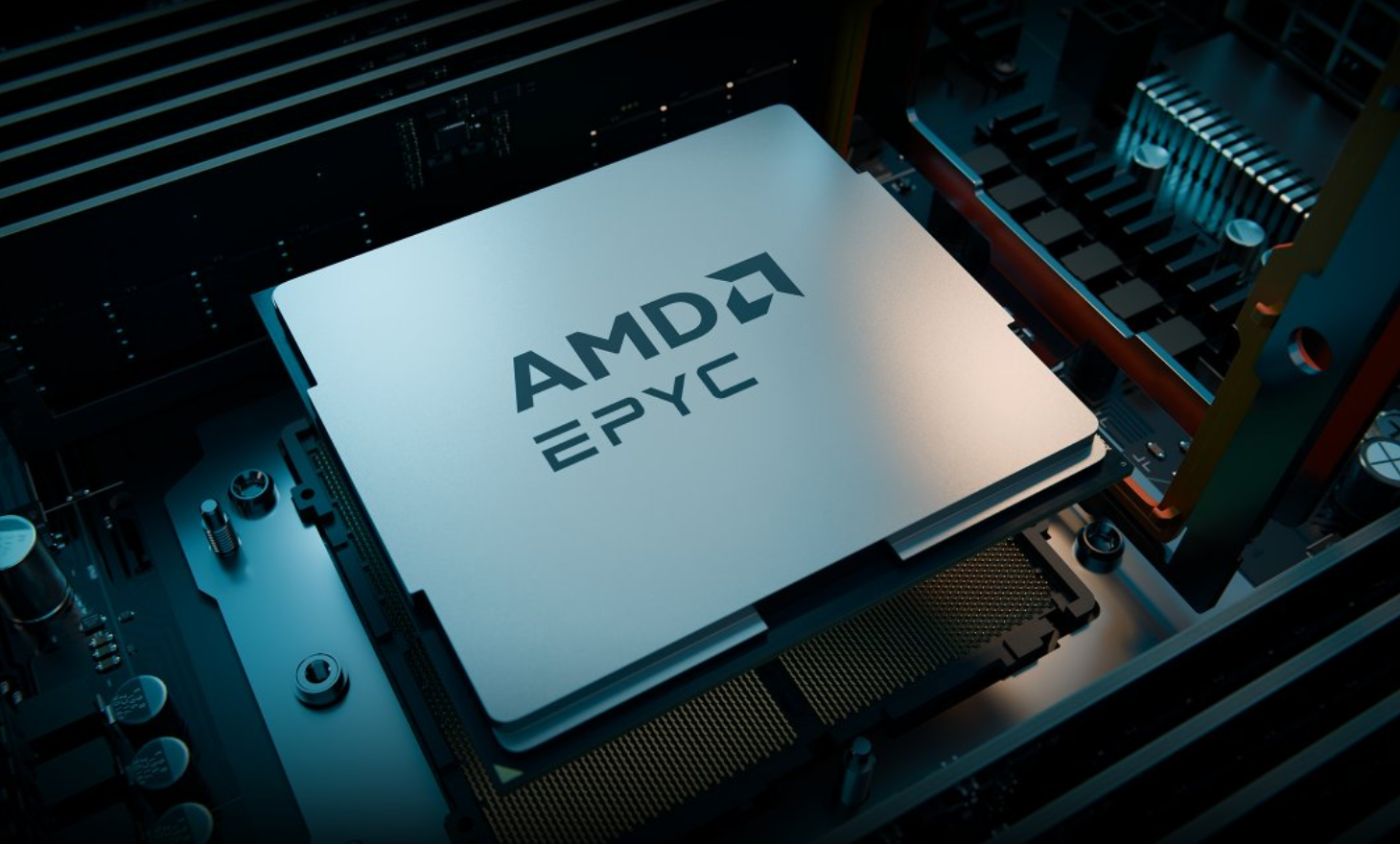
AMD’s latest Gorgon Halo processors have found a new home in CPU-Z, the utility long trusted by enthusiasts and overclockers for its granular insights into CPU architecture.
The update isn’t limited to AMD; Intel’s Wildcat Lake and Bartlett Lake families—both slated for later this year—are also now recognized. This means users can already inspect core counts, cache sizes, and other key specs even before the chips hit retail shelves.
What’s New in CPU-Z
- AMD Gorgon Halo: Full spec detection including clock speeds, TDP ratings, and instruction set extensions.
- Intel Wildcat Lake & Bartlett Lake: Preliminary support for upcoming 13th- and 14th-generation Core processors.
The addition is notable because CPU-Z has historically lagged behind other tools in adopting new architectures. This time, the team claims to have accelerated development by leveraging internal benchmarks rather than third-party leaks—a shift that could improve future update speed.
Why It Matters
For end users, this means more accurate benchmarking and overclocking profiles from day one. AMD’s Gorgon Halo chips, for example, are rumored to push power efficiency further with a 65 W TDP in some configurations—something CPU-Z can now measure without approximation.
Intel’s inclusion is particularly forward-looking. Wildcat Lake and Bartlett Lake are expected to bring significant IPC gains, but their exact performance won’t be clear until silicon arrives. CPU-Z’s early support lets users test cooling setups or stress-test stability before launch dates are finalized.
The next milestone? Pricing and availability remain unconfirmed, but the utility’s roadmap suggests more architectures will follow this pattern—faster, with less reliance on external data.