The Steam Controller’s charging puck is a testament to modern wireless design—sleek, cable-free, and portable. But beneath its surface lies a hidden risk that has left users questioning the balance between innovation and safety. When a metallic smartwatch band accidentally bridged the exposed pogo pins on the puck, it triggered a short-circuit event that nearly resulted in fire. The incident, though rare, exposes a gap in protection that contrasts sharply with what consumers expect from today’s gaming peripherals.
Exposed Pins: A Design That Prioritizes Form Over Function
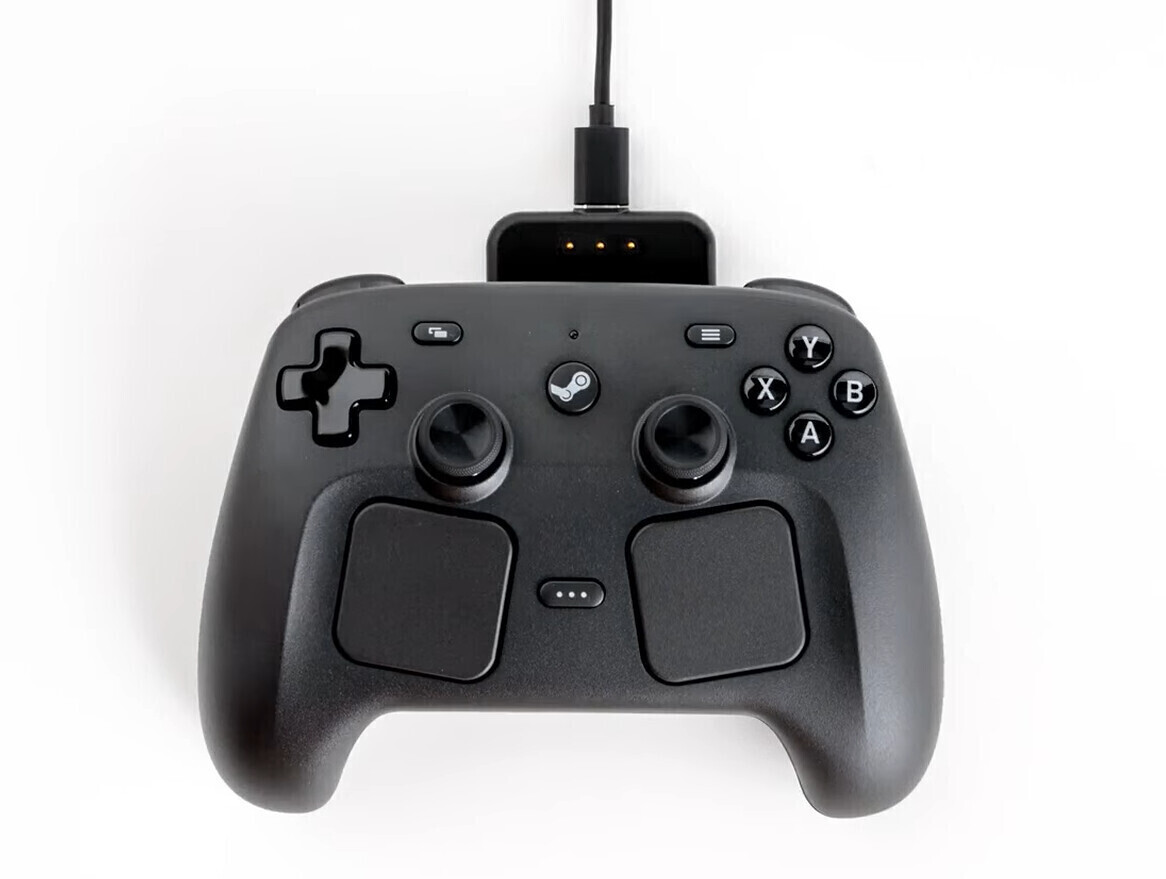
The Steam Controller’s puck relies on direct metal-to-metal contact for charging, eliminating the need for a traditional USB cable. This approach offers convenience and portability but comes with inherent risks. Unlike many modern devices that incorporate short-circuit protection as standard, Valve’s design leaves users vulnerable if metallic objects come into contact with the exposed terminals. The official manual warns against proximity to magnetic or metallic items, but it does not explicitly state that physical contact could lead to damage or fire hazards.
Industry Standards and the Case for Protection
The absence of built-in safeguards in the Steam Controller’s puck stands out when compared to competitors. Devices like Sony’s PS5 controller charging station, for example, include short-circuit protection as a standard feature, suggesting that such measures are technically feasible without significant engineering hurdles. Valve’s response—offering replacements for affected units—indicates a willingness to address the issue, but it remains unclear whether future iterations will adopt more robust protection mechanisms.
User Caution and Future Safeguards
For now, users are advised to exercise caution when placing metallic objects near the charging puck. Avoiding direct contact with exposed terminals can mitigate risks, but the incident raises broader questions about whether industry standards should evolve to include such protections by default. If short-circuit protection were implemented in future hardware revisions, it could be achieved without significantly impacting performance or design aesthetics.
Key Specs
- Charging Puck: Exposed pogo pins for wireless charging; no built-in short-circuit protection reported.
- Controller Design: Wireless, portable form factor with magnetic connection to the puck.
The Steam Controller’s puck is designed to sit on a surface while charging, offering a cable-free experience that aligns with the trend toward wireless peripherals. However, this approach often prioritizes space efficiency over safety features that would require additional circuitry or shielding. Whether Valve will revisit this design in future updates remains an open question, but the incident serves as a reminder that innovation should not come at the cost of user safety.
Looking Ahead: Will Safety Become Standard?
The Steam Controller’s puck is part of a broader shift in gaming hardware toward wireless and compact designs. While this trend brings undeniable benefits, it also introduces new challenges for manufacturers to address. The incident with the charging puck may serve as a catalyst for change, prompting industry leaders to reconsider whether short-circuit protection should be a non-negotiable feature in future peripherals. If implemented, such safeguards could set a new benchmark for safety without compromising the convenience users have come to expect.