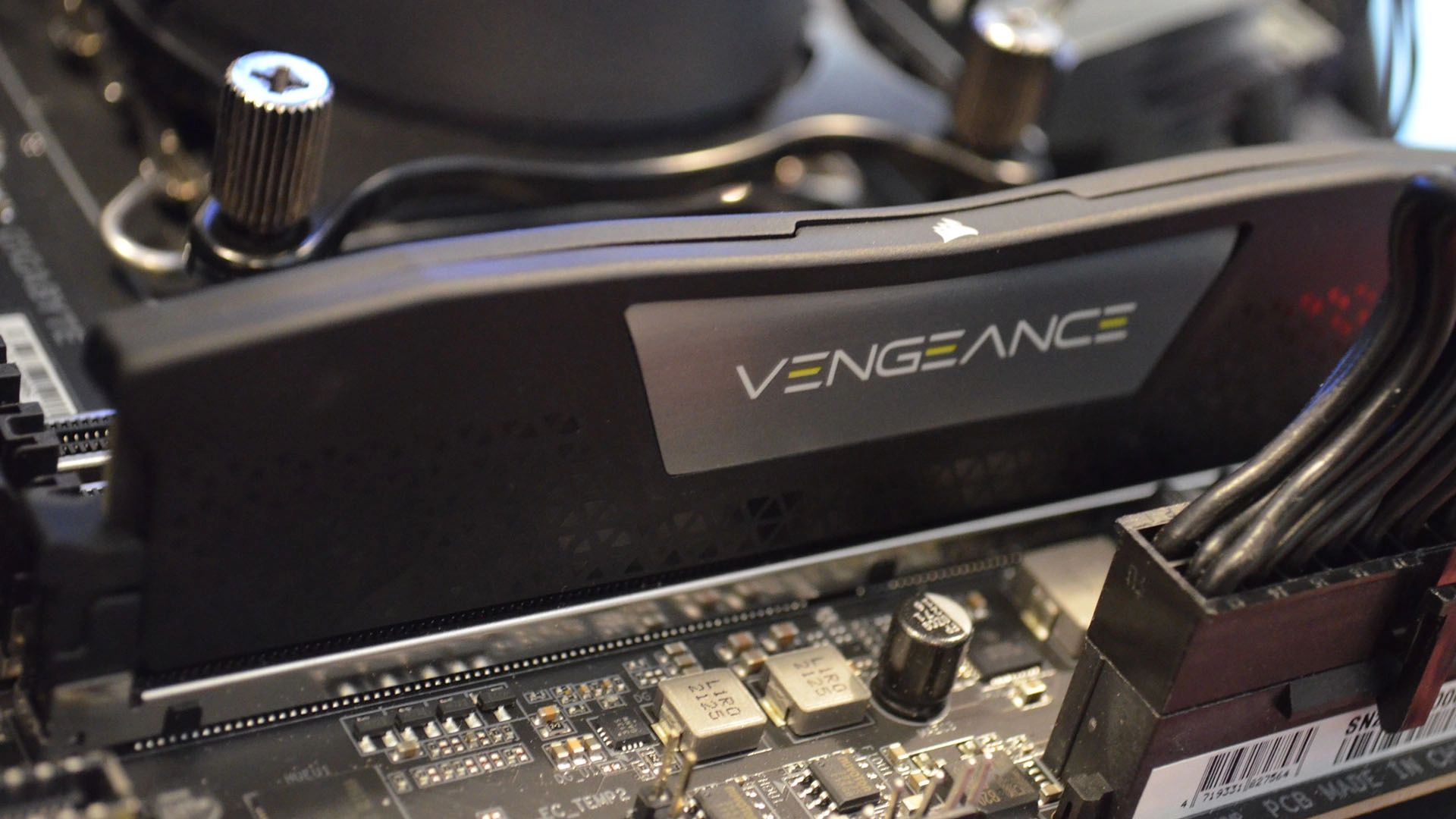
A single DDR5 memory stick from Corsair, found in circulation with Chinese-made chips, has sparked quiet speculation that the long-anticipated rebound in RAM supply could be closer than many had expected. The discovery, if it reflects broader trends, may offer a glimmer of hope for IT teams still grappling with prolonged shortages and inflated prices.
This shift—from South Korean to Chinese memory production—is not yet confirmed as widespread, but it suggests that manufacturers are diversifying their sourcing chains. If more players follow suit, the bottleneck that has plagued PC builders and data centers for years could finally start to loosen.
What does this mean for buyers?
For now, the change is limited to one observed module, but its implications could be significant. DDR5 modules have historically relied on chips from Samsung and SK Hynix in South Korea, creating a tight supply chain vulnerable to disruptions. If Chinese manufacturers ramp up production without similar constraints, it could stabilize prices and increase availability.
Key details to watch
- Chinese memory chips are being used in DDR5 modules for the first time in Corsair’s lineup, indicating a potential shift in global sourcing.
- The module itself is a 32GB kit with a 4800MHz clock speed and a price point that remains competitive, though not yet dramatically lower than current market rates.
- No official confirmation exists from Corsair or its suppliers about the scale of this transition, leaving room for skepticism.
Why caution is still advised
While the discovery is promising, it’s too early to declare an end to the RAM shortage. The industry has seen false starts before—supply crunches can be unpredictable, and demand remains strong in high-performance computing and gaming sectors. IT teams should prepare for volatility, even if this marks a positive development.
Looking ahead
The real test will be whether other manufacturers adopt similar sourcing strategies and whether Chinese plants can scale production without the same bottlenecks that have plagued their South Korean counterparts. If successful, it could mean more stable prices and wider availability within months—not years—but the road to recovery is unlikely to be smooth.