When a database leak exposes customer information, the immediate reaction is usually a public statement—an acknowledgment, an apology, even a promise to fix things. But Trump Mobile’s approach to the T1 phone data breach has been anything but typical. Instead of clear communication, customers are left wondering: what exactly happened, and why isn’t anyone telling us more?
This isn’t just about missing notifications or delays in response. It’s about the gap between what a company claims it can do and what users actually experience when their data is at risk.
At a glance
- Database leak: A database containing customer information for Trump Mobile’s T1 phone was exposed, potentially affecting personal details like names, addresses, and phone numbers.
- No public notification: Despite the breach being confirmed, Trump Mobile has not issued a formal statement or direct communication to affected customers.
- T1 model specifics: The T1 runs on a custom OS with 4GB RAM, 64GB storage (expandable), and a single 8MP rear camera. It lacks 5G support but includes dual SIM functionality.
- Data risk factors: The leak suggests potential exposure of identifiers like IMEI numbers, which could enable targeted tracking or service misuse without user consent.
- Customer impact: Users may face identity-related risks, though no financial data (e.g., payment details) appears to have been compromised.
The T1 itself is a niche device—designed for simplicity rather than performance. Its 4GB of RAM and 64GB of storage (expandable via microSD) make it suitable for basic tasks like calls, texts, and light web browsing. But when paired with a data breach, those modest specs become less about functionality and more about vulnerability.
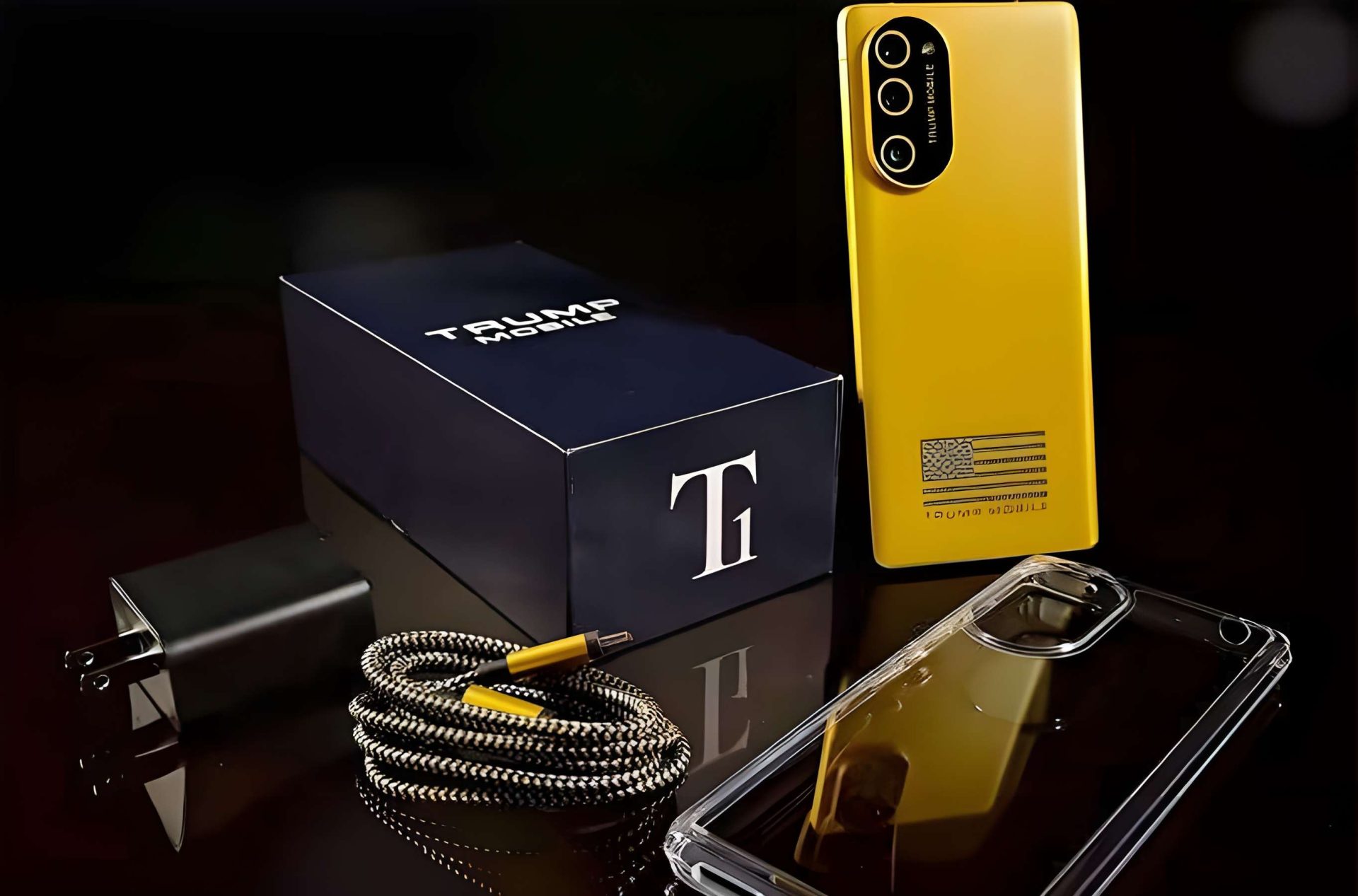
Why does this matter? Because the T1 isn’t just another phone; it’s part of a broader trend where even low-end devices are becoming targets for data exploitation. The lack of 5G support doesn’t protect users—it just means the attack surface is different. And without clear guidance from Trump Mobile, customers are left to piece together what they should do next.
What’s confirmed—and what isn’t
The breach itself is confirmed: a database containing customer data was exposed. But beyond that, details are scarce. No official statement has been released, and there’s no evidence that financial or payment-related information was involved. That said, the potential exposure of IMEI numbers—unique identifiers tied to each device—could enable tracking or unauthorized access to services without user knowledge.
Here’s where the uncertainty lingers: we don’t know if this is an isolated incident or part of a larger pattern. We also don’t know how Trump Mobile plans to mitigate risks moving forward. Without transparency, customers can’t make informed decisions about their security—or whether this phone is still safe to use.
The T1’s design reflects its purpose: a straightforward device for users who prioritize affordability over advanced features. But in an era where data breaches are common, even the simplest phones aren’t immune. The real question isn’t just about this leak—it’s whether companies like Trump Mobile will treat security as an afterthought or a priority when things go wrong.