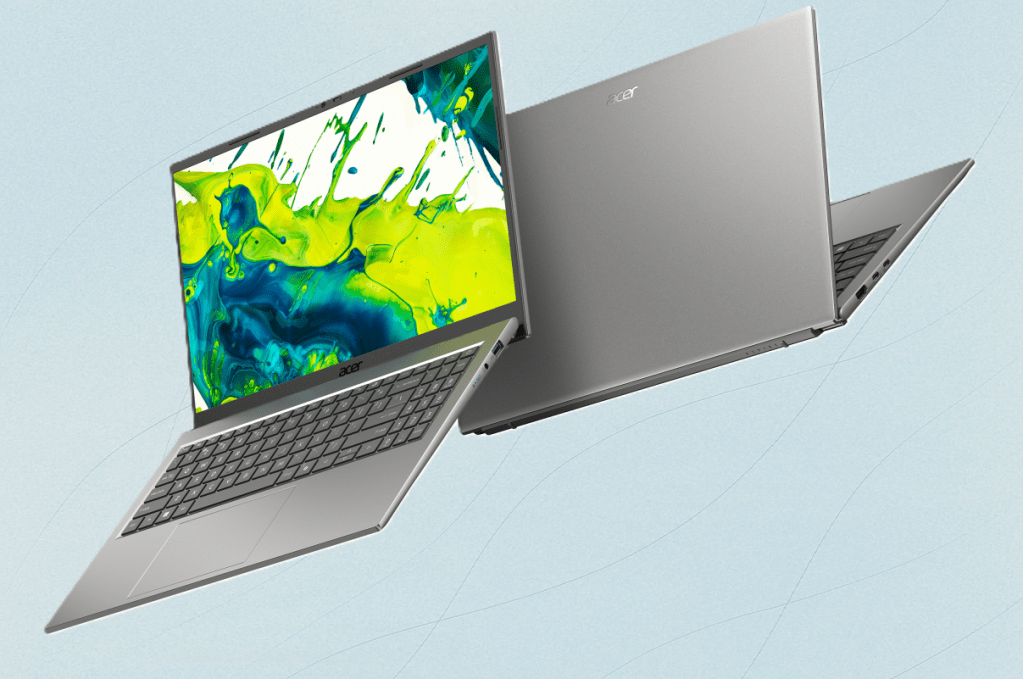
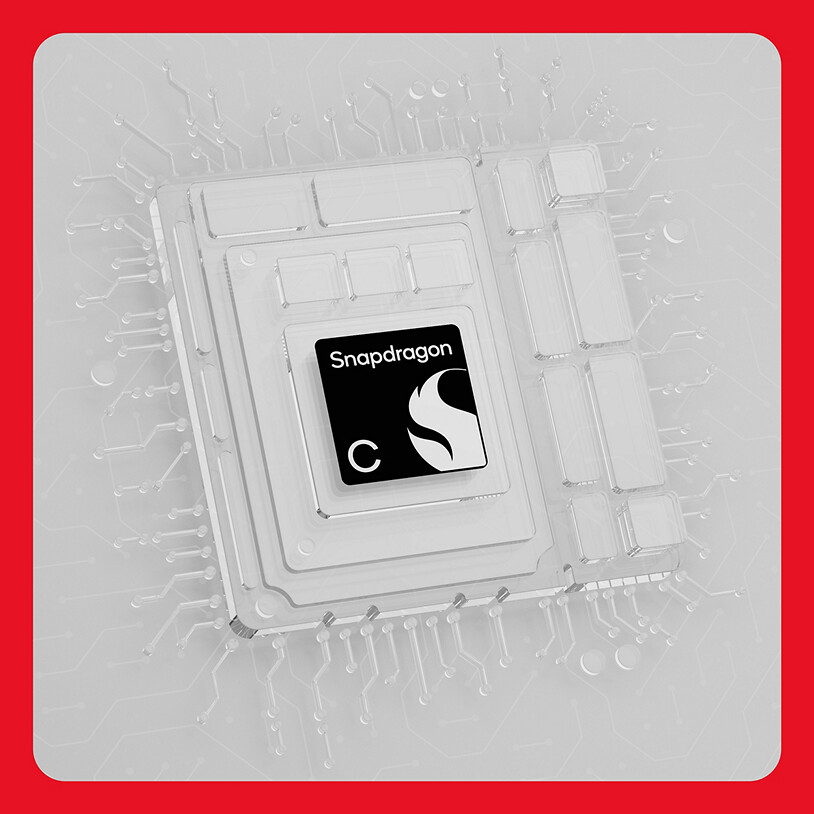
The Snapdragon C platform is poised to shake up the budget laptop market, but its success hinges on unproven promises—efficiency that doesn’t sacrifice performance, AI smarts that feel tangible, and a price point that actually saves money without cutting corners. Qualcomm’s latest entry-level chip targets devices under $300, where students, families, and small businesses need reliable computing power but can’t afford premium hardware.
At a glance
- Chipset: Snapdragon C (ARM-based)
- Target price: $300 and up
- AI feature: Integrated NPU for machine learning tasks
- Performance focus: Web browsing, streaming, light productivity
- Memory: 4 GB (minimum)
The Snapdragon C isn’t built for gaming or heavy multitasking—it’s designed to do one thing well: stay cool, run quietly, and last all day on a single charge. Its neural processing unit (NPU) suggests Qualcomm is betting on AI as the next frontier even in budget devices, but whether that translates into noticeable improvements remains to be seen.
What’s still unclear
The platform’s specifications are deliberately vague. No clock speeds, GPU details, or thermal behavior have been confirmed, leaving room for speculation. Early reports suggest it may share some architecture with older smartphone chips like the Snapdragon 7C+ Gen 3, but without official benchmarks, its efficiency gains are hard to quantify.
Another uncertainty is software support. Windows on ARM-based chips has historically struggled with compatibility, and 4 GB of RAM is a tight fit for modern operating systems. If this platform follows past trends, users may find themselves balancing between limited performance and bloated software requirements.
The market challenge
- Positioning: Aims to sit below Intel’s Core Ultra series but above ultra-low-end Chromebooks
- Competition: Directly challenges Intel, which dominates the budget chip space with proven performance
- Tradeoff: Efficiency over raw power—ideal for light tasks but not heavy workloads
Qualcomm’s move reflects a broader industry shift: as costs rise, even entry-level laptops need some level of AI capability to feel modern. The question is whether the Snapdragon C can deliver without overheating or sacrificing responsiveness. If it succeeds, it could redefine what ‘budget’ means in laptop computing.
What to expect next
Devices based on the Snapdragon C are expected later this year, but buyers should approach with cautious optimism. This chip may push the boundaries of what’s possible in affordable laptops—but only if it can balance efficiency, AI smarts, and real-world performance without compromise.