Acer’s latest gaming handheld, codenamed Project X, is making waves—but not necessarily for the reasons Acer might have hoped. Built around Intel’s new architecture, this device promises to bring a familiar experience to gamers on the go, yet it arrives at a moment when the market is both oversaturated and in flux.
The handheld’s core lies in its Intel-powered system-on-chip, which delivers performance comparable to mid-range gaming laptops. It packs 16 GB of LPDDR5X RAM and 512 GB of storage, enough to handle demanding titles without breaking a sweat. Yet, in an era where standalone consoles dominate the conversation, this device may struggle to carve out its own identity.
One standout feature is its dual-screen design: a 7-inch main display paired with a smaller secondary screen for quick notifications and controls. While innovative, it raises questions about ergonomics and long-term usability in a market where portability often takes precedence over gimmicks.

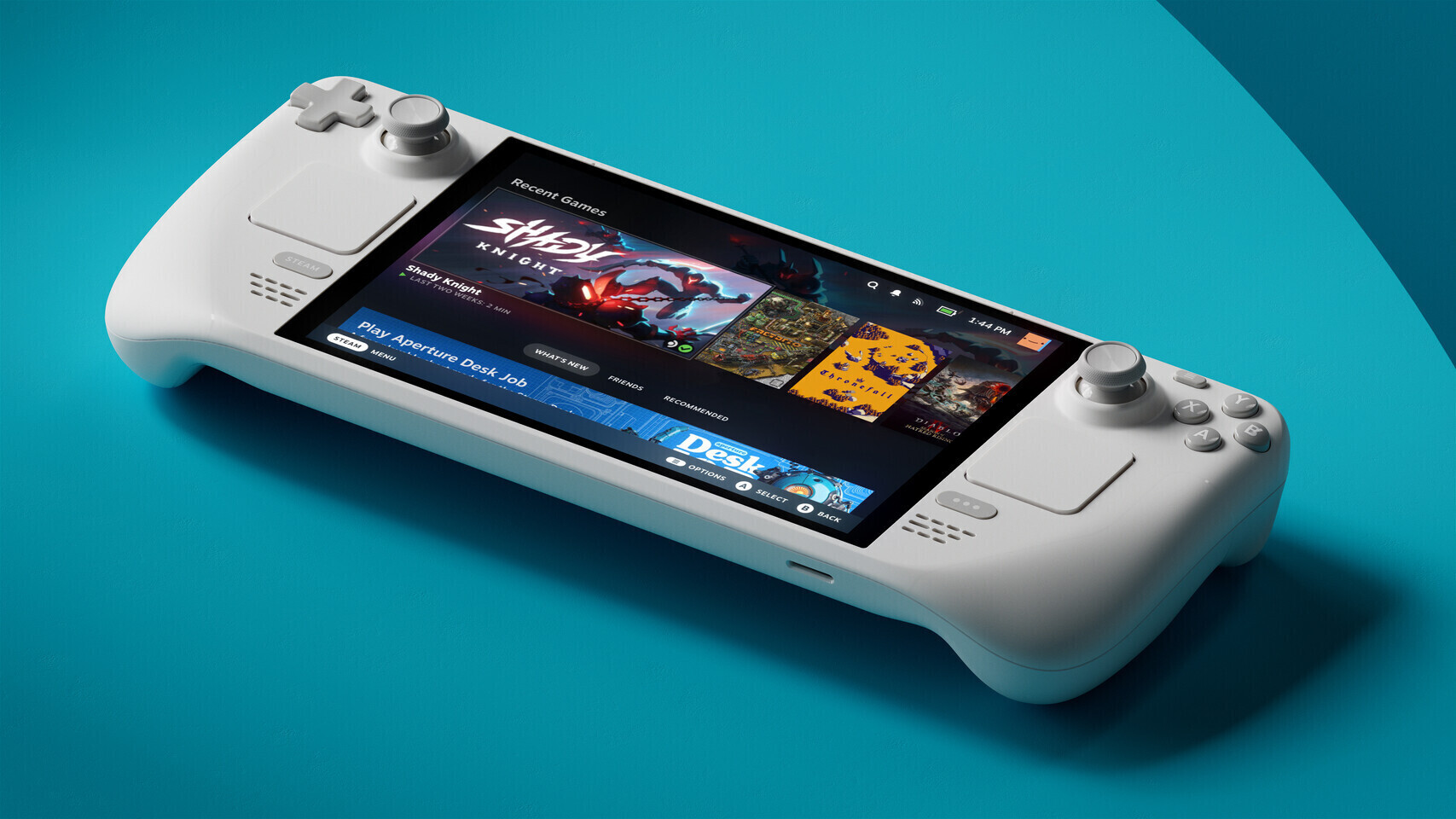
The handheld’s price point—starting at $599—is competitive, but it faces stiff competition from established players like Steam Deck and Nintendo Switch. Analysts note that the device’s timing is less than ideal, arriving as consumer interest shifts toward more powerful, stationary gaming setups. This could leave Project X in a tricky position: good enough to attract attention, but not transformative enough to redefine the category.
Industry reaction has been mixed, with some praising its performance and others questioning its market fit. The handheld’s lack of a clear differentiator may leave it playing catch-up in what is already a crowded space. For Acer, this launch serves as both an opportunity and a test—can it strike while the iron is hot, or will this device fade into the background like so many before it?