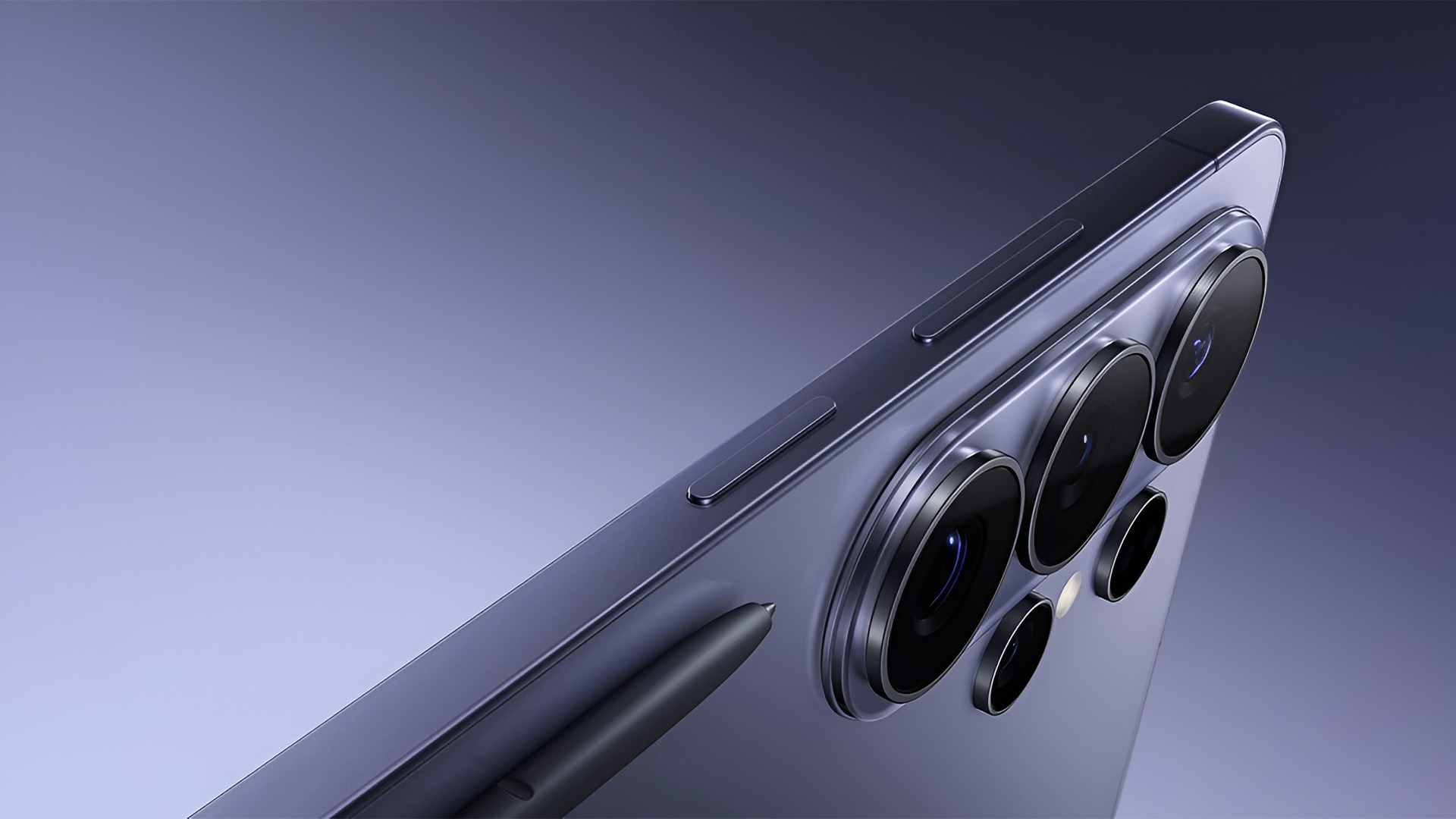
The smartphone industry is undergoing a quiet but significant transformation, driven not by consumer demand but by economic reality. The once-universal teardrop notch—dismissed years ago in favor of more refined bezels and under-display cameras—is making a comeback. At the same time, display refresh rates are slowing from 120Hz to 90Hz, a change that would have been unthinkable just two years ago.
This reversal isn’t about innovation; it’s about cost. Rising prices for memory and storage chips are forcing manufacturers to rethink their hardware strategies. The teardrop notch, once seen as outdated, is now a practical solution because it reduces the need for additional components in the front of the device. Similarly, 90Hz displays cut down on power consumption without sacrificing perceived smoothness, making them more cost-effective.
Key Specifications and Trade-offs
- Display: 6.1-inch AMOLED, 90Hz refresh rate (down from 120Hz in recent models)
- Notch Design: Teardrop notch with under-display fingerprint sensor (replacing full-screen front cameras)
- Memory and Storage: Up to 8GB LPDDR4X RAM, 128GB UFS 2.1 storage (standard configurations likely to shrink further)
- Performance Chip: Mid-range octa-core processor with integrated GPU (no dedicated GPU in entry-level variants)
A closer look at the specs reveals a device that balances cost and functionality, but not necessarily performance. The 90Hz display, for example, still delivers smooth scrolling and animations—enough to avoid complaints from users accustomed to 60Hz—but it’s no longer the high-end benchmark it once was. Meanwhile, the teardrop notch isn’t just a throwback; it allows manufacturers to retain the under-display fingerprint sensor while avoiding the complexity of a full-screen camera module.
Industry Context: A Shift in Priorities
The trend toward older designs isn’t limited to one manufacturer. Multiple brands are reportedly testing teardrop notch prototypes, suggesting a broader industry response to rising component costs. This shift raises questions about whether users will notice the difference—and if they care. In a market where display technology has been a key selling point for years, moving back to 90Hz could be seen as a step backward.

Yet, the practical implications are more nuanced. For IT teams managing device fleets, this means fewer high-refresh-rate displays in corporate-grade devices, potentially impacting user productivity without a clear justification. The teardrop notch, while visually dated, doesn’t inherently degrade functionality—it’s simply a different aesthetic choice driven by economics.
Implications for Users and Manufacturers
The real-world impact of these changes will depend on how manufacturers frame them. If marketed as premium features rather than cost-saving measures, users may accept the 90Hz displays without resistance. However, if budget constraints force further compromises—such as reduced RAM or weaker processors—the trade-offs could become more noticeable.
For IT professionals, this trend signals a potential shift in device specifications for business environments. While 120Hz displays are still common in high-end models, the move to 90Hz suggests that even mid-tier devices may no longer prioritize top-tier refresh rates. This could simplify procurement decisions but also limit future-proofing.
What’s Confirmed and What Remains Uncertain
Several details are still unclear. It’s not yet confirmed whether all manufacturers will adopt the teardrop notch, or if this is a temporary response to supply chain pressures. Additionally, the performance impact of integrated GPUs in entry-level models remains a question—will they be sufficient for basic business applications, or will users encounter lag in multitasking scenarios?
One thing that’s certain is that cost efficiency is now a primary driver of design choices. The teardrop notch and 90Hz displays are practical solutions to economic constraints, but whether they represent the future of smartphone design—or just a necessary detour—is still an open question.