Samsung is facing growing shareholder unrest over a compensation plan for its memory division employees that could deliver six-figure bonuses—some nearing $400,000 per worker. The arrangement has ignited debate about whether such incentives are justified amid market conditions and whether they comply with regulatory expectations.
The proposed bonus structure, tied to performance metrics in Samsung’s memory chip business, is drawing sharp criticism from investors. While the company insists the plan aligns with industry standards, shareholders argue that the payouts are excessive given current market dynamics. The controversy underscores broader tensions between executive compensation and shareholder value, particularly as semiconductor markets experience volatility.
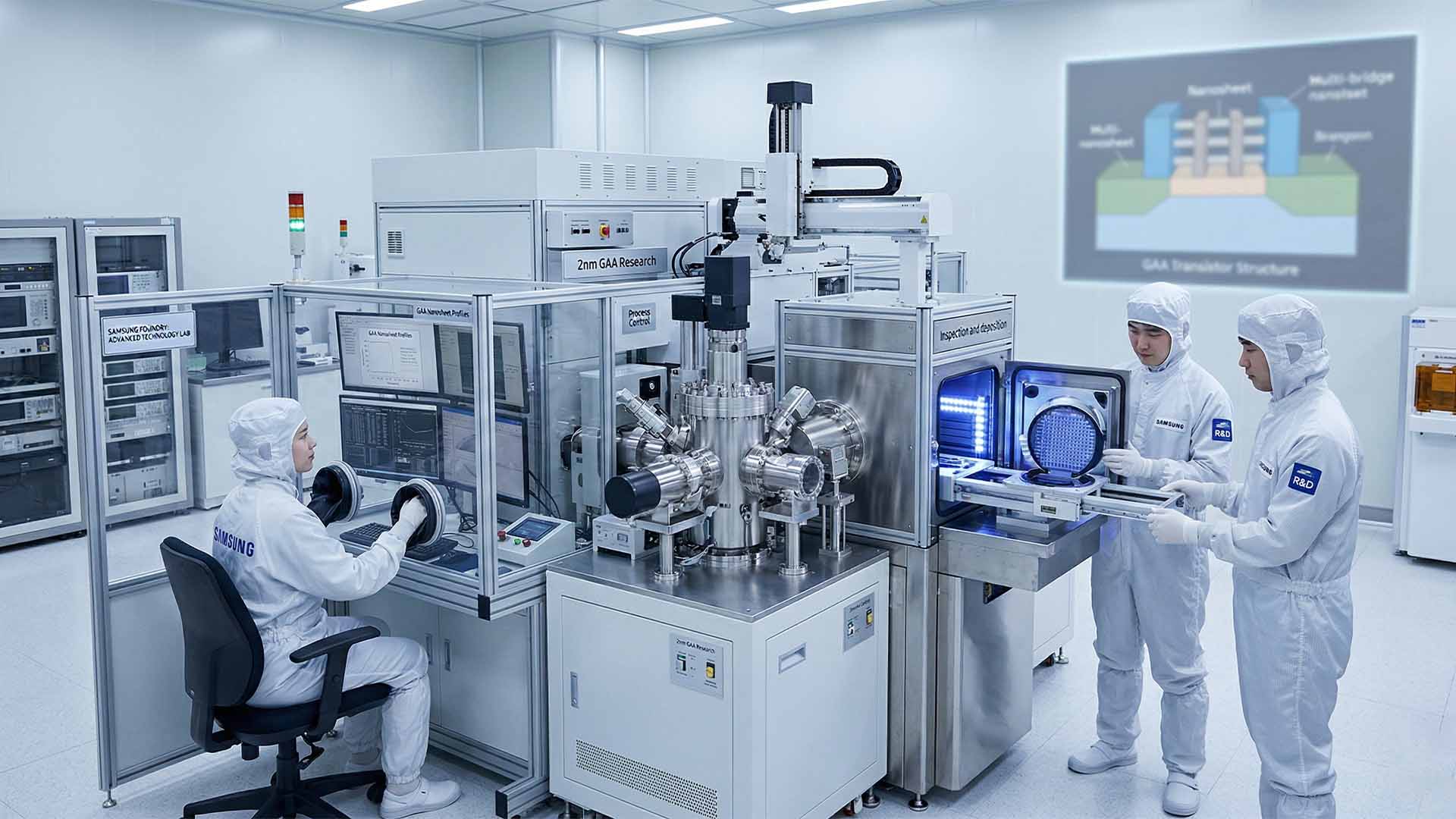
Samsung’s memory division has been a key driver of its revenue in recent years, but the proposed bonuses have become a flashpoint for discussions about corporate governance. Shareholders are questioning whether the incentives are sustainable or if they risk undermining long-term stability. The situation reflects a broader trend where tech firms grapple with balancing aggressive compensation strategies with investor scrutiny.
What remains unclear is how Samsung will respond to this backlash. Will it adjust the bonus structure, defend its approach, or seek alternative ways to reward employees while addressing shareholder concerns? For now, the debate serves as a reminder that even industry leaders are not immune to the pressures of corporate accountability.