A 13-inch Surface Laptop is on the horizon, promising a balance of compact design and high-performance specifications that rival some of Apple’s latest offerings. With up to 16GB of RAM—a rare inclusion in this size—Microsoft aims to position it as a premium choice for professionals who demand both power and portability.
This new model will feature the same sleek, aluminum chassis seen in previous Surface Laptops, but with notable upgrades under the hood. The most striking change is the jump to 16GB of RAM, a capacity typically reserved for larger, more expensive systems. That, combined with an 8-core Intel Core Ultra 7 processor and 512GB of SSD storage, suggests Microsoft is targeting users who prioritize performance in a slim package.
Key specifications
- Display: 13-inch (2400 x 1600) 9-to-1 pixel density, 100% DCI-P3 color volume, Dolby Vision HDR support
- Processor: Intel Core Ultra 7 (8-core)
- RAM: Up to 16GB LPDDR5x
- Storage: 512GB NVMe SSD
- Battery life: Up to 13 hours of local web browsing, 9.5 hours of video playback
- Ports: Two USB-C (one with Thunderbolt 4 support), Surface Connect for charging and accessories
- Weight: 2.6 lbs (1.2 kg)
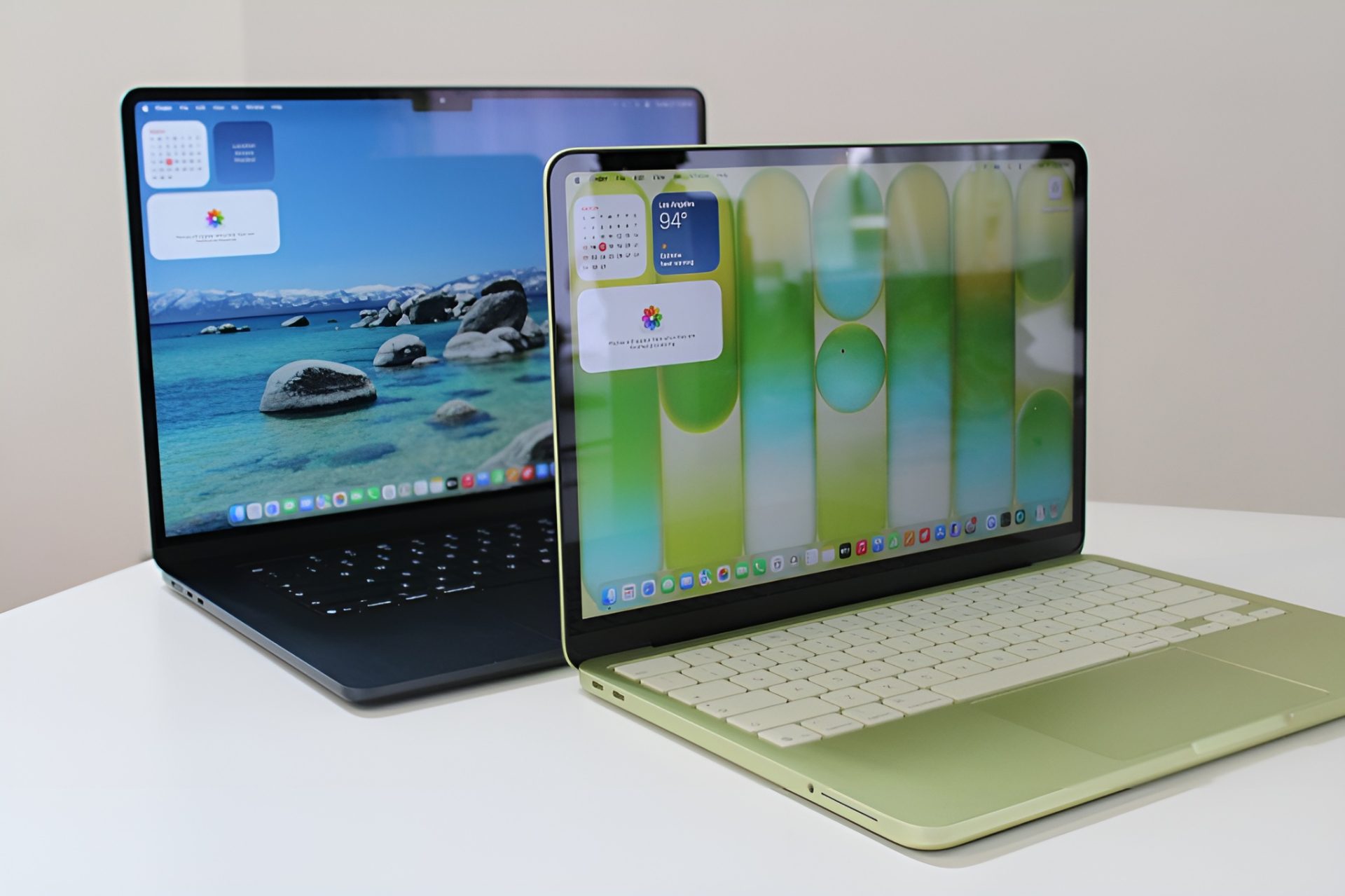
The combination of a high-resolution display, robust processor, and ample RAM makes this device particularly appealing for tasks like video editing or multitasking across multiple applications. For example, a creator working on both video projects and spreadsheets would notice the smooth performance when switching between resource-heavy tasks without lag.
Why it stands out
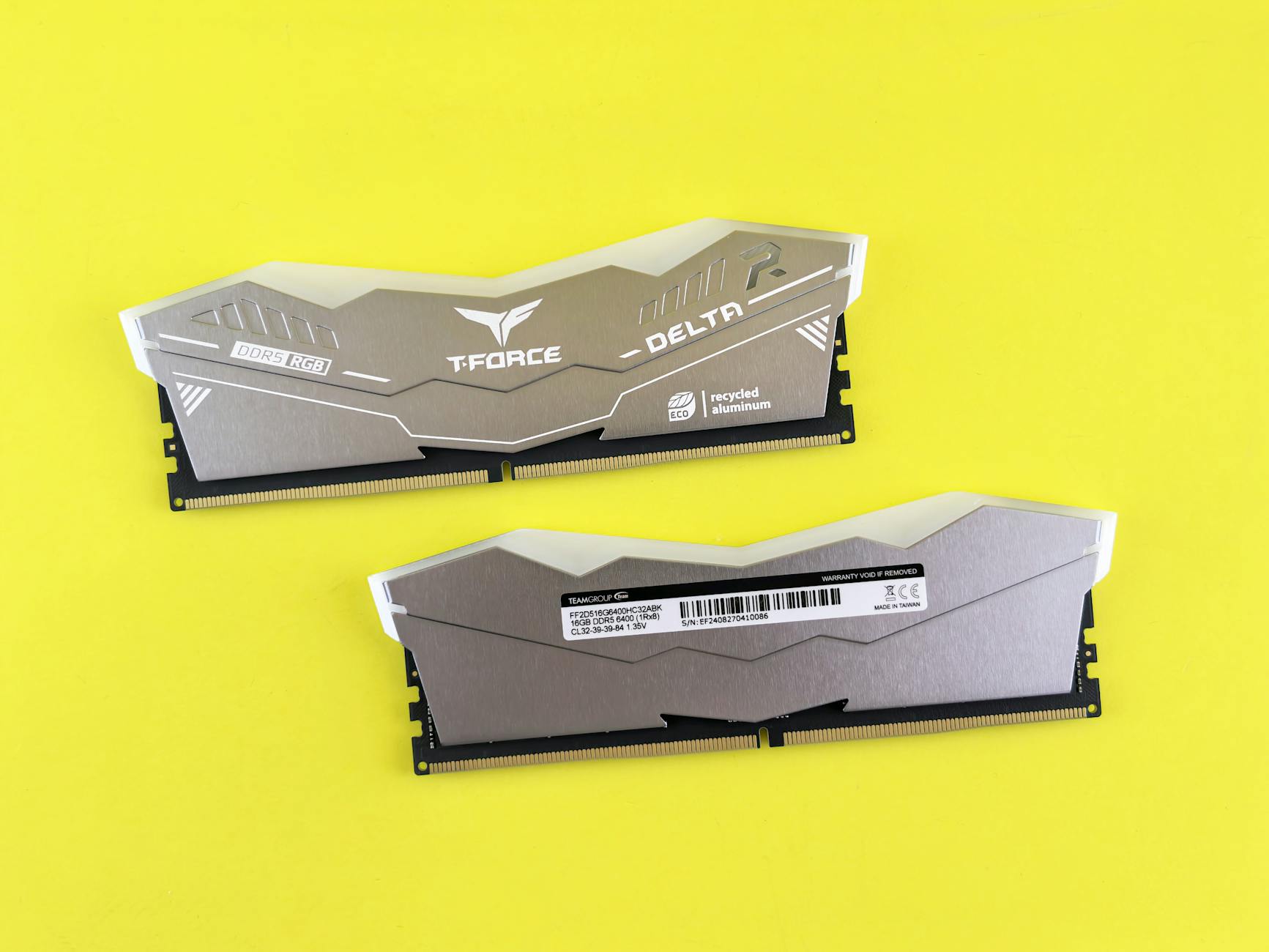
The 16GB RAM configuration is where this model carves its niche. Most 13-inch laptops in this price range max out at 8GB, leaving users with limited headroom for demanding workloads. This Surface Laptop, however, pushes that boundary, offering a configuration that could satisfy even the most performance-hungry professionals without sacrificing portability.
However, the premium price tag of $1,300 will likely limit its appeal to those who truly need the extra RAM and processing power. For everyday tasks like web browsing or document editing, 8GB is often sufficient, making this a niche product for specific use cases rather than a universal upgrade.
What’s next
Microsoft has not yet confirmed an official launch date, but leaks suggest it could appear alongside other new Surface devices later this year. IT teams evaluating this model should weigh the cost against the need for 16GB RAM and consider whether the trade-off is justified for their workflows.
The Surface Laptop’s entry into the 13-inch ultraportable segment could reshape expectations for what’s possible in a slim, lightweight device. If Microsoft delivers on its promises of performance and battery life, it may prove to be a compelling alternative to established players like Apple, particularly for professionals who rely on Windows ecosystems.