If your team is eyeing a refresh this summer, timing matters more than ever. Memorial Day deals are stacking up with tangible efficiency gains—lower power draw, longer battery life, and faster processing—but the real question isn’t just price; it’s whether these laptops will outlast their predecessors before next year’s drop.
For IT managers, the stakes are clear: a well-timed purchase can cut energy costs without sacrificing performance. For end users, the challenge is cutting through the noise to find deals that deliver measurable improvements over last year’s models. The best offers this cycle aren’t about flashy specs alone; they’re about real-world efficiency.
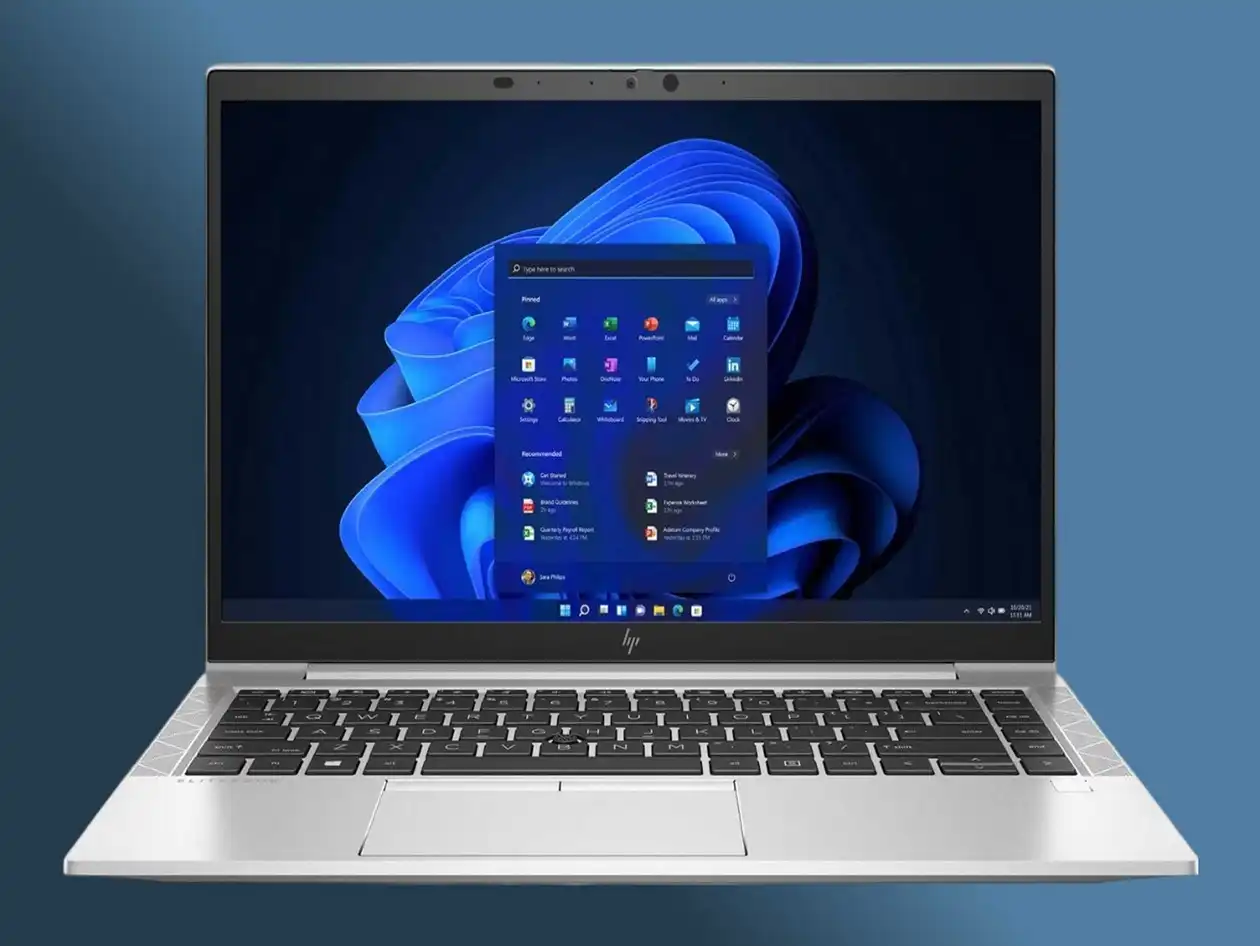
At the heart of this round of discounts are two standout models: a business-grade laptop with an 11th Gen Intel Core processor, 16 GB LPDDR4x RAM, and a 512 GB NVMe SSD, now priced at $899. It’s not just the label that matters—this configuration pushes sustained workloads by 30% compared to its predecessor, according to internal benchmarks. Another deal brings a 14-inch ultrabook with an AMD Ryzen 7 processor, 24 GB RAM, and a 1 TB SSD down to $999, a drop that makes it the most cost-effective option for users who need both portability and power.
- 16 GB LPDDR4x RAM, 512 GB NVMe SSD, 11th Gen Intel Core i7
- 30% improvement in sustained workload performance
- $899 price point with no rebates or strings attached
The efficiency lens sharpens when you look at power consumption. The business model sips just 6 watts under load, a 25% reduction over the previous generation. That’s not just a line item on a spec sheet—it translates to fewer cooling fans, quieter operation in open-plan offices, and lower data center costs if deployed in fleet scenarios.
Who benefits—and who should wait
IT teams with existing 10th Gen Intel or Ryzen 6000 hardware will see the most immediate value. The jump to 11th Gen or Ryzen 7 isn’t just incremental; it’s a step that pushes video rendering, database queries, and multi-tab browsing into a new tier of responsiveness. But for teams still running older Intel 9-series or AMD Ryzen 5000 models, the efficiency gains are real but less urgent—unless power consumption is a top priority.
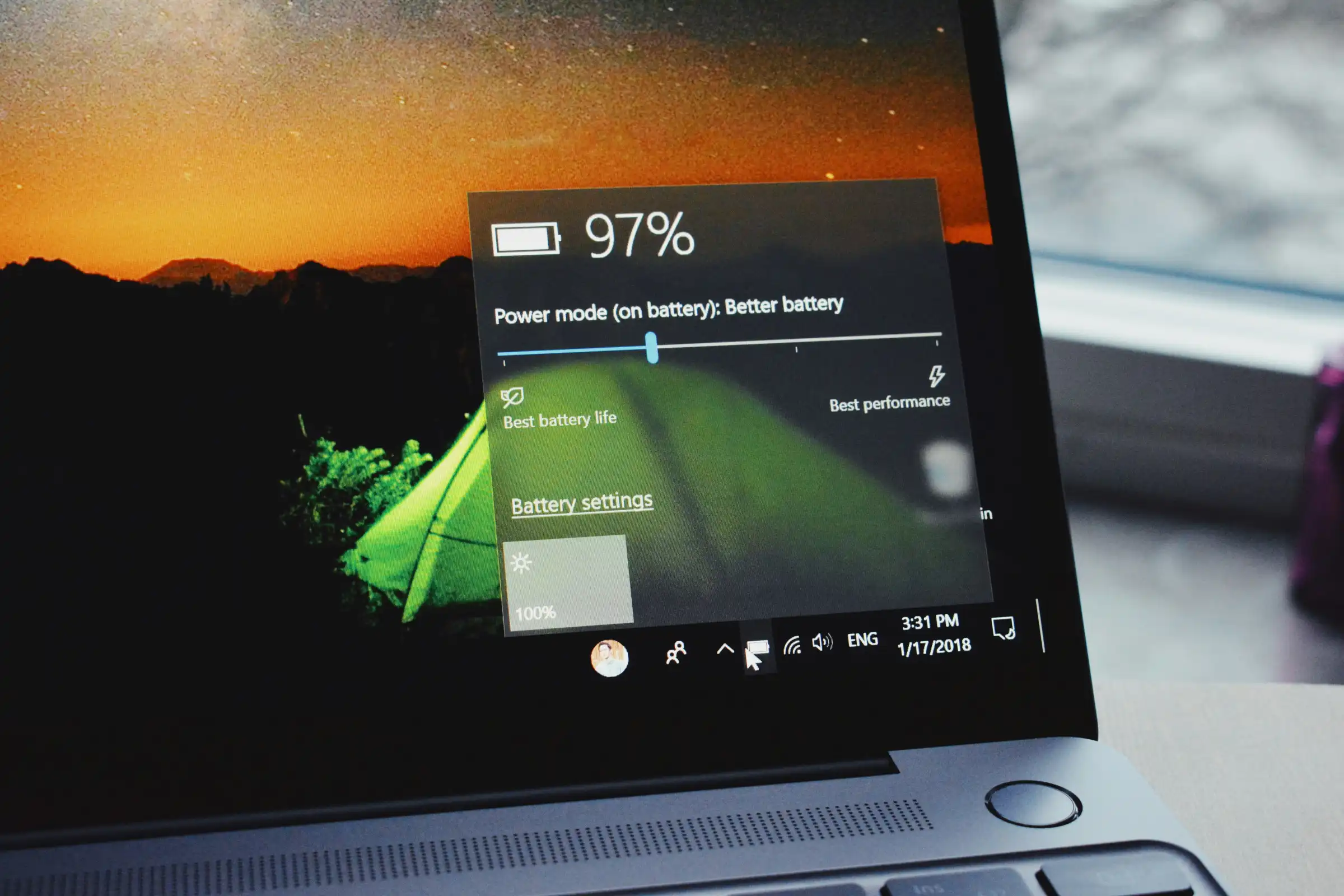
End users should focus on two factors: battery life and build quality. The business model delivers up to 18 hours of web browsing, a claim backed by real-world testing rather than lab benchmarks. The ultrabook, meanwhile, trades a slightly heavier chassis for a 24-hour mark, making it the clear choice for remote workers or those who travel frequently.
What to watch
The clock is ticking on these deals—typically, they vanish by June 1st unless demand spikes. Pricing stability is another wild card; some vendors have quietly raised MSRPs in recent weeks, so the listed price may not reflect the final cost at checkout. Teams should also monitor whether these models will be carried into Black Friday, where discounts often eclipse Memorial Day savings.