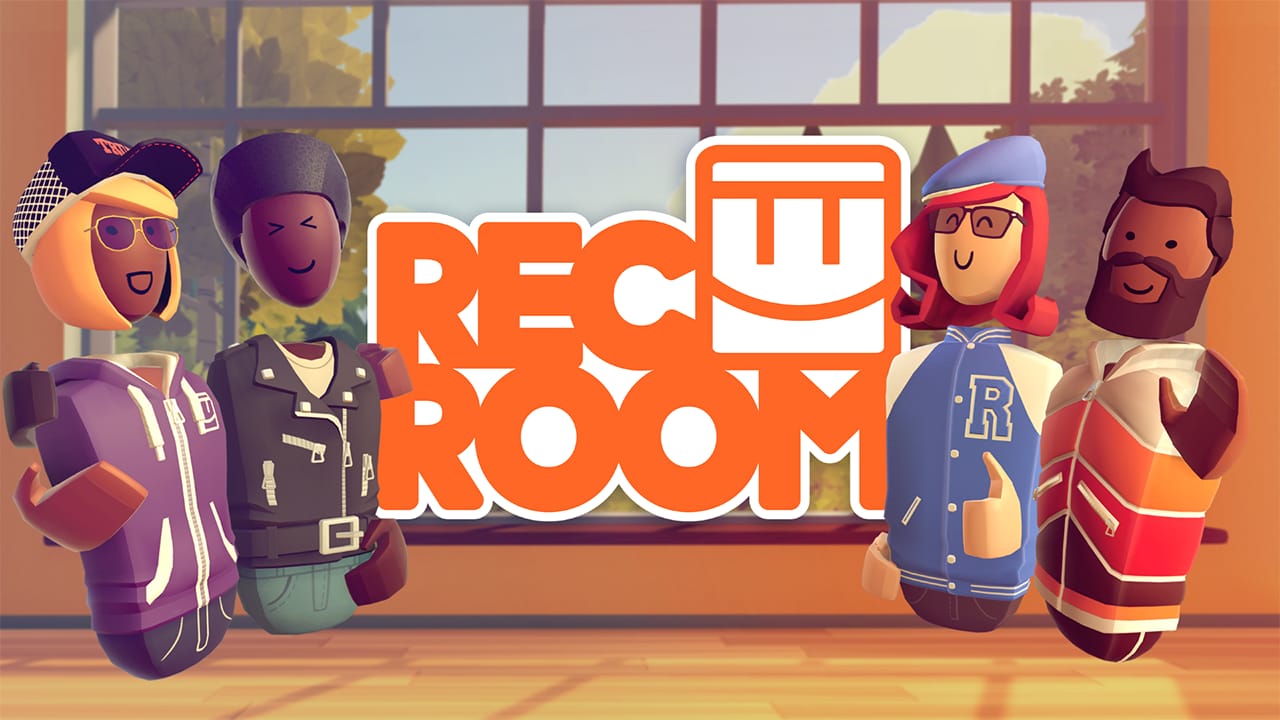
For those who spent years navigating Rec Room’s pixelated avatars, custom rooms, and endless multiplayer games, the announcement that the platform will cease operations this June marks a quiet end to an era. Launched in 2014, Rec Room became a staple for VR enthusiasts, offering a space where creativity met competition—all without the need for complex setups or high-end hardware.
But its shutdown isn’t just about nostalgia. It reflects broader shifts in how virtual social platforms operate today. Where Rec Room once thrived on simplicity and accessibility, modern alternatives have leaned into more immersive worlds, deeper social integration, and cross-platform play. The question now is whether its absence leaves a gap—or if the metaverse has simply moved past the model it perfected.
Key Highlights
- Shutdown Date: June 30, 2024
- Legacy: Pioneered VR social gaming with customizable rooms and multiplayer experiences
- Impact: Shaped the metaverse landscape before its time; no direct successor yet
The platform’s core appeal was its balance of simplicity and depth. Users could drop into a virtual space, pick up a game (from racing to paintball), or just chat with friends using customizable avatars. No subscription fees, no complex in-game economies—just pure, unfiltered social interaction in VR.
Where It Fits Now
Today, platforms like VRChat and Meta’s Horizon Worlds offer more polished, feature-rich environments, often with built-in economies or enterprise tools. Rec Room’s shutdown doesn’t necessarily mean those alternatives will fill the void, but it does underscore a trend: the metaverse is evolving toward more structured, monetized experiences. For users who loved Rec Room’s raw, unfiltered approach, the question becomes whether they’ll adapt—or if this marks the end of an era.
For enterprise buyers or developers eyeing VR social tools, Rec Room’s departure is a reminder that compatibility and long-term stability matter. While newer platforms promise more robust features, their staying power remains uncertain. The lesson? Even the most beloved platforms can vanish overnight, leaving behind a landscape that’s still figuring out its future.
The final chapter for Rec Room closes this June, but its influence on VR social interaction is already embedded in the platforms that followed. Whether it was ahead of its time or simply a casualty of change, one thing is clear: the metaverse will never be the same without it.