The DDR5 memory market in China has experienced a dramatic price correction, marking the end of an era where high-bandwidth RAM was a premium component reserved for next-generation gaming rigs and enterprise-grade systems. Prices have tumbled by as much as 70% in just a few months, a stark contrast to the scarcity-driven inflation that characterized the market during its early adoption phase.
This shift is part of a larger industry-wide correction following years of supply chain disruptions that pushed prices upward during the pandemic. The sudden surplus of DDR5 modules has caught manufacturers off guard, leaving them with excess inventory while demand softens in key sectors. The result is a market in flux, where buyers can now access high-performance memory at a fraction of its peak cost.
For gamers, the implications are mixed. While the reduced price tag makes DDR5 more accessible, it also raises questions about long-term platform compatibility. Newer motherboards and CPUs designed to leverage DDR5's full potential may not see proportional price declines, potentially locking consumers into more expensive platforms. This could force buyers to weigh immediate savings against future flexibility.
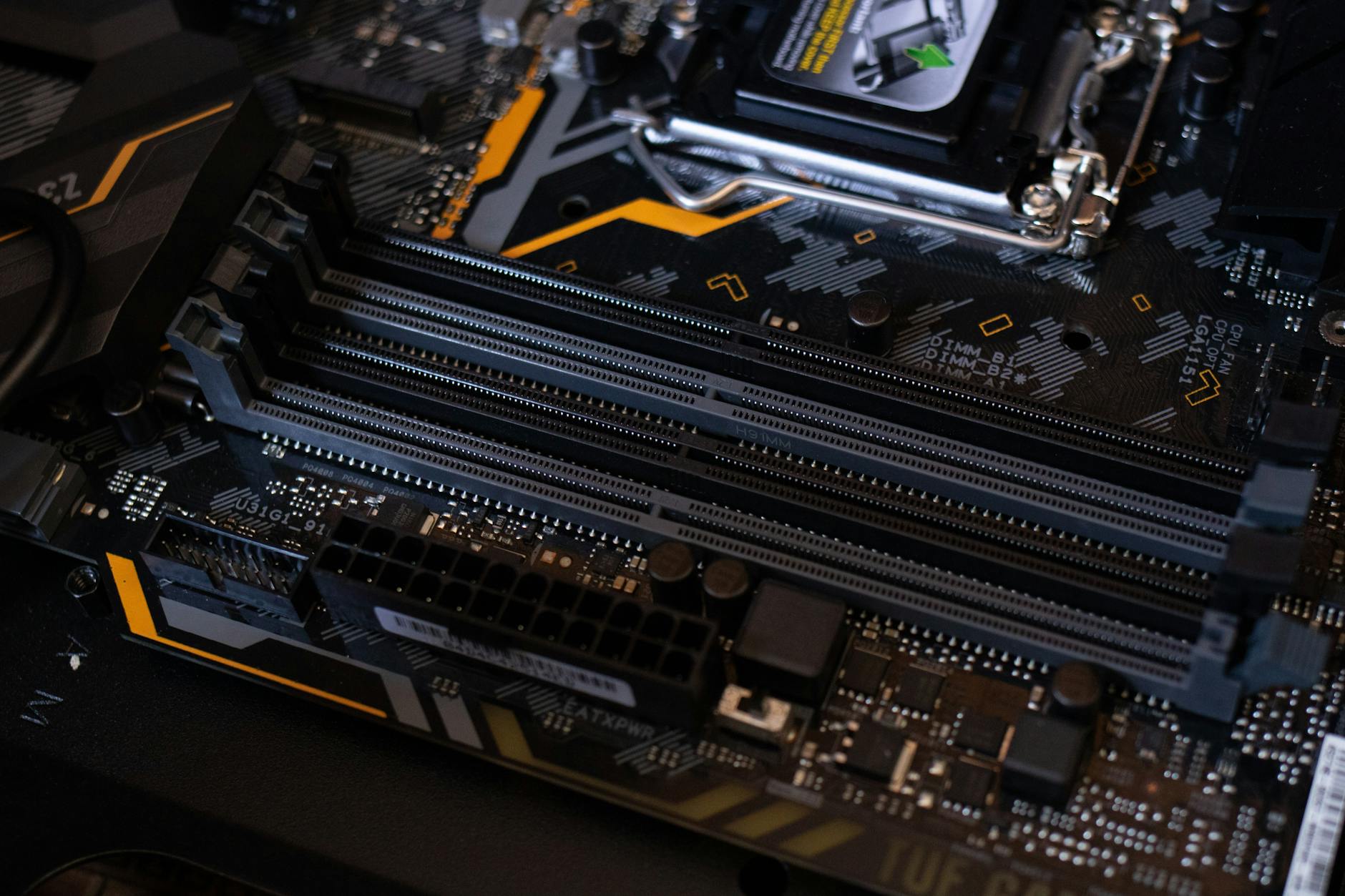
Data centers are another sector navigating this transition. The demand for high-bandwidth memory has been a driving force behind modern compute architectures, but the surplus of DDR5 introduces new variables. While cloud providers and enterprise customers benefit from lower costs, there is also the risk of over-procurement, which could destabilize future pricing or lead to obsolescence if newer standards emerge before the current generation is fully utilized.
The long-term impact of this price correction remains uncertain, but one thing is clear: the DDR5 market has entered a new phase. Buyers must now balance immediate cost savings with the potential risks of platform lock-in and evolving technology. Those who move quickly may gain an advantage in a market still adjusting to its new dynamics, while others could find themselves waiting for the next innovation cycle to justify another investment.