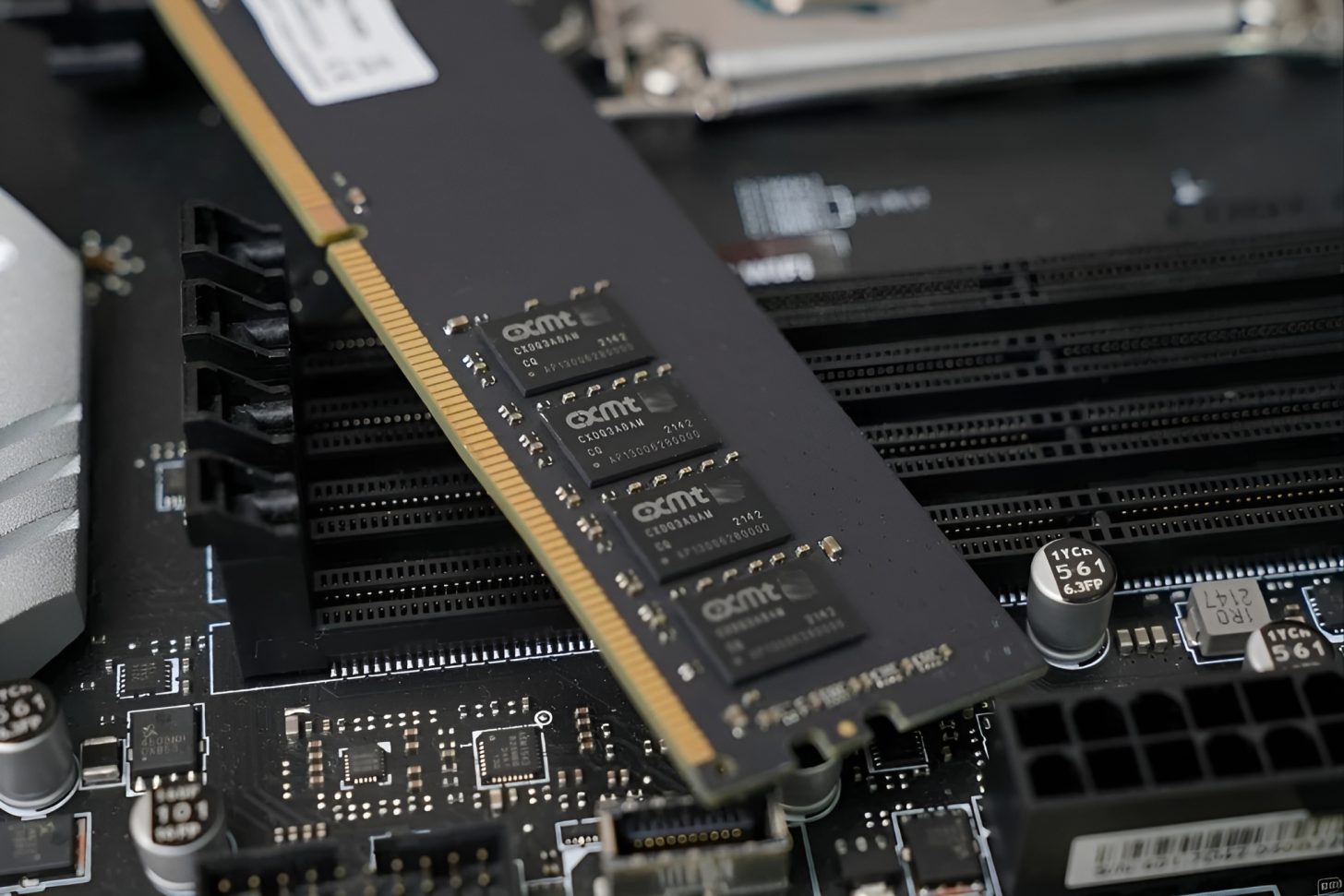
A developer specializing in game ports has announced plans to bring two of the most demanding PC titles—GTA V and Red Dead Redemption 2—to the Nintendo Switch. The project, led by Virtuos, promises a significant leap for portable gaming, though technical hurdles suggest this won’t be an easy feat.
Virtuos has gained attention for its ability to tackle what are often called 'impossible ports.' Unlike traditional game developers, Virtuos focuses on adapting complex PC games to new platforms, a niche that requires deep optimization and hardware expertise. Their track record includes successful ports of titles like Cyberpunk 2077, proving they can handle demanding workloads—but the Switch’s unique constraints add another layer of difficulty.
Performance and Thermals: The Real Test
The Nintendo Switch is known for its thermal limitations, particularly in handheld mode. Games that push hardware to its limits risk overheating or throttling, which can degrade performance or force early shutdowns. GTA V and Red Dead Redemption 2 are both notorious for their high system requirements on PC, making them poor candidates for a platform with less powerful hardware.
Virtuos claims it will address these issues through aggressive optimization, including frame rate adjustments, texture scaling, and possibly even custom engine modifications. However, whether these changes will preserve the games’ original quality—or even make them playable—remains an open question. Early benchmarks for similar ports suggest that performance will likely be a compromise between visual fidelity and stability.
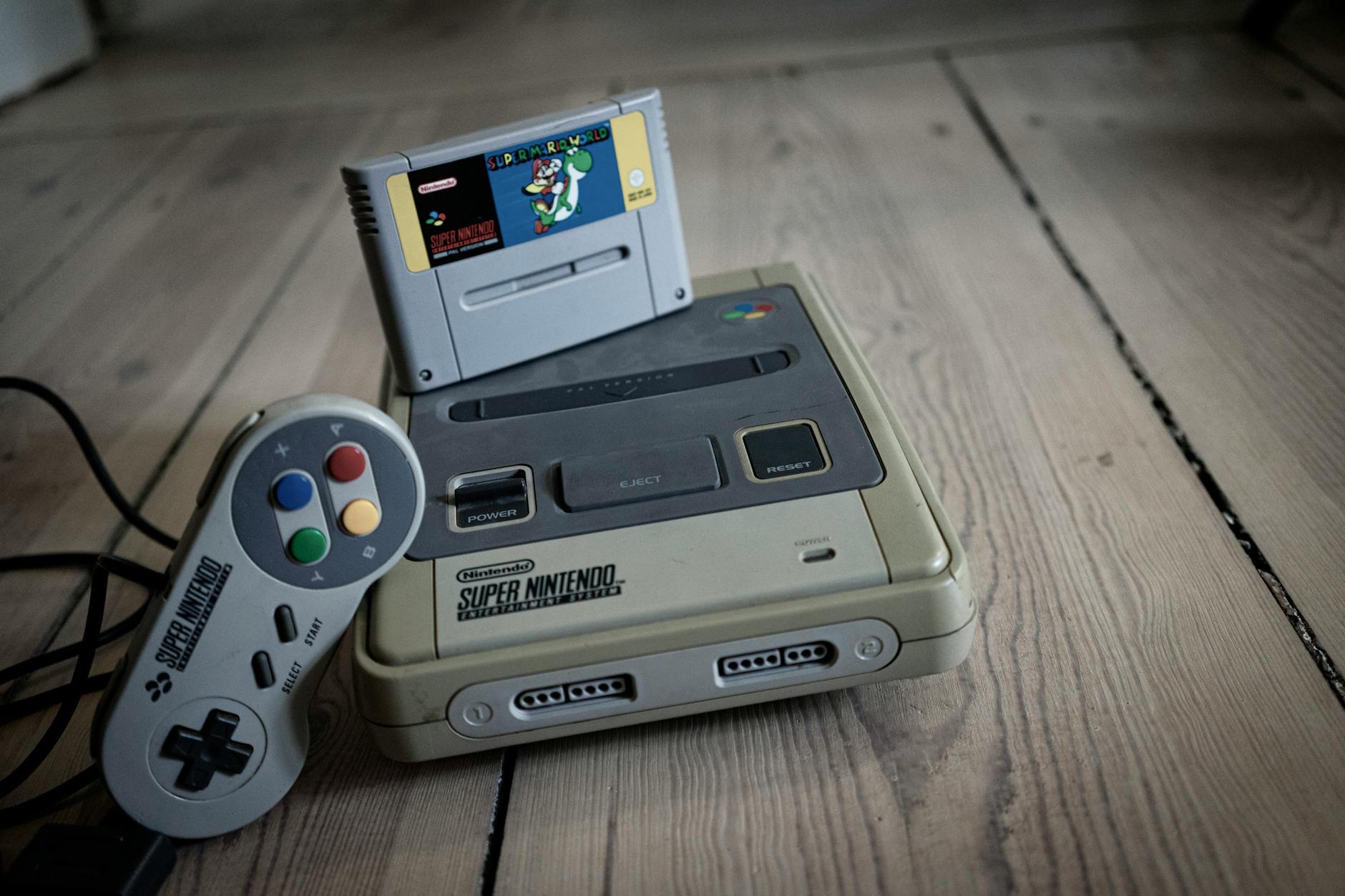
What’s at Stake
The stakes for this project are high, both for Virtuos and for Switch players. If successful, it could prove that even the most demanding PC games can find a home on portable hardware—something no other developer has achieved at scale. For players, it would mean access to two of gaming’s most beloved experiences, albeit with potential trade-offs in performance.
That said, the Switch’s hardware is fundamentally different from a high-end PC. The console lacks dedicated GPUs and relies on a custom ARM-based architecture, which can make optimization a complex balancing act. Virtuos will need to navigate these limitations carefully if it wants to avoid the pitfalls of previous ports that struggled with stability or overheating.
- Performance: Expect significant compromises in frame rates and graphical fidelity compared to PC versions.
- Thermals: Risk of overheating in handheld mode, potentially leading to throttling or early shutdowns.
- Playability: Input lag may be a concern, especially for open-world games with complex controls.
The project is still in its early stages, and Virtuos has not provided a timeline for release. If past projects are any indication, players might not see these ports until late 2024 or beyond. Whether the end result will be worth the wait remains to be seen—but one thing is clear: this could push the boundaries of what’s possible in portable gaming.
For now, the focus is on whether Virtuos can crack the code for two 'impossible ports.' If they succeed, it would mark a turning point for Switch gaming, proving that even the most demanding titles can adapt to portable hardware. But if performance issues persist, this project could just be another example of why some games are better left on their original platforms.