ChatGPT’s banking capabilities are often discussed as if they represent a fundamental shift in how people handle money—one that could make traditional financial tools obsolete. In truth, the changes are more about refining existing processes than upending them.
The assumption is that linking bank accounts to an AI would instantly make financial management effortless: no manual logins, no double-checking transactions, just seamless automation. While this is partially accurate, the experience remains constrained by practical limitations. For instance, ChatGPT can now initiate transfers or schedule payments, but it does so within predefined parameters—transaction limits, account verification steps, and user-initiated confirmations are still required.
This means that for most users, the biggest change is not in functionality but in workflow. Tasks that once required multiple clicks—such as moving funds between accounts or setting up recurring payments—can now be handled with a single command. However, this convenience comes with trade-offs: users must still monitor their activity to prevent errors or fraud, and the system does not replace the need for human oversight.
Security measures are in place, but they rely on familiar safeguards rather than groundbreaking innovations. Two-factor authentication remains standard, and any transaction beyond a set threshold triggers manual review. The difference is that these checks happen automatically when prompted by ChatGPT, rather than requiring users to navigate separate banking interfaces. This dual-layer approach aims to reduce friction without compromising control.
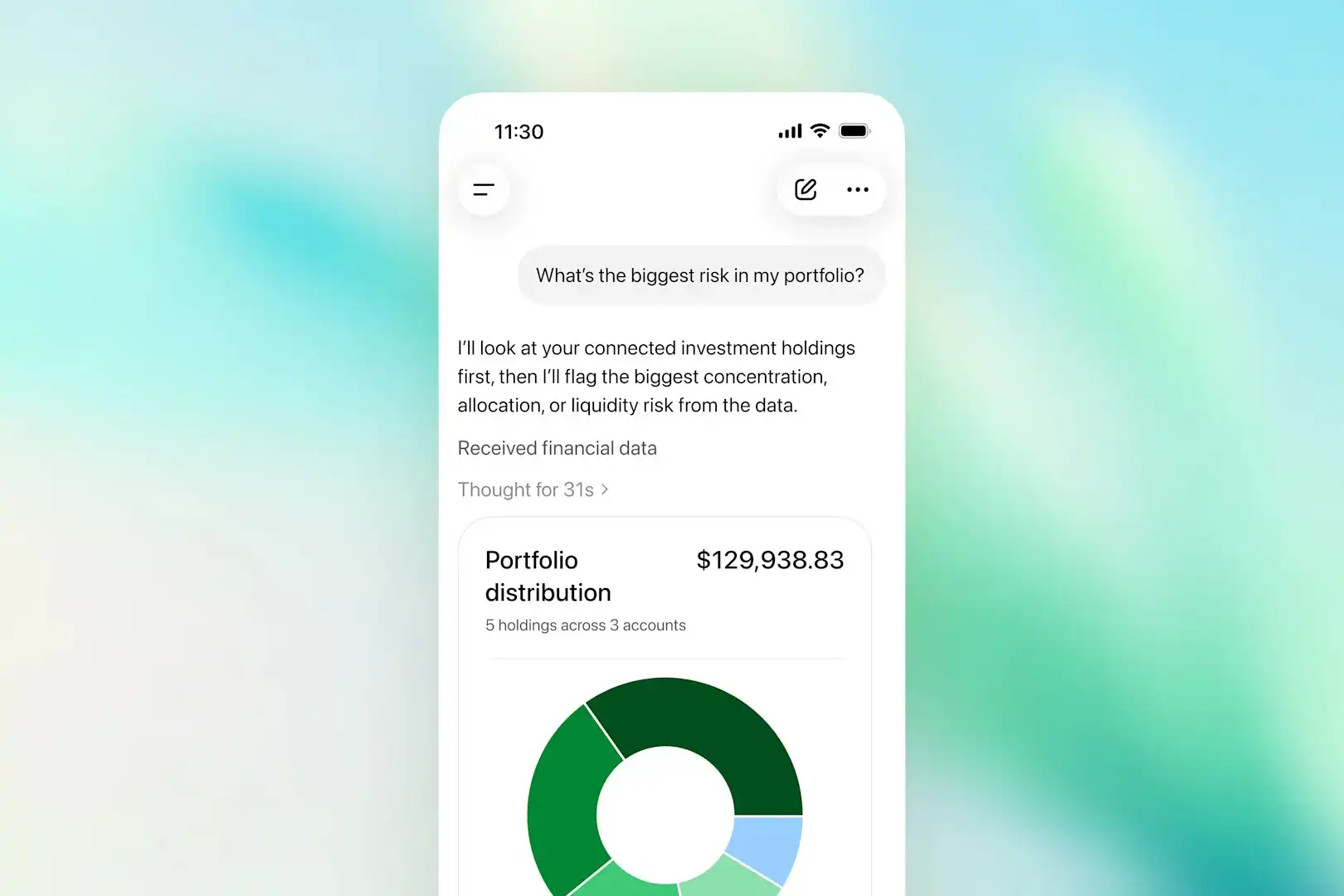
For developers, the integration opens doors for building more sophisticated financial applications—automated budgeting tools, AI-driven investment suggestions, or even custom workflows that pull data from multiple accounts. But for everyday users, the impact is more subtle: a slight speed bump in routine tasks rather than a paradigm shift.
The broader conversation around AI and banking often focuses on the potential for disruption, but the current reality is one of incremental improvement. While power users—such as financial analysts or small business owners—can leverage these tools to save time, the average consumer may find more value in simplicity than in transformation. The question becomes whether the added convenience outweighs the need for vigilance.
Ultimately, ChatGPT’s banking access is a step toward greater integration, not a leap into the future. Its true benefit lies in making existing processes smoother, not in replacing them entirely. For those who treat it as a tool rather than a solution, it can be valuable—but for others, it may simply add another layer of complexity to an already intricate financial landscape.