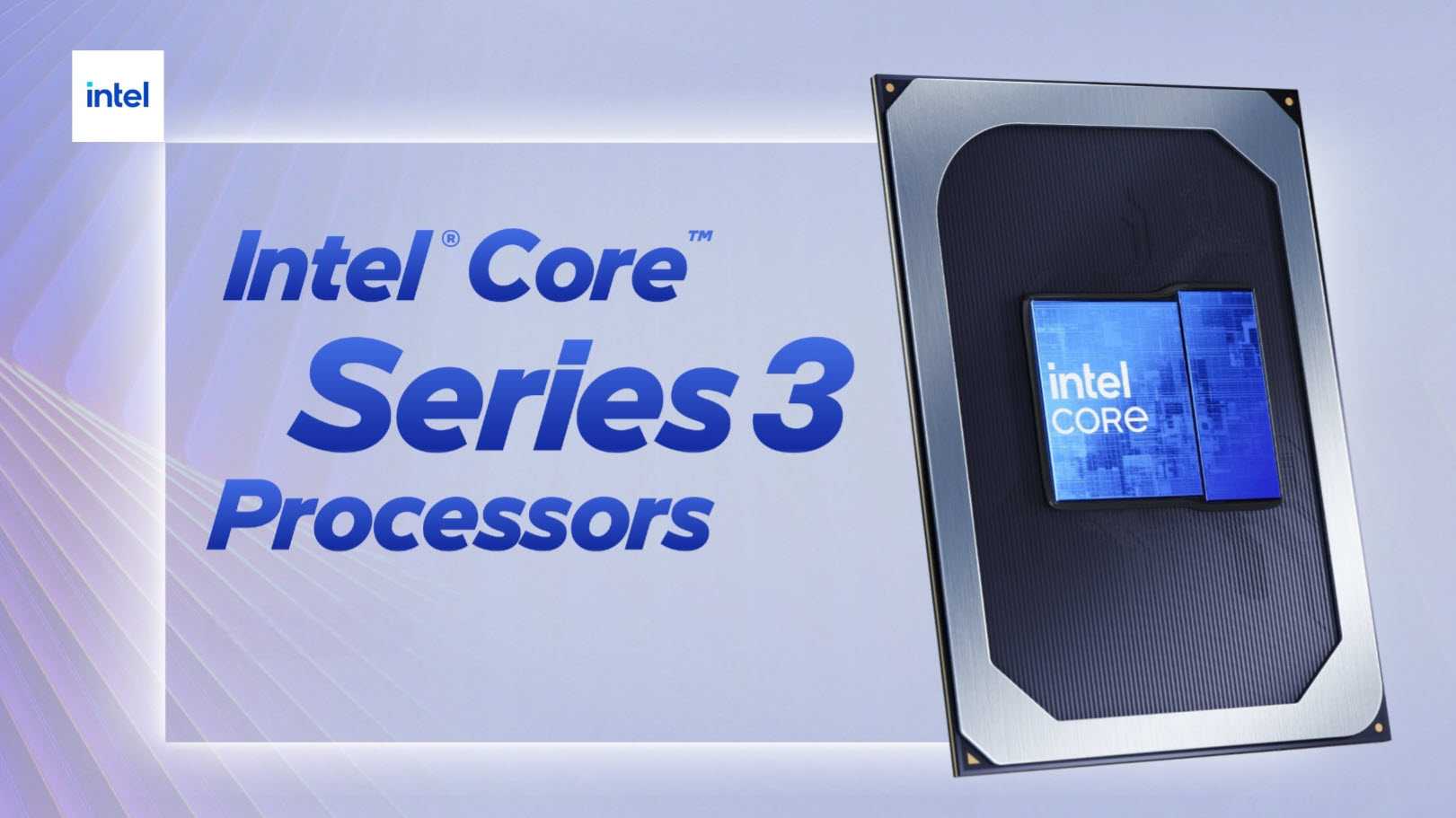
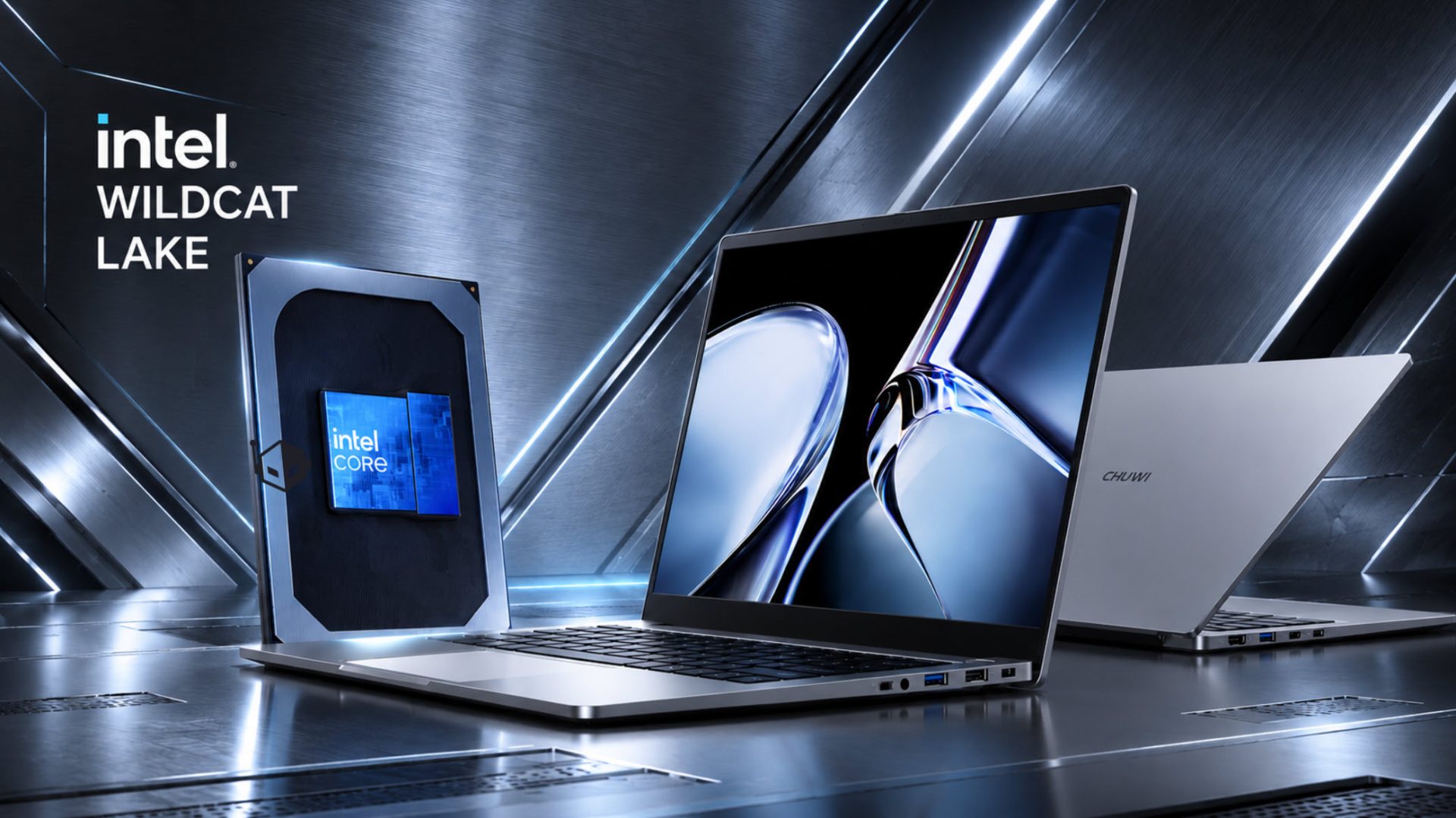
Intel's 13th-generation Wildcat Lake processors are stepping into the mainstream with a $449 laptop that redefines what’s possible at this price point. The CHUWI Unibook, equipped with these new chips, delivers performance and efficiency improvements that go beyond typical budget offerings, particularly in battery duration and screen quality—areas where even premium laptops often fall short.
The Wildcat Lake platform brings a blend of power and efficiency to the table. At its core, it features up to 12 execution units (EUs) paired with a base clock speed of 1.4 GHz that can be turbo-boosted to 3.8 GHz. This setup is supported by 18 MB of eDRAM, which acts as a high-speed cache, significantly reducing latency for demanding tasks. The integrated graphics, based on Intel's Xe architecture, offer up to 96 execution units, providing a noticeable boost in rendering performance compared to previous generations.
One standout feature is the laptop’s display. It sports a 14-inch 2K resolution (2560 x 1600) IPS panel with a 60 Hz refresh rate and 300 nits brightness, delivering vibrant colors and sharp visuals without stretching the battery life. This is particularly impressive given the compact form factor—measuring just 12.8 inches by 9.4 inches by 0.7 inches (325 mm x 240 mm x 18 mm)—which makes it one of the more portable options in its class.
Why It Matters
The CHUWI Unibook isn’t just about specs; it’s a practical shift for users who demand more without paying premium prices. For example, the laptop’s battery life is a notable 10 hours on average, which is rare in this segment and often exceeds what even mid-range MacBook models deliver under similar workloads. Additionally, the inclusion of multiple USB-C ports with Thunderbolt 4 support means users can connect high-speed peripherals without needing dongles, a common workaround for many budget laptops.
Performance in Context
When placed against competitors, the Wildcat Lake-powered Unibook holds its ground. Its CPU performance is on par with some of Intel's higher-end 12th-generation chips, while the integrated graphics and eDRAM cache provide a tangible upgrade for tasks like video editing or 3D modeling. The laptop also supports up to 64 GB of DDR5-4800 RAM, which, when combined with the processor’s efficiency improvements, allows for smoother multitasking and longer battery life.
The design is another area where this model stands out. It weighs just 2.97 pounds (1.35 kg), making it lightweight enough for daily carry while still being sturdy. The build quality, with a magnesium alloy chassis, gives it a premium feel that’s often missing in budget laptops. However, the lack of a dedicated GPU means it won’t excel in high-end gaming or professional workloads that rely heavily on discrete graphics.
Looking Ahead
While the Wildcat Lake platform confirms Intel’s push to bring more powerful and efficient chips to the budget segment, there are still questions about long-term support. For instance, whether future software updates will fully optimize for these processors remains uncertain. Additionally, the lack of a dedicated GPU limits its appeal to users with specialized needs, such as 3D rendering or high-end gaming.
Despite these limitations, the CHUWI Unibook represents a significant leap forward for Intel’s budget-friendly offerings. It proves that performance and portability don’t have to come at a premium price, especially when paired with thoughtful engineering like the eDRAM cache and efficient power management. For power users who prioritize battery life, screen quality, and connectivity over raw GPU power, this laptop is a compelling choice—one that sets a new benchmark for what’s achievable in the sub-$500 range.