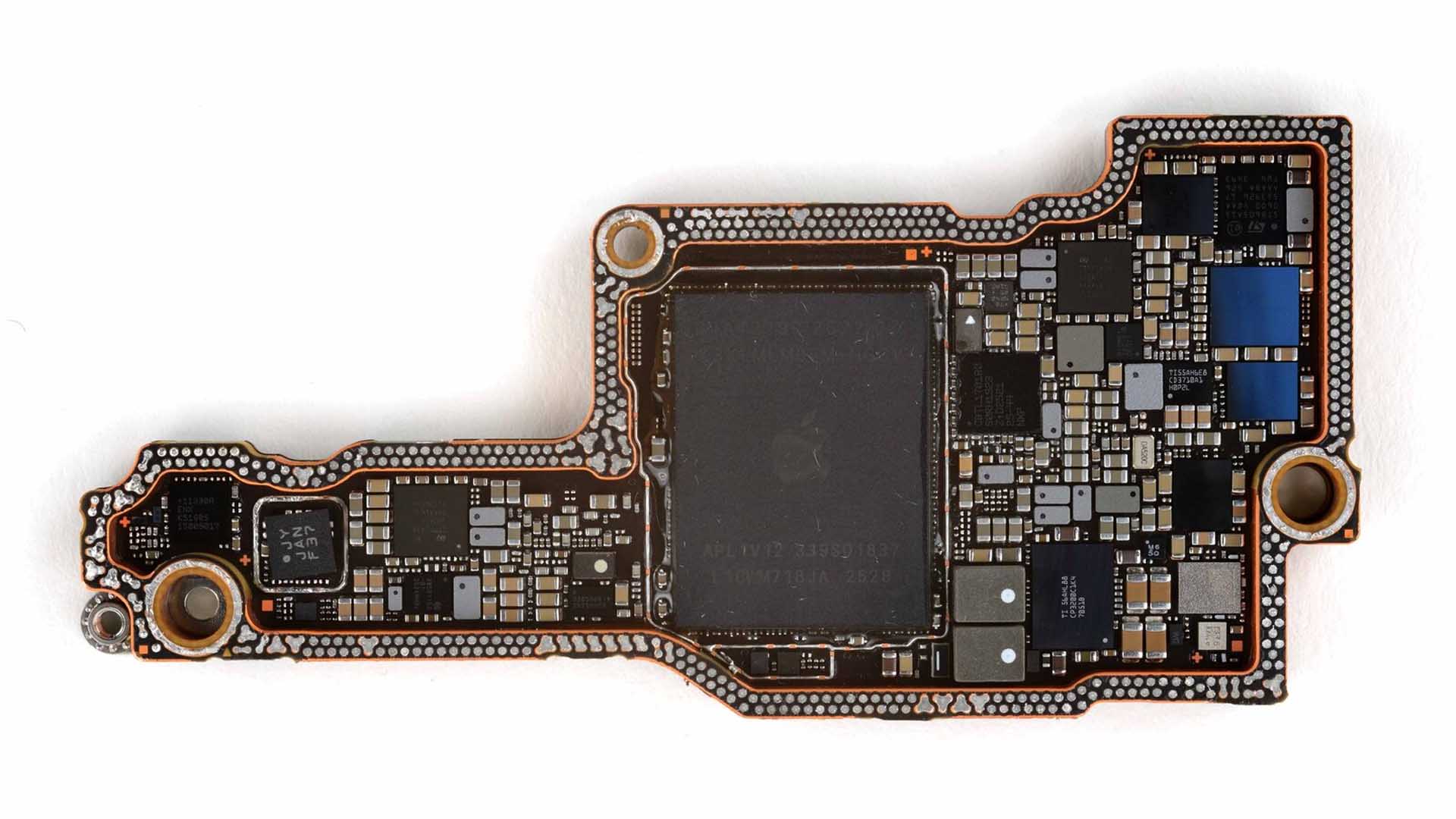
A single chip produced today carries more computational power than entire mainframe systems did a few decades ago. Yet behind that exponential leap lies a quiet revolution: AI is now being woven into the very fabric of semiconductor manufacturing. Dell and Samsung are among the first to deploy infrastructure designed to handle the massive data workloads that come with next-generation fabrication, signaling a broader trend where artificial intelligence isn’t just a tool for end products but a backbone for the factories that build them.
This isn’t just about speed—it’s about precision. Modern semiconductor plants generate terabytes of data every hour from tools like lithography machines and etch systems. AI models trained on this data can predict equipment failures before they happen, adjust process parameters in real time, or even optimize yield across entire wafer lots. But the infrastructure to support these workloads must be as advanced as the chips it helps produce.
Where AI Meets Fabrication
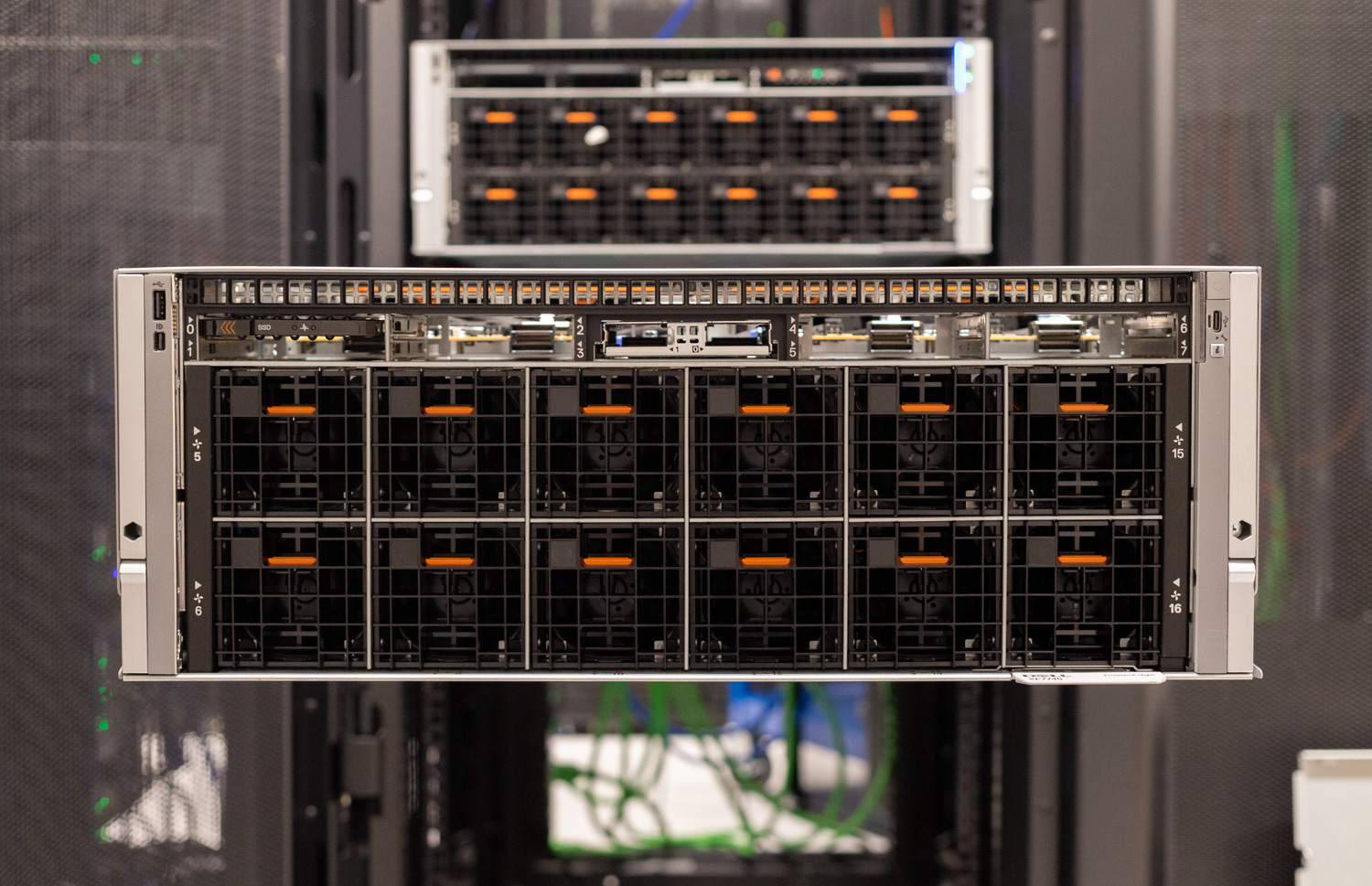
Dell’s latest offering, a high-performance computing cluster built for semiconductor manufacturing, pairs liquid-cooled GPUs with low-latency networking. It’s designed to run AI workloads that analyze production data in near real time, reducing downtime and improving consistency. Samsung, meanwhile, has integrated similar systems into its foundries, focusing on energy efficiency while maintaining throughput. Both approaches reflect a shift from reactive maintenance to proactive optimization—one where machines learn from their own operations.
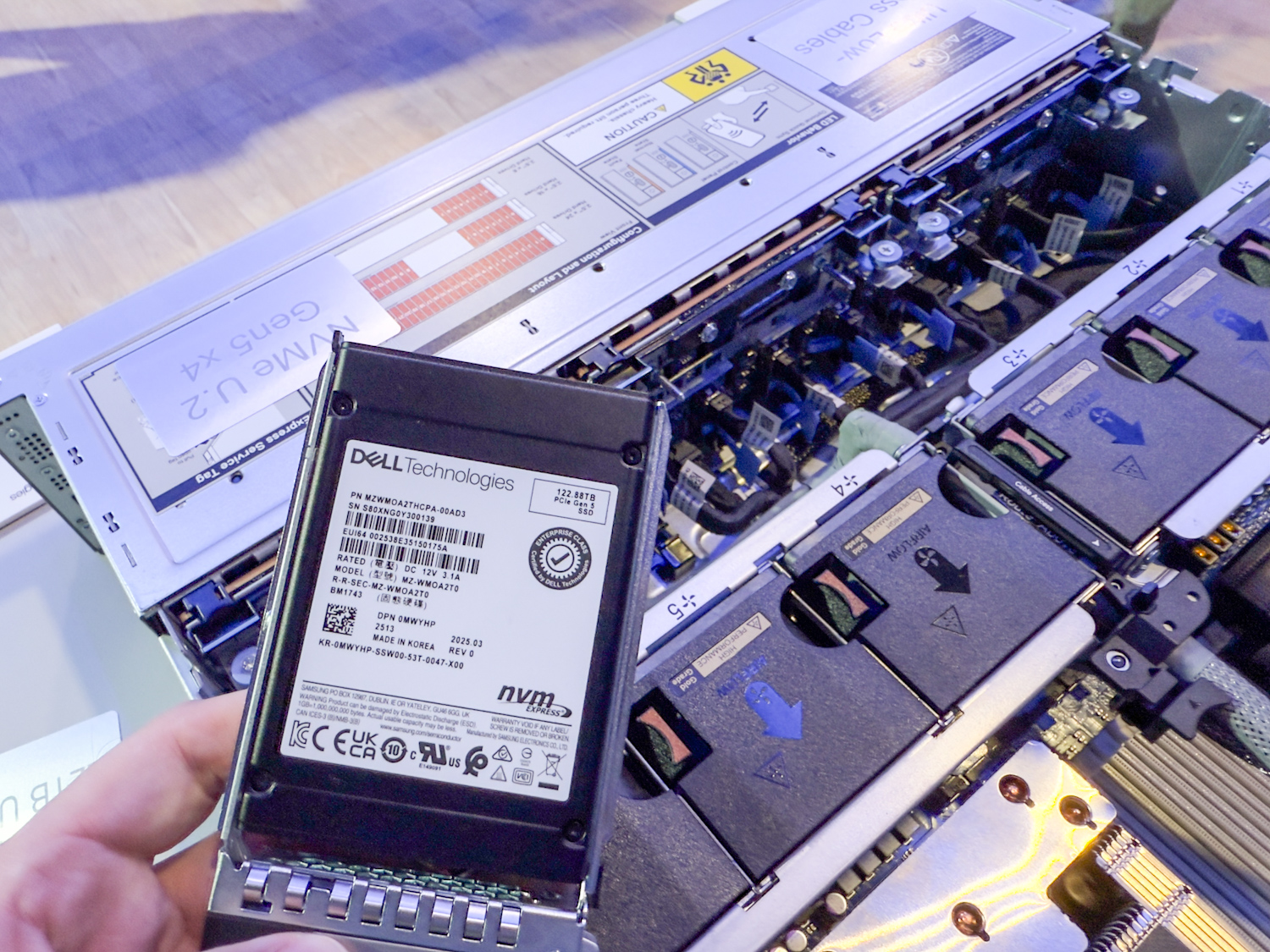
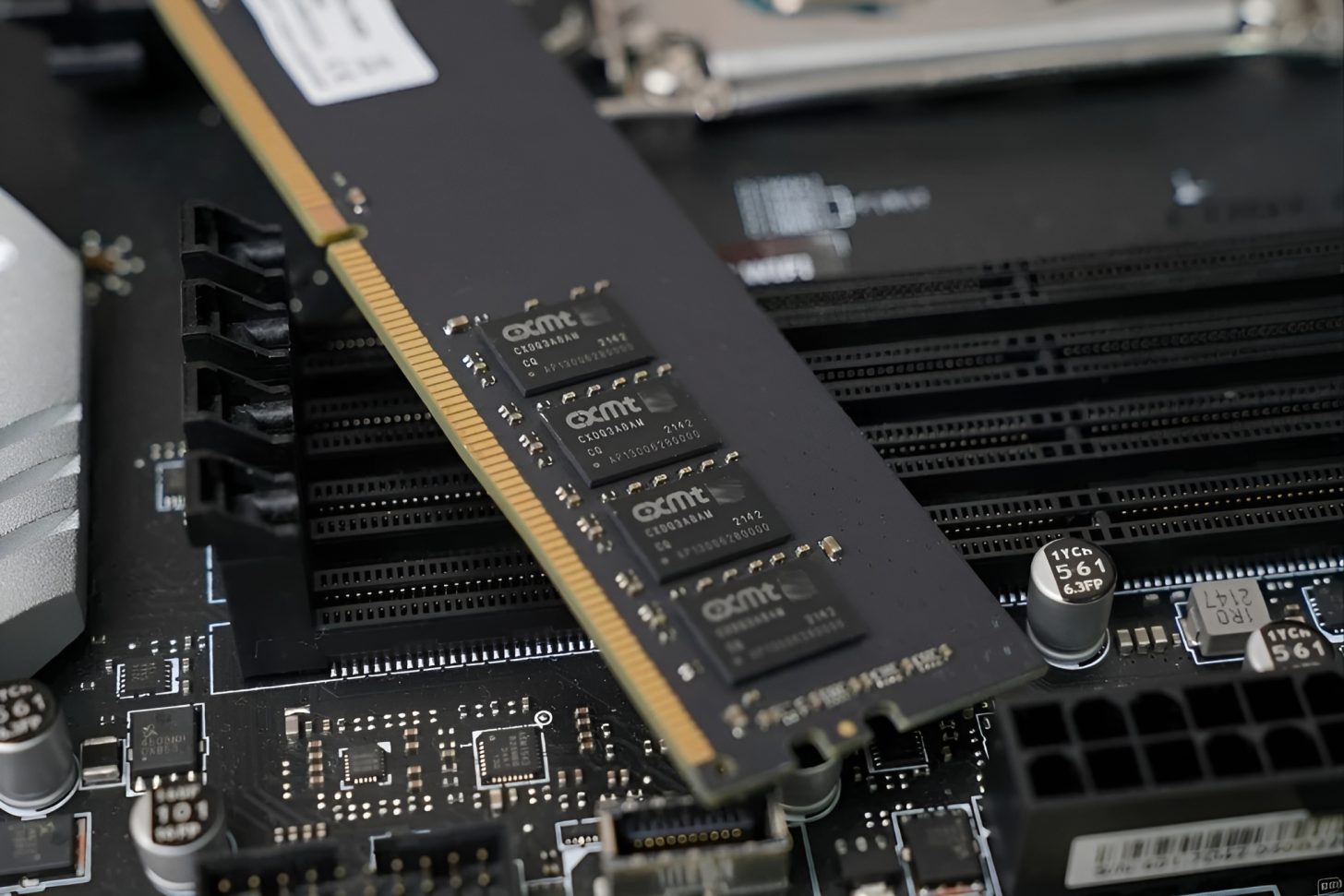
That’s the upside—here’s the catch: these systems require significant power and cooling, which can strain existing facility designs. A typical AI training job for semiconductor data might demand hundreds of terabytes of RAM and multiple petabytes of storage, pushing the limits of traditional data centers. For smaller fabs or startups, the cost barrier remains steep, though cloud-based solutions are starting to bridge that gap.
Looking Ahead
The race is on not just between chips but between the infrastructure that builds them. As AI models grow more complex and fabrication nodes shrink below 2 nanometers, the demand for compute will only accelerate. The question isn’t whether this trend will continue—it’s how quickly the industry can adapt without leaving behind those who lack the resources to compete. For now, the early movers are setting a benchmark, but the real test lies in making these gains accessible across the board.