PlayStation users are getting their first glimpse into a future where frame generation technology—long a staple of PC gaming—could become part of the console ecosystem. While Sony’s system architect has confirmed that FSR (FidelityFX Super Resolution) Redstone, an advanced iteration of AMD’s frame generation tech, is on the horizon, it won’t arrive until at least next year.
This development marks a significant shift for PlayStation, which has historically relied on fixed-resolution rendering. Frame generation promises smoother visuals and higher performance by dynamically inserting extra frames between rendered ones, effectively boosting framerates without sacrificing image quality. However, the practical impact for users is still unclear, as Sony’s implementation may differ from what PC gamers have grown accustomed to.
What This Means for PlayStation Gamers
The introduction of FSR Redstone could reshape how PlayStation handles performance, particularly on hardware that may struggle with native 4K or high-refresh-rate gaming. Early benchmarks suggest AMD’s frame generation can deliver near-instantaneous upscaling and fluidity, but Sony’s approach will likely prioritize stability over raw performance gains.
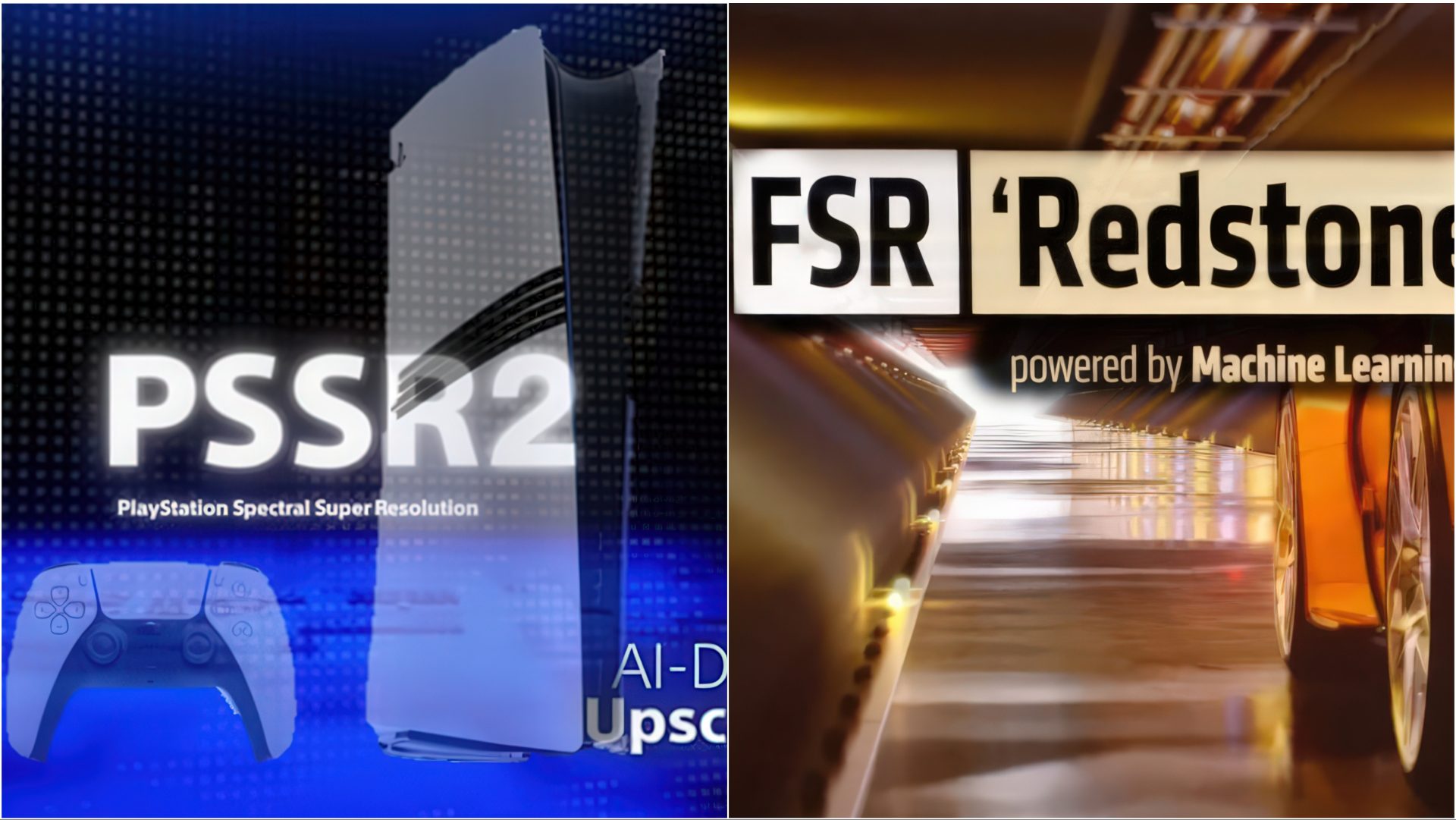
- Performance Boost: Frame generation could push PlayStation’s hardware beyond its current limits, potentially enabling smoother gameplay at higher resolutions or refresh rates without traditional performance sacrifices.
- Software Integration: Sony’s implementation will need to balance frame generation with its proprietary rendering pipeline, which may limit compatibility with third-party upscaling solutions.
That said, the technology isn’t without tradeoffs. Frame generation introduces latency and potential visual artifacts if not finely tuned, and PlayStation’s closed ecosystem means users won’t have as much control over settings compared to PC counterparts. Whether Sony can mitigate these issues remains an open question.
A Cautious Step Forward
For now, the focus is on refining the technology before it reaches consumers. While FSR 3 (FSR Redstone) has already been demonstrated on AMD GPUs, its integration into PlayStation’s architecture will require careful optimization to ensure compatibility with Sony’s existing games and hardware. The lack of a confirmed release timeline suggests this won’t be an overnight transformation.
The bigger question is whether frame generation will become a standard feature or remain a niche enhancement for high-end PlayStation models. If successful, it could set a new benchmark for console performance, but the path to widespread adoption is still uncertain.